A solar park is a large-scale installation that uses photovoltaic technology to convert solar energy into electrical energy. This type of installation plays a central role in sustainable energy generation and makes a significant contribution to the global energy transition. Solar parks consist of thousands or even millions of photovoltaic modules installed on open spaces in order to capture as much sunlight as possible and convert it into electricity. Anyone planning or operating a solar park often also has to request a transformer station or a compact station in order to efficiently feed the electricity generated into the power grid.
The size and design of a solar park depends on several factors, such as geographical location, solar radiation and available space. As a rule, solar parks are built on land that cannot be used for agriculture or other purposes, such as wasteland or disused industrial areas. The planning of a solar park also includes the selection and arrangement of the solar modules, the orientation and inclination in order to achieve the maximum yield, as well as the integration of the necessary infrastructure such as transformer stations or transfer stations.
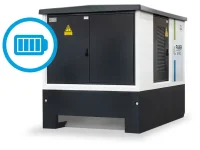
Transformer stations play a crucial role in efficiently feeding the electricity generated by the solar park into the public grid. In a solar park, the direct current generated is converted into alternating current by inverters and must then be brought to the correct voltage level via a transformer station. Anyone wishing to order a transformer station should consider the size of the solar park and the requirements of the electricity grid to ensure that the system can transmit the required electricity reliably and safely. In many cases, a transfer station is also required to transfer the electricity to the energy supplier's high-voltage grid.
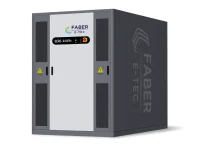
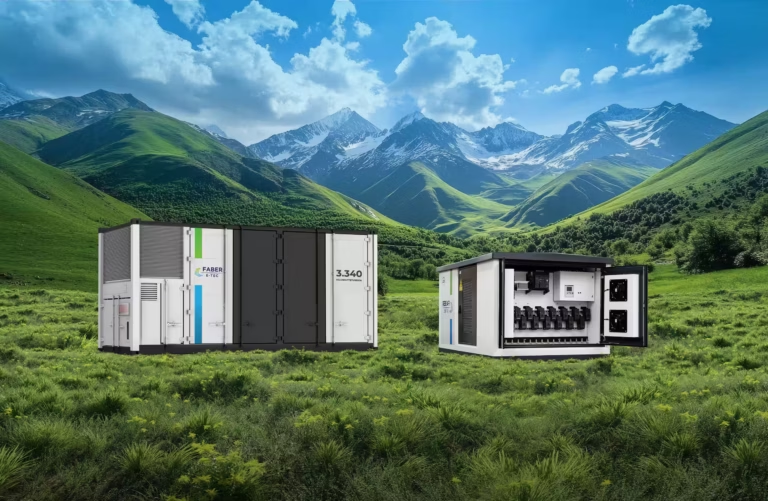
Compact stations are another important component in solar parks, especially for smaller systems or in remote regions. Requesting a compact station is often an ideal solution, as these stations are compact and efficient, yet offer all the necessary functions for converting and distributing the electricity. They are particularly useful when available space is limited or a flexible and mobile solution is required.
The advantages of a solar park lie in its environmentally friendly and sustainable energy generation. A solar park does not cause any direct CO₂ emissions and helps to reduce the need for fossil fuels. Operating costs are also relatively low, as solar modules have a long service life and require hardly any maintenance. Although the installation of solar parks requires an initial investment, the long-term benefits, such as reduced energy costs and a sustainable energy source, make them an attractive solution for the future of energy supply.
Grid stability is an important aspect when planning and operating a solar park. As the generation of solar power depends on weather conditions and the time of day, it is important that the system is able to compensate for fluctuations in the grid. This is where modern switching technologies and intelligent grid management systems come into play, ensuring that the solar park interacts efficiently with the grid. Anyone wishing to order a transformer station or enquire about a compact station should ensure that the technology used meets the requirements of a changing grid and takes future developments in the energy supply into account.
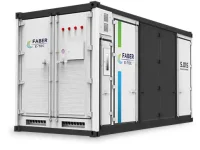
In addition to generating electricity, solar parks also offer the option of being combined with energy storage systems. These storage systems can store surplus solar power generated during sunny hours and feed it back into the grid when needed. This increases the flexibility and stability of the energy supply and reduces dependence on fossil fuels. Anyone planning a solar park could consider integrating a storage solution into the concept to further increase efficiency and profitability.
Overall, solar parks are a key technology for the future of sustainable energy generation. They offer an environmentally friendly alternative to traditional energy sources and help to reduce CO₂ emissions. Anyone wishing to build a solar park should carefully plan the right infrastructure, including transformer stations and compact stations, and ensure that the system meets the requirements of the electricity grid. With the right planning and technology, solar parks can play an important role in the transition to renewable energy and help to ensure a stable and sustainable energy supply.