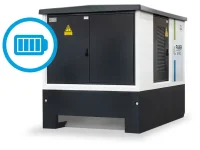
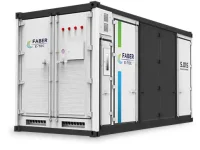
The term "standard-compliant" plays a decisive role in many industries, especially in the energy sector and in the installation of transformer stations, compact stations and transfer stations. Standardised systems comply with the applicable national and international standards and thus ensure the safety, efficiency and longevity of the energy infrastructure. Anyone wishing to order a transformer station or enquire about a compact station should ensure that these systems are planned and built in accordance with standards in order to guarantee smooth and safe operation.
Standardised transformer stations, also known as transformer substations, are subject to strict specifications that ensure that they work reliably and also meet the highest safety standards. These standards not only regulate the technical specifications of the systems, but also their installation and maintenance. Particularly in such a sensitive area as energy supply, it is essential that the systems are brought up to the latest state of the art and regularly inspected. Anyone wishing to order a transformer station should therefore ensure that the manufacturer and installer comply with all relevant standards in order to guarantee long-term safety and efficiency.
Compact substations must also comply with standards in order to meet the requirements of modern energy supply networks. These more compact versions of transformer stations are a particularly popular choice in urban areas or where space is limited. Requesting a compact station means looking for a solution that is both space-saving and efficient. Standardised compact stations offer the certainty that they meet the highest standards both technically and in terms of safe operation. This applies not only to the mechanical components, but also to the electrical circuits and protective devices.
Standards also play an important role in the planning and installation of transfer stations. Transfer stations are nodes in energy distribution where electricity is transferred from the energy supplier's grid to a consumer's local grid. Transfer stations installed in accordance with standards ensure that this transition runs smoothly and safely. Here too, anyone having a transformer station or transfer station installed should ensure that all relevant standards and guidelines are complied with in order to avoid problems later on.
Transformers and transformer stations that are manufactured and installed in accordance with standards not only ensure the safety of the energy supply, but also contribute to cost efficiency. A standardised system is designed to function over long periods of time without major failures, which reduces operating costs and makes the investment profitable in the long term. Anyone wishing to order a transformer station or enquire about a compact station should therefore always ensure compliance with the applicable standards and regulations in order to protect themselves against potential risks.
Another advantage of standardised systems is their compatibility with future technologies. In a constantly evolving energy market, it is important that transformer stations, transformer substations and compact stations are designed in such a way that they are compatible with new developments. This may, for example, relate to the connection to smart grids or the integration of renewable energy sources such as photovoltaic systems. Standardised systems offer the necessary flexibility to meet the requirements of the future.
In conclusion, it can be said that standardised transformer stations and compact stations not only guarantee safety and efficiency, but also enable a sustainable and future-proof energy supply. Anyone wishing to order a transformer station or enquire about a compact station should therefore always ensure that these systems are manufactured and installed in accordance with the latest standards in order to guarantee the highest quality and safety.