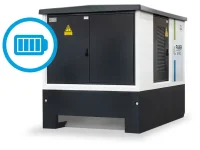
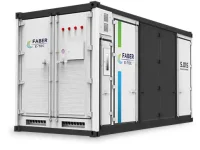
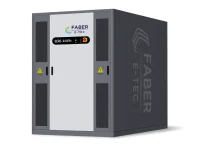
Reliable for solar parks of any size.
Compatible with all German medium-voltage networks, arc fault certified for nationwide use.
Faster implementation thanks to in-house production and semi-automated planning process.
Customised configuration of transformer power, voltage levels and balance circuits according to project requirements.
Transformer compact station Rhineland-Palatinate for resilient grids and predictable output
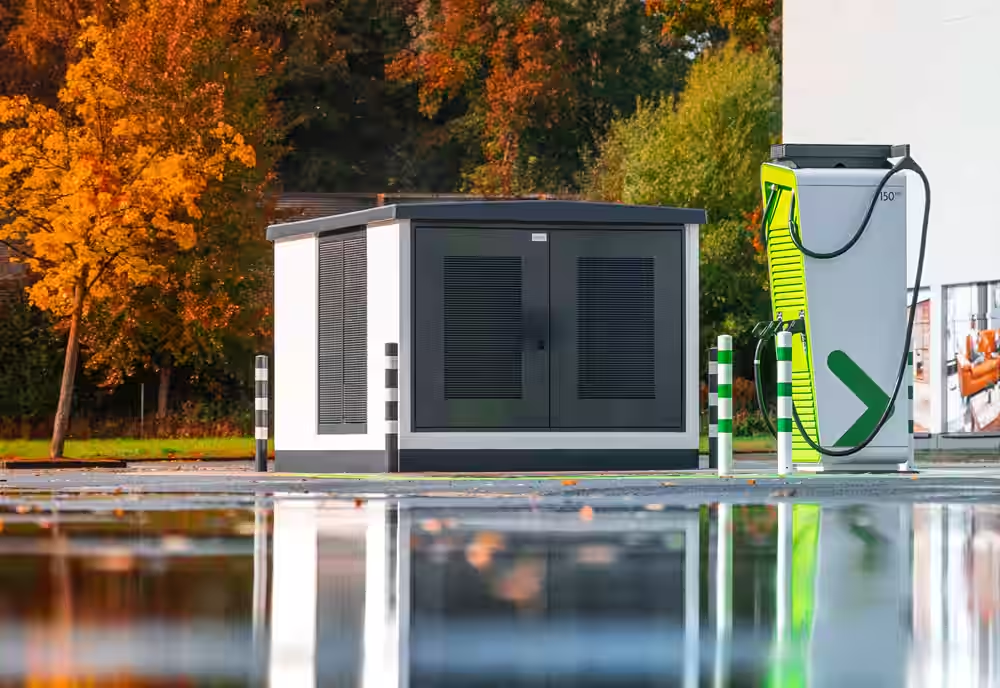
- Transformer compact station Rhineland-Palatinate designed precisely for the project according to connected load and expansion target
- Compact design with clear protection and switching structure
- End-to-end project management with Faber E-Tec
- Made in Germany - standard-compliant & future-proof
One Transformer compact station Rhineland-Palatinate is the central technical interface between the grid connection and stable operation. It determines how reliably power is available, how cleanly loads are distributed and how well a site is prepared for later expansions. This is precisely why the station should not only be designed for the first construction phase, but also for real operation over many years.
Very different requirements come together in Rhineland-Palatinate. Trade, industry, municipal infrastructure, charging infrastructure and energy projects each need a suitable technical line. A well-structured Medium-voltage station Rhineland-Palatinate creates order here because the switching concept, protection technology and documentation are considered together from the outset.
Faber E-Tec clearly positions itself on its own website as a provider of transformer stations and medium voltage. At the same time, product areas such as Compact station, Solar park station and E-mobility and services such as Building, Planning and Logistics visibly constructed. This is ideal for projects where not just one station is to be supplied, but a resilient overall solution is to be implemented.
Space-saving installation and yet service-friendly design
With a Compact station Rhineland-Palatinate it is not enough if the system only needs a small area. What counts in everyday life is whether components are easily accessible, whether switch panels are logically arranged and whether maintenance is possible without unnecessary downtime. It is precisely these points that will later make the difference between a pure connection solution and a station that provides real support during operation.
If the internal structure is organised properly, inspections and service calls can be carried out much more efficiently. Operators can maintain an overview more quickly and technical adjustments can be implemented in an organised manner. This is particularly important when a site grows in several stages.
Working with a clear line from design to commissioning
Many problems are not caused by the station itself, but by unclear coordination in the project. Grid operator requirements, load data, measurement concept and scheduling must be brought together at an early stage. Good planning for a Transformer station Rhineland-Palatinate therefore defines responsibilities and technical checkpoints at an early stage.
This makes decisions more resilient and reduces queries later on. The benefits are tangible: less friction during implementation, cleaner handovers and a better basis for the start of continuous operation.

for the safe mounting and operation of transformer and switching technology.
One Transfer station Rhineland-Palatinate must not only function properly during commissioning. The decisive factor is how it behaves in everyday life. Load changes, maintenance windows, malfunctions and subsequent performance expansions are all part of everyday life. The station should therefore be planned in such a way that it remains technically comprehensible and expansions are possible without a complete rebuild.
Clear protection coordination, a comprehensible field structure and well-maintained documentation are important here. If this basis is right, service calls can be prepared more quickly and technical decisions in the portfolio can be made more easily. A one-off investment then becomes a sustainable infrastructure.
Reliable in continuous operation.
Designed for outdoor use
Customisable to project requirements.
For industry and infrastructure.
Stable and powerful.
Simply by crane.
Space-saving and efficient.
Arc fault certified for use throughout Germany.
We take over the engineering and obtain approval from the responsible energy supply company
Areas of application for transformer compact stations in Rhineland-Palatinate with real practical benefits

Solar parks & ground-mounted PV systems

Charging infrastructure & electromobility

Battery Energy Storage Systems

Energy supply & municipal utilities

Agriculture & Agri-PV
Powerful solutions for agri-PV systems throughout Germany.

Industry & Trade
Compact stations for Rhineland-Palatinate with flexible design and clear grid compatibility
On the compact station page Faber E-Tec its own solution as a flexible transfer and transformer station for different types of projects, from feed-in systems to supply and mixing systems. The company also provides key technical data such as up to 2.500 kVA transformer power and the transformation of 400 to 800 volts up to 24 kV medium voltage. In addition, TAB and VDE-compliant design, EVU approval support and compatibility with German medium-voltage grids are emphasised.
This is a strong basis for projects in Rhineland-Palatinate because many locations have different load profiles and expansion stages. A clean design with reserves saves conversion work later on and keeps operations quieter.

Connecting e-mobility in Rhineland-Palatinate technically in such a way that performance can grow with it
In the area E-mobility the biggest challenge is rarely just the initial state. The decisive factor is how load profiles will develop over the next few years. One Transformer compact station Rhineland-Palatinate should therefore be designed in such a way that real simultaneities are taken into account and later extensions do not break the entire structure.
That Faber E-Tec e-mobility as a separate product area, while at the same time strongly positioning medium-voltage and transformer station issues, fits in perfectly with this need. This is important for charging projects because the grid connection, protection technology and expansion path are closely linked.

Solar park stations for Rhineland-Palatinate with clean feed-in technology and clear operating logic
The requirements for protection, handover and operation are particularly high for solar projects. Faber E-Tec describes a specially developed, purely solar park-internal station in Germany on the solar park station page. Among other things, it describes the design for IT systems, an insulation monitoring device and a 3150 kVA Transformer with newly designed low-voltage side.
This is relevant for projects in Rhineland-Palatinate if feed-in is to be planned in a stable manner and subsequent operation is to be managed in a technically clean manner. Clear station logic is a real advantage, especially for PV-related applications.
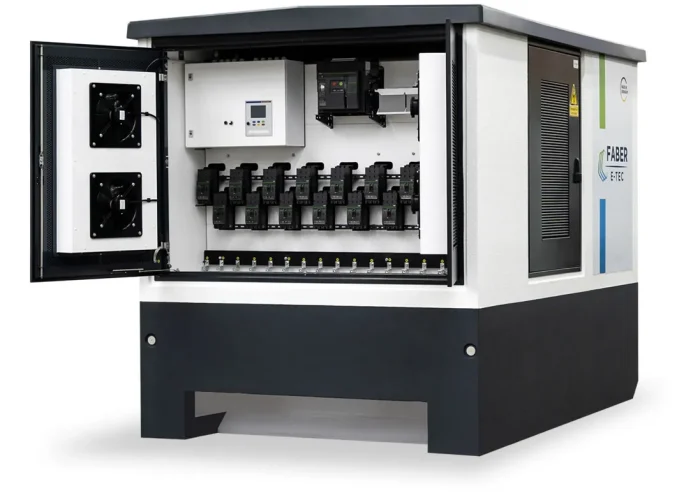
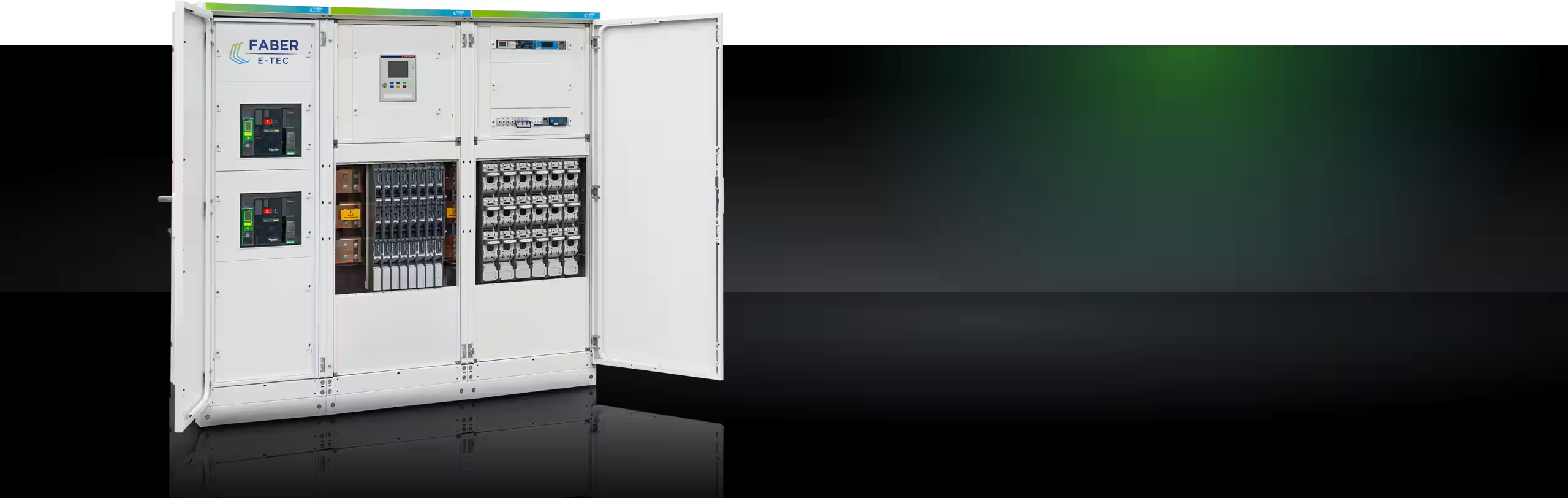
for safe and reliable power distribution in electrical installations.
EPC solutions in Rhineland-Palatinate with fewer interfaces and more project peace of mind
For more complex projects, a consistent process offers a clear advantage. If engineering, procurement, construction and commissioning run along a standardised technical line, the risk of coordination errors is significantly reduced. In medium-voltage projects, this is often the point that determines the quality of deadlines and rework.
The Faber E-Tec website lists services such as Building, Planning and Logistics clearly visible. This supports a structured project approach in which technical and organisational steps are clearly interlinked. For a Transformer compact station Rhineland-Palatinate this means more predictability from start to handover.
Technical quality from Germany for demanding projects in Rhineland-Palatinate
With medium voltage, trust only counts if it is technically verifiable. Faber E-Tec emphasises the in-house production, a semi-automated planning process, TAB and VDE conformity and compatibility with German medium-voltage grids on the compact station page. The website also highlights the company's presence with locations in Frets and Dresden visibly named.
The topic Made in Germany is clearly communicated in connection with the solar park's internal station. This is relevant for operators in Rhineland-Palatinate because long-term operational safety depends not only on data sheets, but also on comprehensible technology and clear processes.
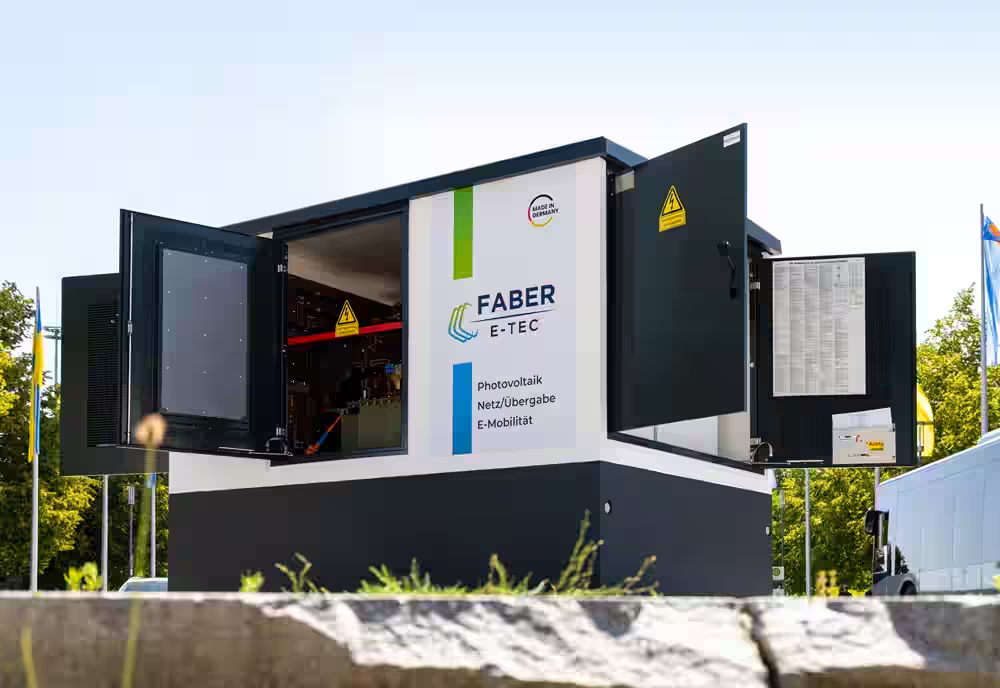
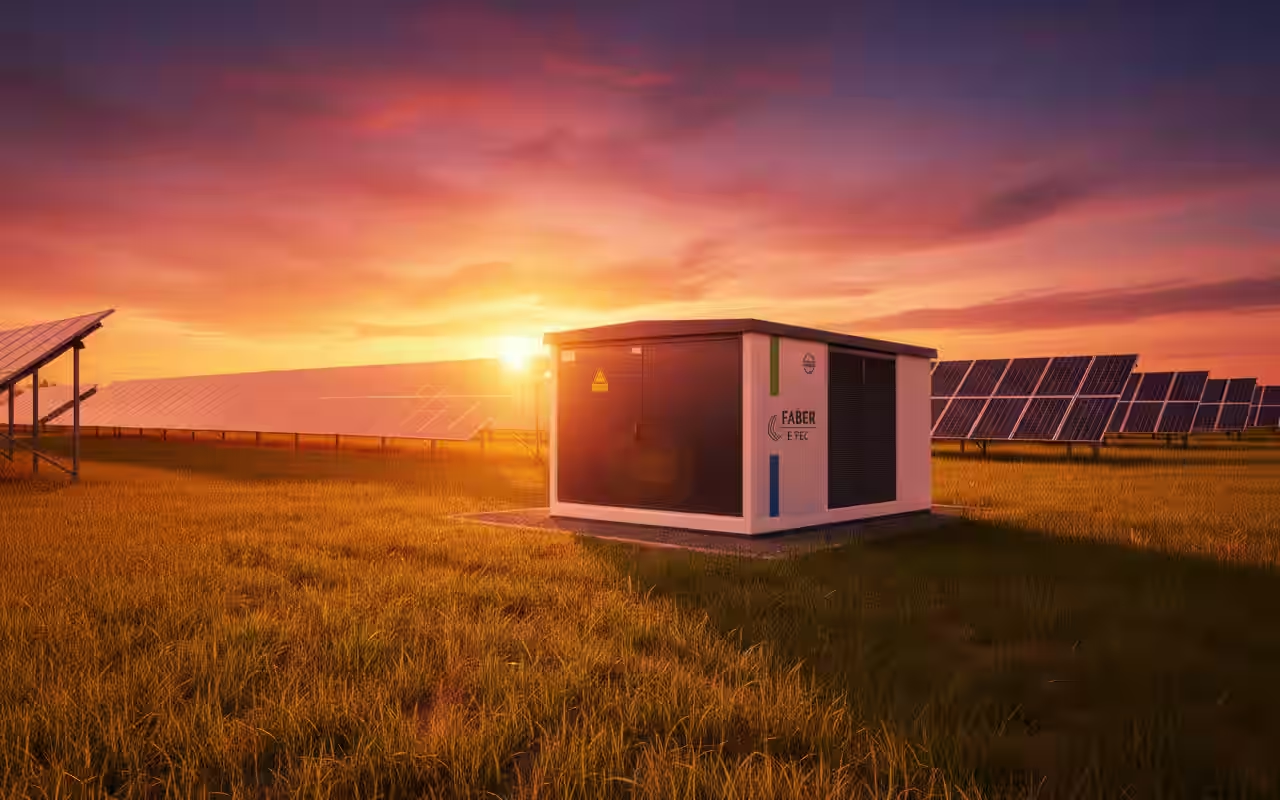
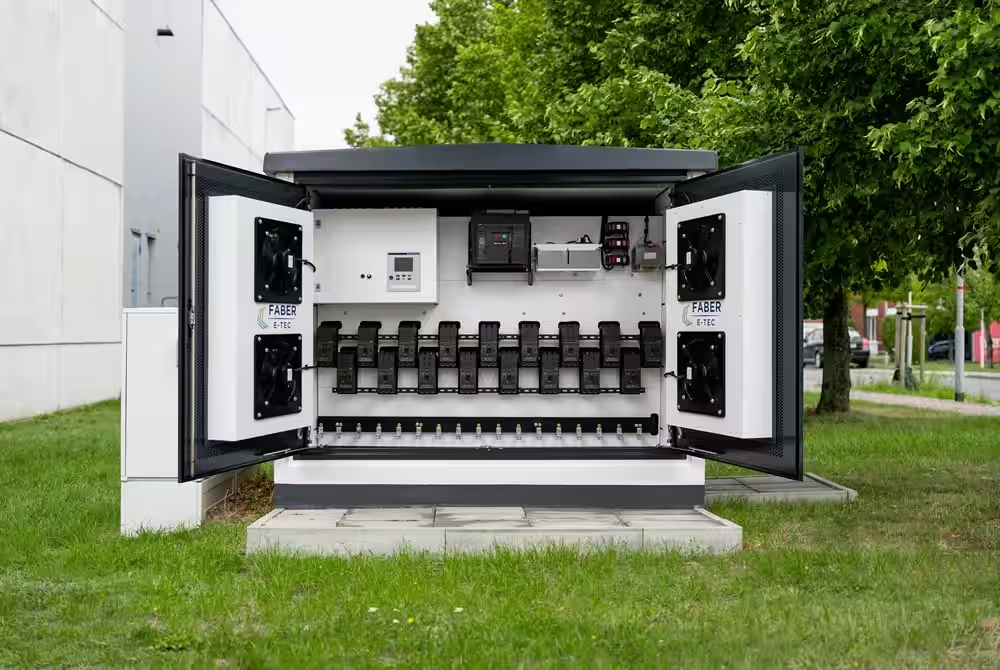
Request a transformer compact station Rhineland-Palatinate and set up the project start in a technically clean way
Whether a new grid connection, site expansion or modernisation: the most important leverage lies at the beginning of the project. If the connected load, load profile, area conditions and subsequent expansion targets are defined at an early stage, the Transformer compact station Rhineland-Palatinate can be planned much more precisely.
This reduces queries, saves detours in the coordination process and creates a solution that remains stable even when capacity utilisation increases. This early technical clarity is a great advantage for deadlines and quality, especially in projects with multiple participants.
Compact station Request a quote
"*" indicates required fields
Order solar park station directly now
"*" indicates required fields
E-mobility made easy with us!
"*" indicates required fields
7200 KW Secure container offer
"*" indicates required fields
"*" indicates required fields
Frequently asked questions about the Trafo compact station Rhineland-Palatinate in project practice
When is back-up planning really worthwhile for a compact station?
A reserve is always worthwhile when a location can grow or loads have not yet been finalised. This does not automatically mean large overdimensioning, but a clean structure in switch panels, protection technology and connection logic. This makes subsequent expansions significantly more economical.
What role does the documentation play after commissioning?
Proper documentation is extremely important for maintenance and expansion. It helps to trace protection parameters, reliably assess switching statuses and prepare service calls in a targeted manner. Without good documentation, any change to the existing system is unnecessarily time-consuming.
How do you plan a compact transformer station for e-mobility without future bottlenecks?
A realistic assessment of load development is crucial. Charging projects often grow faster than planned. The station should therefore be designed in such a way that capacity expansions are technically possible and the rest of the infrastructure does not have to be adapted each time.
How do you avoid delays in the course of a project?
Ideally with early technical clarification of all interfaces. If grid operator requirements, load data, metering concept and scheduling logic are harmonised at an early stage, decisions can be made more quickly. This saves rework and ensures that the project runs more smoothly.