Background generated by AI
Dresden solar farm substation for stable feed-in and predictable medium voltage
- Solar park station Dresden precisely designed for feed-in, grid connection and subsequent expansion phases
- Compact design with clear protection and switching structure
- End-to-end project management with Faber E-Tec
- Made in Germany - standard-compliant & future-proof
One Solar park station Dresden is the technical core between PV generation and the public grid. At this point, it is decided whether feeding power in will function stably in the long term, whether protection functions will react properly in the event of a fault, and whether additional capacity can be integrated later without structural disruption. For operators, this is particularly relevant because the substation must not only be suitable for the start, but must also remain resilient during ongoing operation over years.
Many solar projects are not completed in a single step. Often, areas, feed-in capacities or technical requirements grow at different times. Exactly why a Medium-voltage substation Dresden not just be designed for the initial project status. The decisive factor is a clean technical architecture with a clear field structure, comprehensible protection technology and planning that anticipates expansion right from the start.
If this foundation is correct, it brings tangible benefits in everyday life. Maintenance can be prepared in a more structured way, service interventions become more efficient and subsequent adjustments run more in a controlled manner. As a result, a purely connecting solution becomes a stable infrastructure that reliably supports the site even during growth.
Solar park stations with a clean station layout instead of later bottlenecks
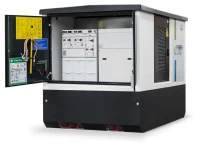
With a Solar park station Dresden it is not only performance that counts, but above all the internal arrangement of the substation. A clear switchgear layout, easily accessible components and a comprehensible protection structure make a significant difference during operation. Testing can be carried out more neatly, maintenance becomes more predictable and faults can be isolated more quickly.
This is particularly important for projects with expansion potential. Without reserve logic, the substation quickly becomes a bottleneck as soon as additional feed-in capacity is added. With a technically sound structure, subsequent capacity increments can be integrated much more effectively without having to completely redesign the medium-voltage side.
Relieve pressure on project workflows early through clear technical pre-structuring
Many delays do not occur at the station itself, but at unclear transitions between planning, assembly and commissioning. For a Solar park station Dresden it is therefore important to coordinate technical key data cleanly at an early stage. These include feed-in capacity, protection concept, substation layout and expansion targets.
If these points are clearly defined at the beginning, decisions become robust more quickly. Queries decrease, approvals run more systematically, and project progress remains easier to control. This not only improves schedule reliability, but also the quality of the subsequent operational phase.
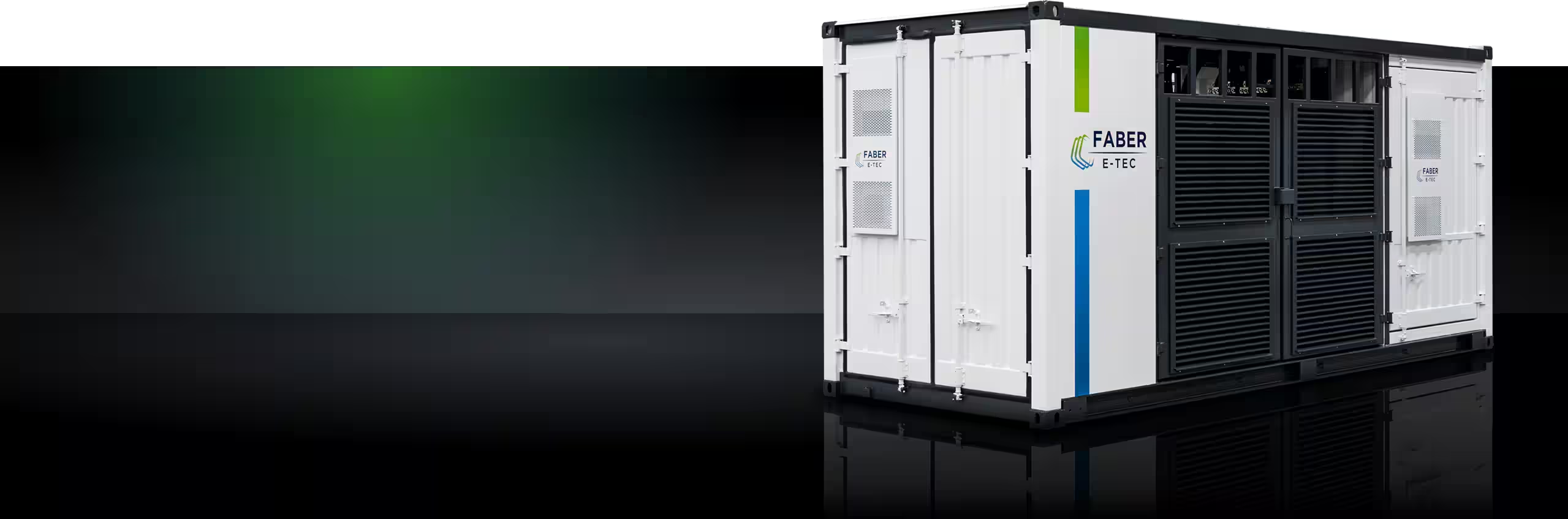
One Dresden transfer station In the solar sector, performance must be proven on a daily basis. During ongoing operation, what counts above all are stable processes, defined protective responses and a station structure that permits maintenance and technical adjustments without unnecessary interruptions. Therefore, service-friendly planning is not an extra, but a central quality factor.
This structure really pays off, especially for PV projects with multiple expansion phases. A cleanly planned Solar park station Dresden remains manageable even with increasing feed-in power and supports economically stable plant operation over the entire lifespan.
Reliable in continuous operation.
Designed for outdoor use
Customisable to project requirements.
For industry and infrastructure.
Stable and powerful.
Simply by crane.
Space-saving and efficient.
Faber E-Tec. Solar power station Dresden for stable feed-in and programmable medium voltage. Own production - transformer station manufacturer from Germany.
Solarpark Station Dresden | Faber E-Tec Medium Voltage
Application areas for solar park stations in Dresden with a focus on grid injection, load stability and scalable expansion


Compact substations as a flexible basis for mixed energy applications
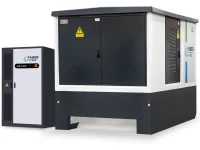
Not every site is purely a feed-in solution. PV generation, self-consumption and additional loads are frequently combined within a shared infrastructure. In such cases, a compact medium-voltage solution makes sense because it neatly bundles energy flows and keeps the technical structure transparent.
A compact substation solution brings advantages not just in terms of space and installation. It also helps during subsequent operation, because maintenance, servicing, and expansion remain easier to plan when the station is logically structured. This is particularly relevant at sites where load profiles change over time.

Technically integrating e-mobility and PV feed-in in Dresden cleanly
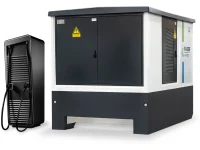
When E-mobility and PV generation come together at one location, the demands on medium-voltage planning increase significantly. Feed-in, charging power and peak loads act simultaneously on the substation structure. A properly designed Medium-voltage substation Dresden ensures that these energy flows are directed in a controlled manner and that expansions can be cleanly implemented at a later date.
This is particularly important because charging infrastructure often grows more dynamically than originally planned. Without a clear structure, bottlenecks in power design or unnecessary friction in operations quickly arise. With well-thought-out medium-voltage planning, however, the site remains flexible and technically stable.
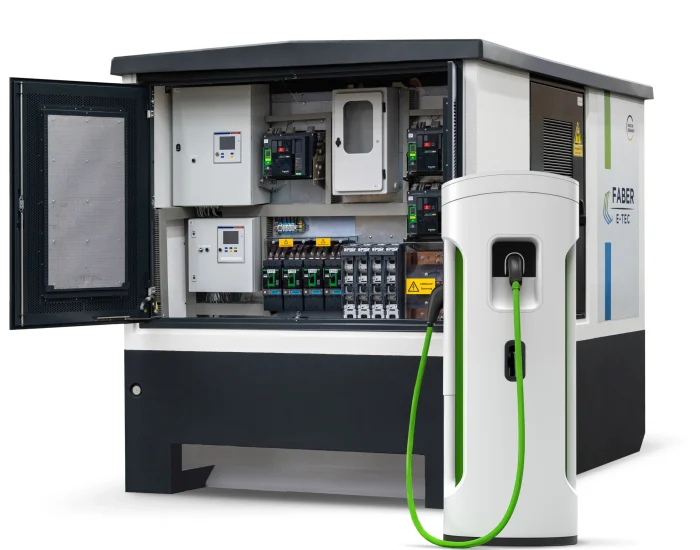
Solar park stations for Dresden with robust feed-in logic and a clear expansion path
One Solar park station Dresden should be designed so that the current feed-in capacity is maintained stably and future capacity increments can be seamlessly integrated. A well-thought-out medium-voltage structure with clear switching logic, appropriate protection coordination and good accessibility for servicing is crucial. This ensures that the system remains manageable even as the project grows.
In practice, problems often arise when a station has been optimised solely for the initial state. Subsequent expansions then lead to additional conversion effort, prolonged coordination and unnecessary complexity. A well-designed reserve structure prevents precisely that and creates a robust basis for the further development of the site.
For projects in Dresden this is particularly important when feed-in is expanded in stages. A clearly planned solar farm substation ensures that expansion phases remain technically orderly and ongoing operations are not unnecessarily burdened.
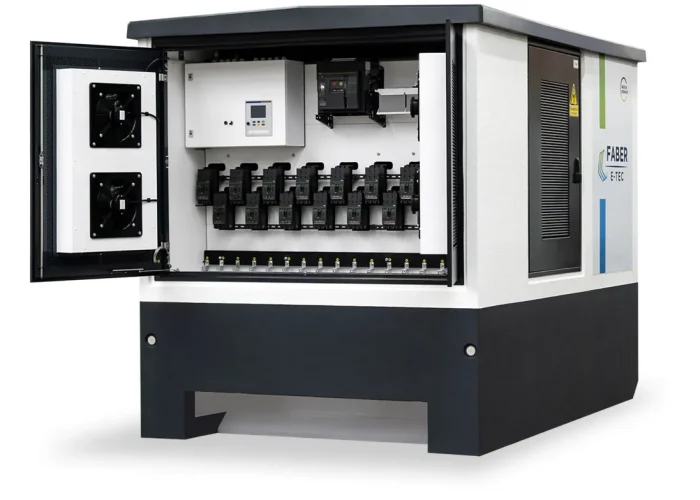
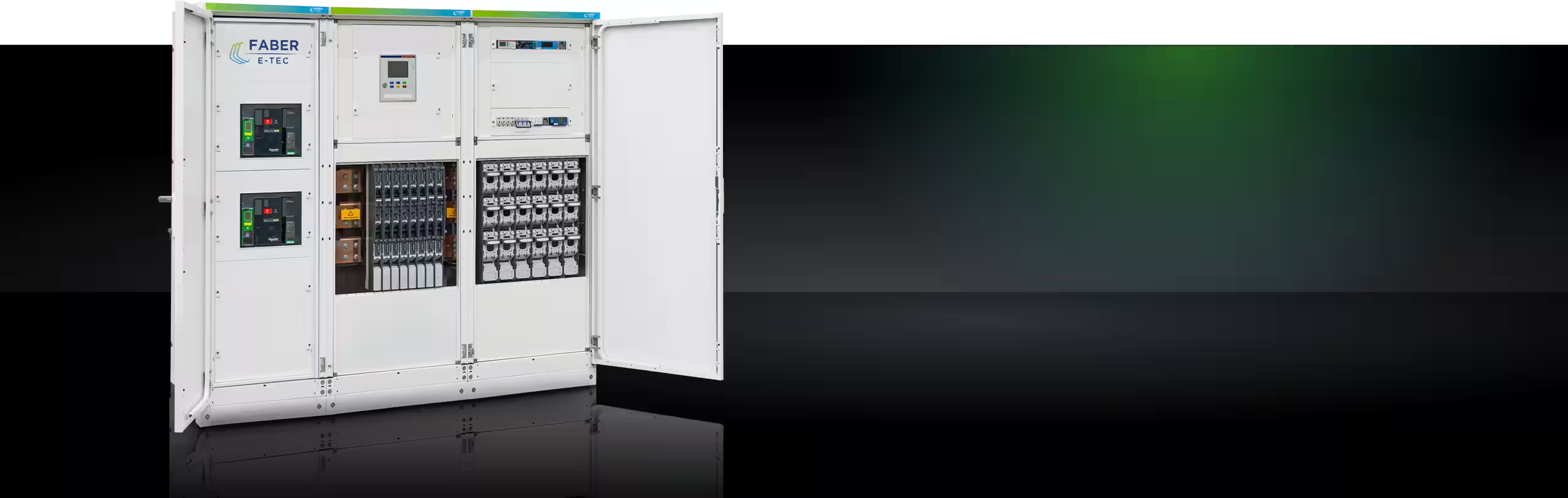
EPC solutions in Dresden with clear accountability and a seamless process
In medium-voltage solar projects, frictional losses often occur at the interfaces between planning, execution and commissioning. For a Solar park station Dresden this is why a structured project workflow is a major advantage. If technical decisions are agreed upon early on, the entire process becomes significantly more stable.
A clearly managed EPC approach ensures better coordination, cleaner sign-offs and a more orderly handover to operations. Responsibilities remain traceable and technical queries can be resolved earlier. This reduces the risk of delays shortly before project launch.
For operators, this creates greater scheduling reliability and better predictability. The station goes into operation with a clear structure and not with outstanding items that have to be reworked later in the existing asset.
Technical quality from Germany for reliable plant operation
In the medium-voltage sector, trust is built through technology that works day in, day out. A Solar park station Dresden must not only work on paper, but be traceable, accessible and permanently stable in operation. That is precisely why a clear station logic and clean implementation are crucial.
For operators, quality is demonstrated primarily in practice. If protection technology, switching structure and documentation are coherently designed, maintenance and modifications can be implemented much more controllably. This reduces downtime and improves the availability of the entire infrastructure.
With Faber E-Tec the primary focus is on technical excellence geared towards long-lasting solutions and a robust operational foundation. For sites in Dresden, this creates a reliable basis for grid injection, servicing and long-term expansion.
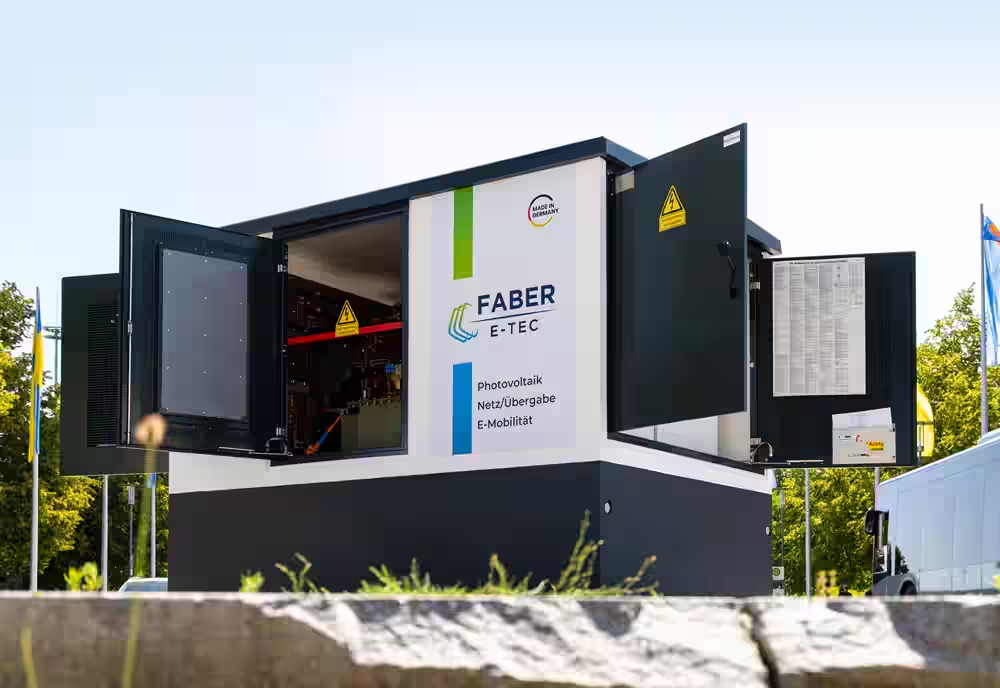
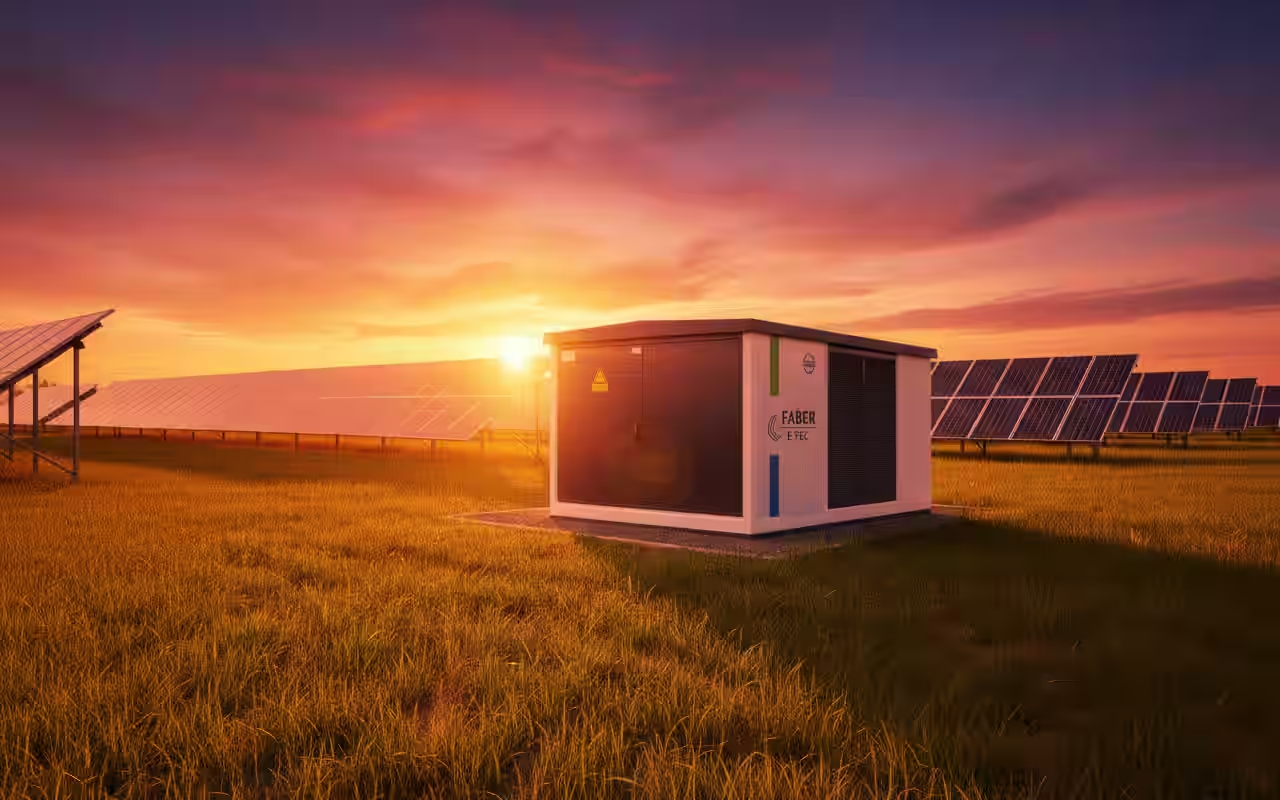
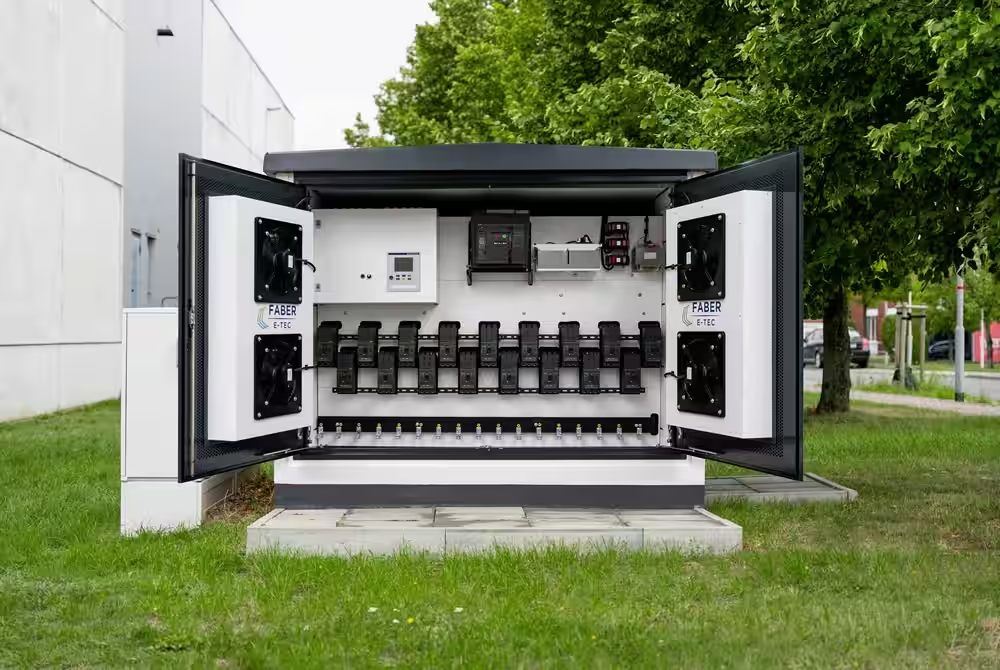
Enquire about the Dresden solar park station and set up the project in a structured manner
Whether new PV project, expansion of feed-in capacity or modernisation of an existing installation: a good start determines the subsequent operating quality. If capacity, area parameters, grid requirements and expansion targets are clear early on, the Solar park station Dresden be planned precisely.
This reduces alignment loops, saves rework and creates a solution that remains stable even during growth. Thorough preliminary planning ensures that technology, scheduling and future expansion work together from the start.
Capturing the technical fundamentals in a structured way early on not only creates a better project start, but also a significantly more resilient infrastructure for long-term operation.
"*" indicates required fields
"*" indicates required fields
"*" indicates required fields
"*" indicates required fields
"*" indicates required fields
Frequently asked questions about the Dresden solar park station
What role does the field layout play in a solar park transformer station?
The field layout determines how clearly arranged and expandable the substation remains during operation. A clear structure facilitates maintenance, testing and subsequent capacity upgrades, because technical relationships are more quickly recognisable.
How can a solar park substation be economically prepared for growth?
Not through unnecessary oversizing, but through targeted reserve in switching configuration, protection technology and connection design. This keeps the substation expandable without becoming unnecessarily complex or expensive in the initial state.
Why is protection coordination so important for PV feed-in?
Because it determines how the station reacts in the event of a fault and how selectively protective functions work. Proper protection coordination improves availability, reduces consequential risks and helps to localise faults more quickly. This is a key factor for smooth system operation.
What are the real benefits of good documentation during operation?
It saves time and increases safety. Maintenance, troubleshooting and subsequent adjustments can be implemented much more efficiently if the protection parameters, switching logic and station structure are clearly documented. This is a major advantage, especially for growing projects.