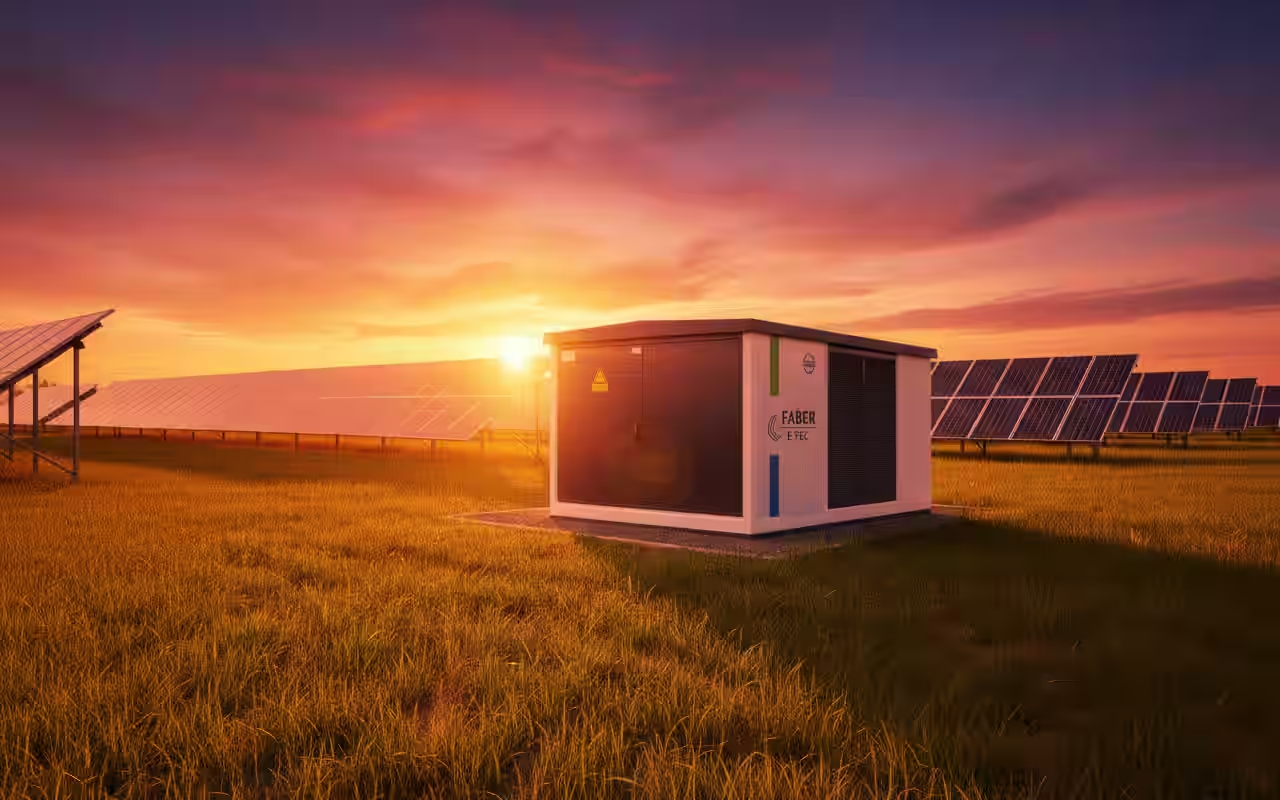
Background generated by AI
Passau solar park station - grid connection that remains stable even during expansion
- Passau solar park station cleanly designed for feed-in, grid connection and subsequent power steps
- Passau medium-voltage station with clear protection logic and sensible reserve in the station structure
- End-to-end project management with Faber E-Tec
- Made in Germany - standard-compliant & future-proof
One Passau solar park station is the technical node at which a PV project switches from „generation“ to „reliable feed-in“. This is precisely where it is decided whether the system will run smoothly later on or whether expansions and adjustments will repeatedly cause disruption to the energy infrastructure. In practice, hardly any site remains exactly as it was on the first day of operation.
PV projects grow, are supplemented, expanded in stages or combined with other components. If the medium voltage is then only designed for the initial state, every change becomes unnecessarily expensive: additional conversions, new coordination rounds, longer shutdown windows. That is why a Passau medium-voltage station not only be dimensioned, but also planned in a structured way - with a logic that does not „penalise“ later expansion, but rather makes it possible.
In everyday life, quality is particularly evident in the details: How clear is the switching structure? How easily accessible are components? How comprehensibly is the protection technology documented? If these points fit together, operation remains manageable. Maintenance can be planned, faults can be localised more quickly and expansions can be implemented step by step without having to re-sort the entire system every time.
Clear station layout: service wins, standstill loses
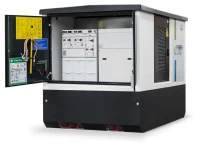
With a Passau solar park station the internal structure has a greater impact on subsequent operational reliability than many people initially think. A station can „work“ and still be expensive in everyday use - namely when maintenance is complicated, when accesses are poorly resolved or when the field structure does not allow for a clean expansion. A clearly organised layout ensures that tests are carried out in a structured manner, service calls can be prepared more quickly and faults do not become a search operation.
A deliberately planned reserve is particularly important for growing locations - not as a generalised oversizing, but as sensible leeway in the structure. In this way, additional service steps can be integrated without having to repeatedly break up the existing system. This saves time, lowers follow-up costs and reduces the risk of expansions unnecessarily burdening ongoing operations.
What counts in the end: A station should remain understandable for people. When operations, service and technical managers quickly grasp the logic, decisions are made more smoothly - and this is precisely what makes the location easier to plan.
Grid operator, protection, commissioning: if the chain is right, the project runs smoothly
Many project delays are not caused by a single component, but by transitions: Grid requirements, protection concept, station layout, measuring and transfer points, commissioning - everything is interlinked. For a Passau solar park station it is therefore crucial to establish a clear technical line for these topics at an early stage. The more clearly the key points are defined, the fewer corrections will be needed later on in the project.
Good preliminary clarification ensures that approvals are more reliable and queries are reduced. This stabilises deadlines - and improves the subsequent operating phase. After all, a station that has already been designed for real processes in the planning phase will require less „tweaking“ later on. Operators benefit twice over: through a smoother project start and through a medium-voltage basis that remains controllable in day-to-day operations.
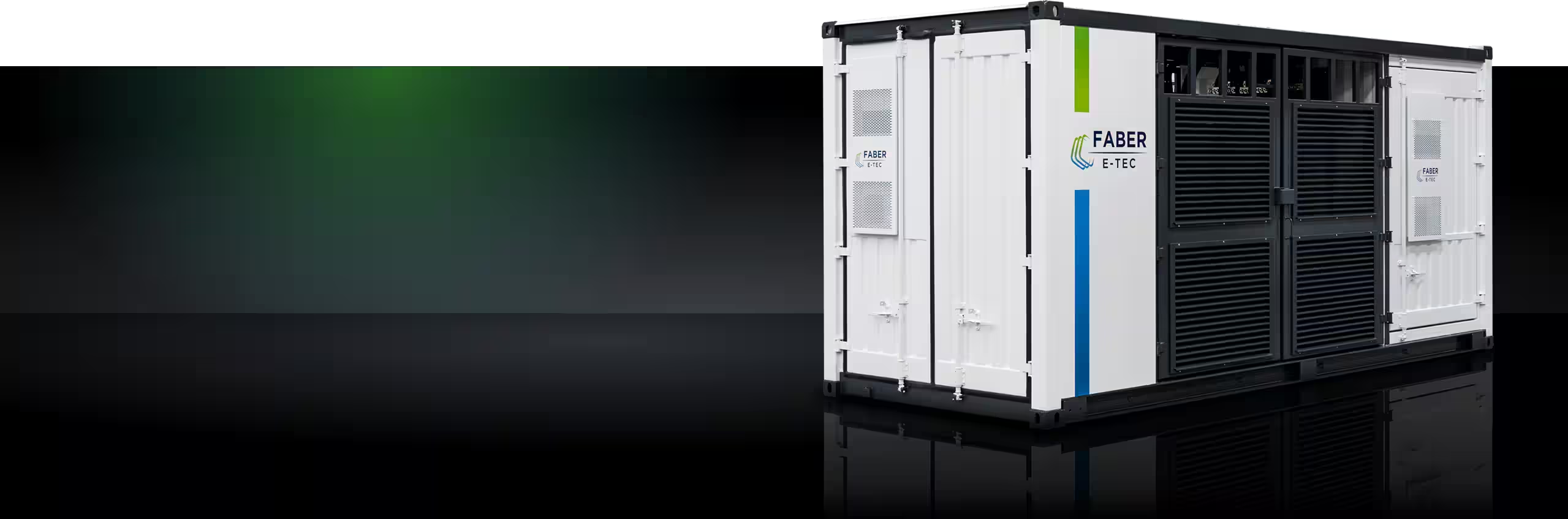
One Passau transfer station must not only be able to be commissioned cleanly, but also work reliably for years. During subsequent operation, load changes, maintenance intervals, inspections and technical adjustments are no exception, but part of reality. This is precisely why the station should be planned in such a way that interventions are possible without unnecessarily slowing down the site each time.
When protection technology, switching logic and documentation are harmonised, control is achieved. Maintenance work becomes easier to plan, service access is more secure and expansions can be implemented in stages. This reduces downtime risks and ensures that the energy infrastructure remains stable even if the site grows or utilisation changes.
In short: It is not the first connection that is the proof of quality - but the ability to run smoothly and still remain flexible.
Reliable in continuous operation.
Designed for outdoor use
Customisable to project requirements.
For industry and infrastructure.
Stable and powerful.
Simply by crane.
Space-saving and efficient.
Faber E-Tec. Solar power station Passau – grid connection that remains stable even during expansion. Own production - power substation manufacturer from Germany.
Solar park station Passau | Medium voltage from Faber E-Tec
Fields of application for solar park stations in Passau: feed-in, expansion, hybrid locations


Compact stations: When space is limited, the technology still has to remain „tidy“
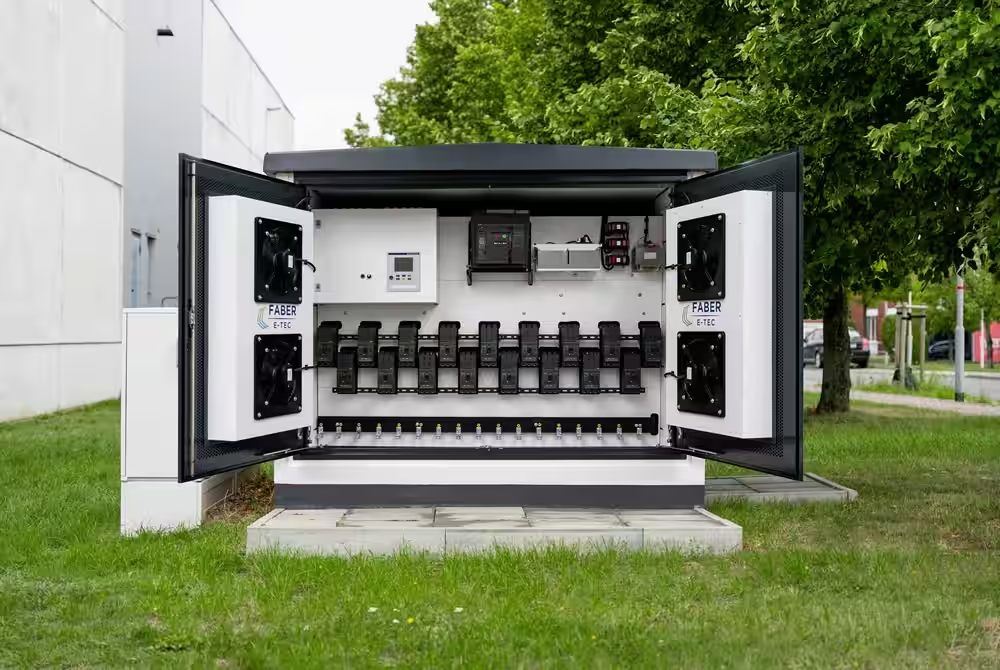
Compact does not automatically mean cramped in operation. A compact solution is strong if it remains service-friendly despite its small footprint: clear access points, comprehensible layout, clean cable routing, clear labelling. This keeps maintenance calculable and the station manageable.
Especially where PV generation and self-consumption or additional consumers come together, a compactly structured medium-voltage solution helps to organise energy flows. The aim is not to create a station that is as small as possible, but one that is functionally clear - and which will not be in conflict with operation later on.

PV + storage + e-mobility: more components, but a common logic
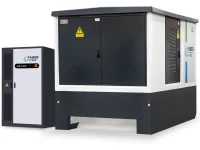
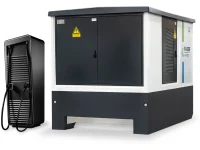
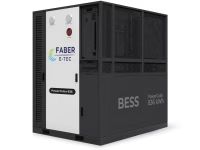
As soon as E-mobility or storage solutions play a role on site, the demands on the medium-voltage side increase noticeably. Feed-in, charging power and load peaks must be properly coordinated from a technical perspective. It is crucial that this does not result in an „assembled“ structure, but rather a common station logic that sensibly maps separation and interaction.
If these issues are considered as part of an overall picture at an early stage, conflicts of objectives in power design and protection technology are minimised. Operators gain an overview and expansions can be integrated in stages without having to reorganise the entire medium voltage each time.
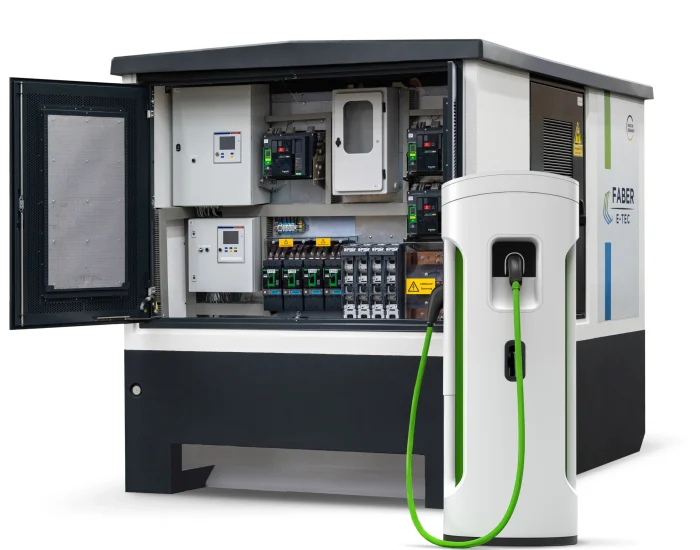
Cleanly bundle the feed-in and do not start again later
One Passau solar park station should safely manage feed-in power and be structured in such a way that later expansions can be logically connected. This is possible if the station is not only designed for „today“, but also considers a realistic expansion path. A clear field structure, a comprehensible protection concept and a clean documentation line make the difference: expansions become plannable, not risky.
If this logic is not included in the planning, typical problems arise later on: additional conversions in existing buildings, new coordination, unclear responsibilities and unnecessary downtime windows. With a well thought-out structural reserve, on the other hand, capacity can be added in clear steps without having to reorganise the existing building each time it is extended.
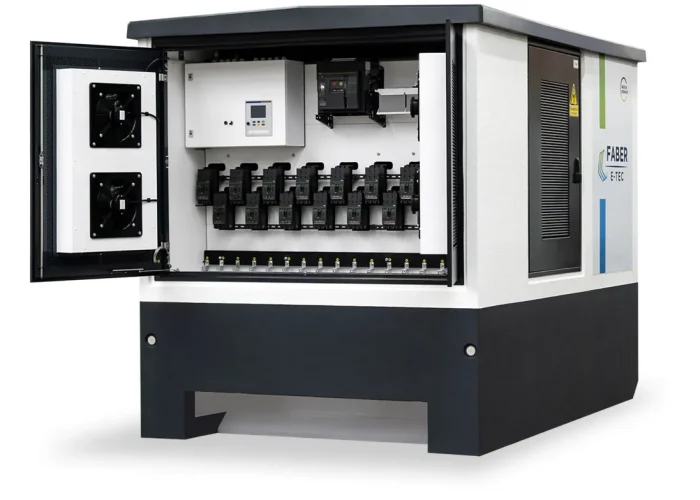
EPC solutions in Passau: A process that bundles responsibility
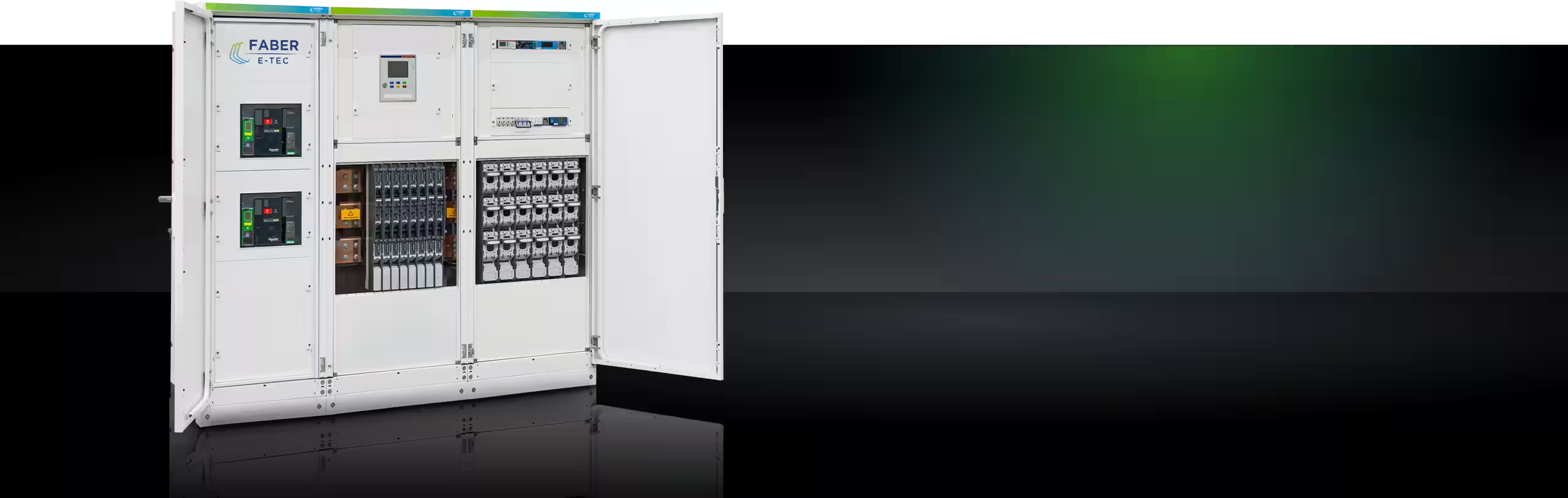
In medium-voltage projects, the greatest friction usually arises at interfaces. A well-managed EPC approach reduces precisely these disruptions because engineering, procurement, implementation and commissioning are coordinated in a clear line. This makes approvals easier to plan, test points cleaner and handovers to operation more resilient.
For a Passau solar park station This means less coordination chaos, less reworking of existing work and a project start that does not tip over into operation with unresolved issues.
Technical quality from Germany means: traceable, maintainable, permanently stable
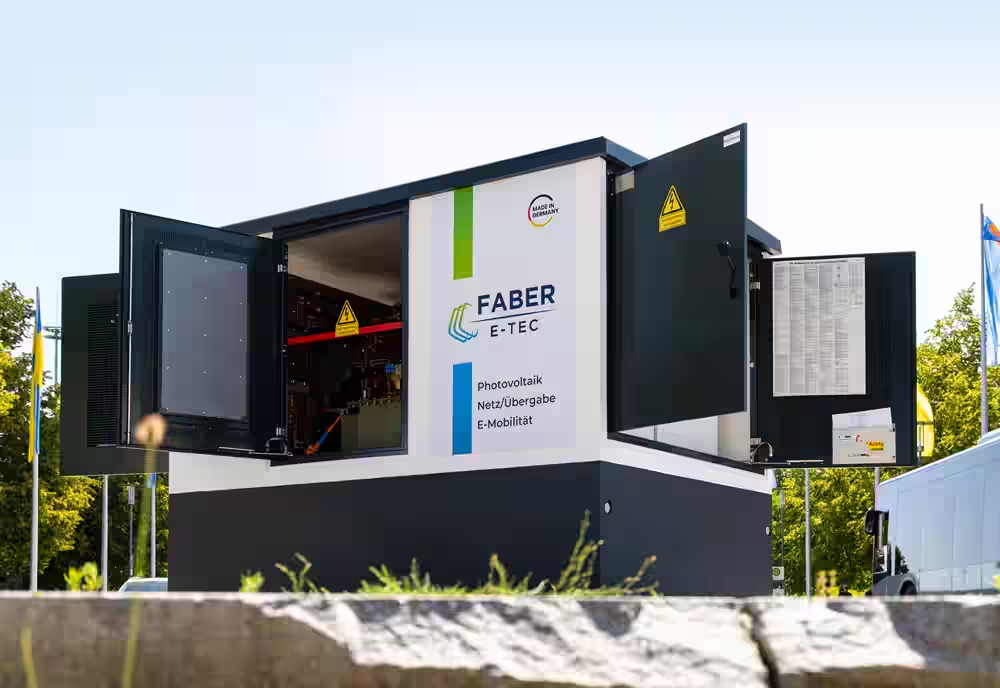
In the medium-voltage range, it is not the moment of delivery that counts, but practice over many years. One Passau solar park station must be easy to understand, remain quickly accessible for servicing and function stably in the event of expansions. This is exactly what is achieved through clear station logic, a clean protection structure and documentation that reflects reality.
For operators, this means less risk, faster response times in the event of a fault and an infrastructure that can be further developed without becoming unstable.
Enquire about the Passau solar park station: start clean, operate more quietly later
Smooth operation begins with a clean project start. If the feed-in power, installation area, grid requirements and expansion targets are clear at an early stage, the Passau solar park station can be planned precisely - with a structure that supports both maintenance and expansion.
This reduces the need for coordination, lowers downtime risks and creates a medium-voltage basis that will support the site in the long term.
"*" indicates required fields
"*" indicates required fields
"*" indicates required fields
"*" indicates required fields
"*" indicates required fields
Frequently asked questions about the Passau solar park station
What information is important for the initial planning of a solar park station?
The planned feed-in power, the available area, the desired voltage level and the planned expansion stage are important. In addition, information on the later development of the project helps to ensure that the station can be planned with a sensible reserve structure from the outset.
How can a solar park station remain technically manageable in the event of later expansion?
The decisive factor is a clear station logic instead of a pure initial design. If switch panels, protection technology and connection structure are properly prepared, additional power steps can be integrated in an organised manner. This keeps the system stable and makes subsequent conversions much easier.
Why is protection coordination so important for PV feed-in?
Because it determines how the station reacts in the event of a fault and how selectively protective functions work. Proper protection coordination improves availability, reduces consequential risks and helps to localise faults more quickly. This is a key factor for smooth system operation.
What are the real benefits of good documentation during operation?
It saves time and increases safety. Maintenance, troubleshooting and subsequent adjustments can be implemented much more efficiently if the protection parameters, switching logic and station structure are clearly documented. This is a major advantage, especially for growing projects.