Background generated by AI
Kaiserslautern Solar Park Station for stable feed-in and a medium voltage that makes expansion plannable
- Solar park station Kaiserslautern appropriately planned for grid connection, feed-in and later expansion stages
- Kaiserslautern medium-voltage substation with clear protection logic and sensible reserves in its station structure
- End-to-end project management with Faber E-Tec
- Made in Germany - standard-compliant & future-proof
One Kaiserslautern Solar Park This is the point where photovoltaic power transitions into reliable grid operation. Initially, it's crucial that the feed-in starts cleanly. Later, it becomes apparent whether the station is truly suitable for everyday use, specifically when power demand increases, additional areas are added, or the operating method changes. It is precisely here that the medium-voltage side determines whether the site remains stable or if every further step leads to interventions in the existing infrastructure.
Many projects don't grow in one go. They develop in stages. Additional inverters, further outputs, new requirements for protection and measurement often change the technical needs only after commissioning. Therefore, a Kaiserslautern Medium Voltage Substation not only dimensioned, but planned in a structured way. Field division, connection routing, protection technology and documentation must fit together so that maintenance and expansion do not become a special solution every time later on.
If the internal logic is sound, operations will become significantly simpler. Maintenance windows can be smoothly scheduled, service call-outs become more predictable, and faults can be pinpointed faster because the switching structure and protection concept remain comprehensible. This creates a medium-voltage foundation that will support the site long-term.
A station is good if it demands little attention during operation
With a Kaiserslautern Solar Park Quality isn't shown on the day of connection, but weeks and months later. Clear field logic, achievable components and a sensible arrangement of technology ensure that tests run in a structured manner and maintenance doesn't take unnecessarily long. Those who can quickly find their bearings in a service case reduce downtime and lower the risks involved in technical interventions.
This becomes particularly important during the expansion. Reserve doesn't mean building bigger across the board. Reserve means preparing the expansion path so that later steps can be technically connected without having to reopen the existing structure each time. If the field structure, connection routing, and protection logic are prepared for this, performance steps can be integrated in stages. This saves downtime, reduces follow-up costs, and keeps availability stable.
Organisational calm also arises. Operations, service and technical responsibility work together more efficiently when it's clear where reserves lie and what expansion is technically planned. It is precisely this clarity that makes later decisions quicker and more secure.
The sooner the technical roadmap is clear, the smoother the project will run.
Many delays don't arise from individual components, but from transitions. Network requirements, measurement concepts, protection parameters, station layouts, and commissioning must align early on. If this alignment only occurs late, it leads to follow-up questions, adjustments, and additional coordination loops that cost time and make the process turbulent.
For a Kaiserslautern Solar Park This is why a thorough initial assessment is worthwhile. This includes feed-in capacity, available space, realistic expansion stages, and the question of how extensions are to be connected later. If these fundamentals are clarified early on, approvals will be more robust and the project's progress will be more predictable. At the same time, the station does not start operation with outstanding issues, but with a structure that functions under practical conditions.
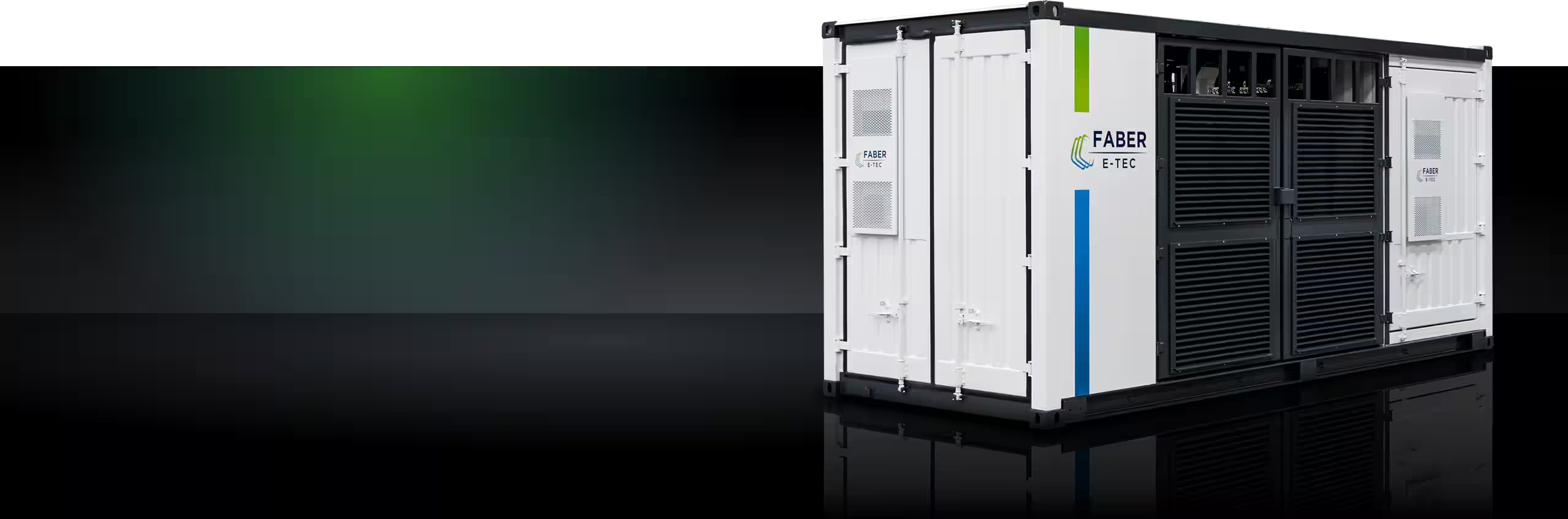
One Transfer Station Kaiserslautern must prove itself in operation. This includes maintenance intervals, inspections, load changes, and technical adjustments. A service-friendly design is therefore a prerequisite. Access points must be practical, components must remain accessible, and documentation must clearly explain the actual construction.
The difference is clearly shown, especially in projects with phased expansion. A well-planned Kaiserslautern Solar Park remains clear, even when more performance is added later. This turns a grid connection point into a robust infrastructure decision.
Reliable in continuous operation.
Designed for outdoor use
Customisable to project requirements.
For industry and infrastructure.
Stable and powerful.
Simply by crane.
Space-saving and efficient.
Faber E-Tec. Kaiserslautern solar power plant for stable feed-in and a medium voltage that makes expansion planable. Own production - transformer station manufacturer from Germany.
Kaiserslautern Solar Park | Faber E-Tec Medium Voltage
Application areas for solar parks in Kaiserslautern for feeding in, expansion, and combined use


Compact stations, when space is limited and the technology still needs to remain tidy
Compact solutions are robust when they remain logically structured despite limited space. Good accessibility, neat wiring, and clear labelling ensure that maintenance does not become complicated. For sites with little space, this is a real advantage because operation and servicing are not held back by confined or confusing layouts.
For mixed use, for example with self-consumption or additional consumers, a compactly structured medium-voltage solution helps to organise energy flows. The aim is to create a station that remains clearly organised and does not become a bottleneck during operation.

Coordinating photovoltaics, storage and e-mobility in a shared medium-voltage system
As soon as storage technology or E-mobility The dynamics change depending on the role played by the location. Feed-in, charging power and peak loads hit the medium-voltage side simultaneously. What is then crucial is a station logic that cleanly coordinates these requirements, instead of later haphazardly adding individual components to the existing infrastructure.
If these topics are considered as a total system from the outset, target conflicts in performance design and protection concepts are reduced. Extensions remain possible in stages, the station grows in a controlled manner and remains understandable. Operators gain an overview because new components fit into the same technical line.
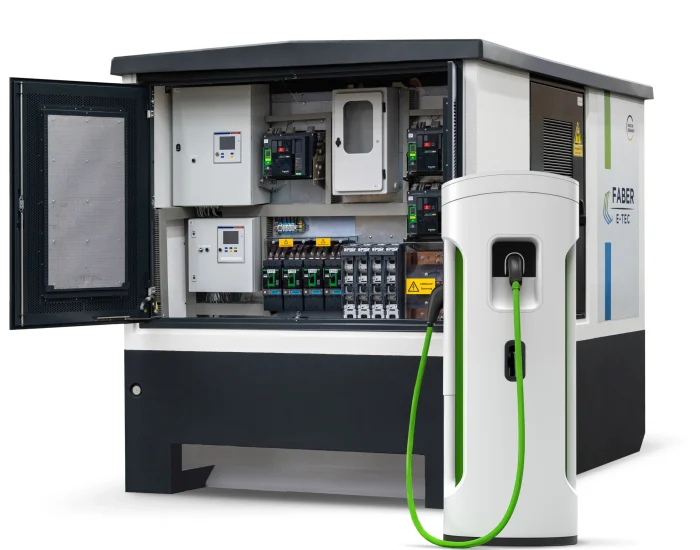
Solar power stations for Kaiserslautern with clear feed-in management and prepared expansion path
One Kaiserslautern Solar Park Feed-in should be stable and enable expansions without every adjustment becoming a renovation project. This is achieved with a field logic that remains understandable, a connection routing with clear expansion paths, and protection technology that does not just reflect the initial state. This keeps the station manageable in everyday operation and allows it to be smoothly developed further in expansion stages.
Without structure, typical follow-up costs arise. Additional performance then leads to modifications to existing systems, new adjustments, and unnecessary downtime. With a sensibly planned reserve in the station structure, performance upgrades can be orderly incorporated. Operators gain predictability and reduce risk.
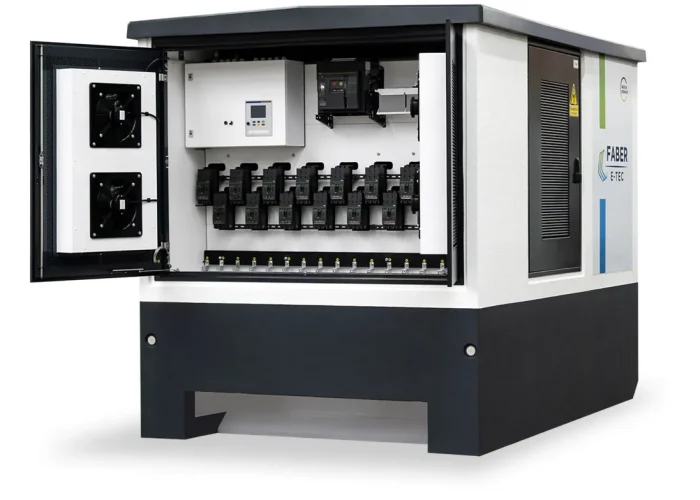
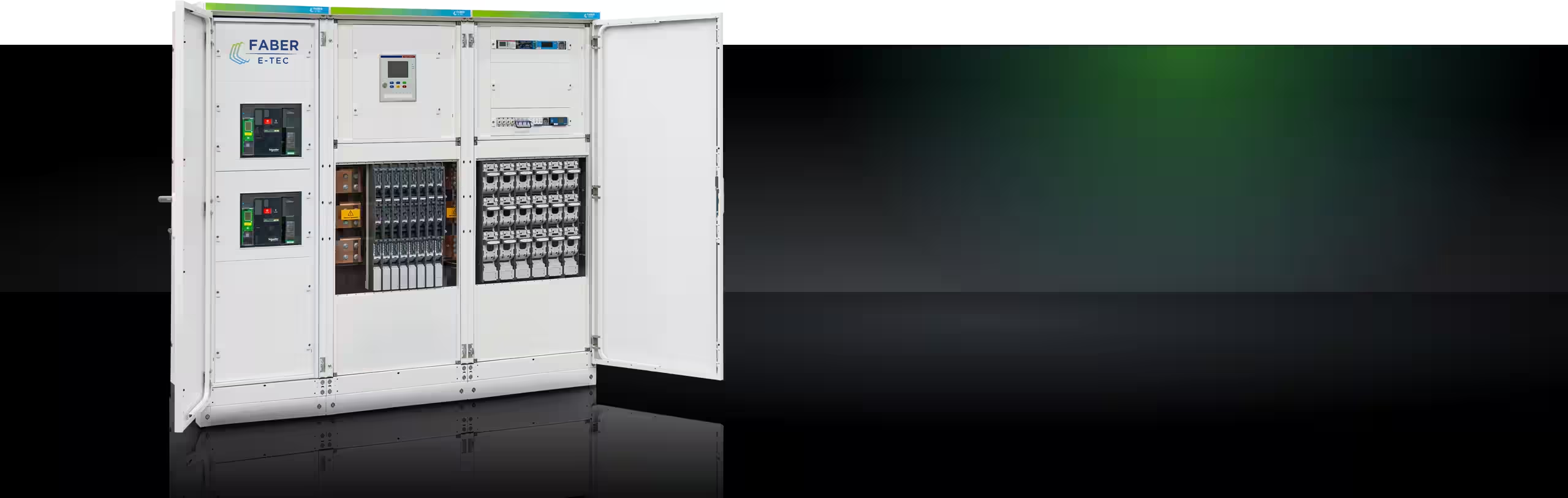
EPC solutions in Kaiserslautern with clear responsibility and clean handover
When engineering, procurement, implementation, and commissioning are managed in-line, interface risks are noticeably reduced. Decisions become more robust earlier, checkpoints clearer, and the project progress more stable. For a Kaiserslautern Solar Park This means less coordination work and a handover that does not burden the company with unresolved issues.
Especially with projects involving multiple stakeholders, clear process management ensures that technical decisions don't need to be constantly re-discussed. This saves time and ensures that the station goes into operation as planned.
Technical quality from Germany for long-term stable energy infrastructure
In the medium-voltage range, trust is based on suitability for everyday use. A Kaiserslautern Solar Park must be clearly structured, remain quickly accessible in the event of servicing and function stably in the event of expansions. A clear structure, clean protection logic and documents that reflect the reality of the station reduce risk and make operation easier to plan.
Ultimately, for operators, what counts is that the station remains manageable over the years. A clean structure in its build is crucial for precisely this reason, as it makes maintenance and expansion significantly more controllable.
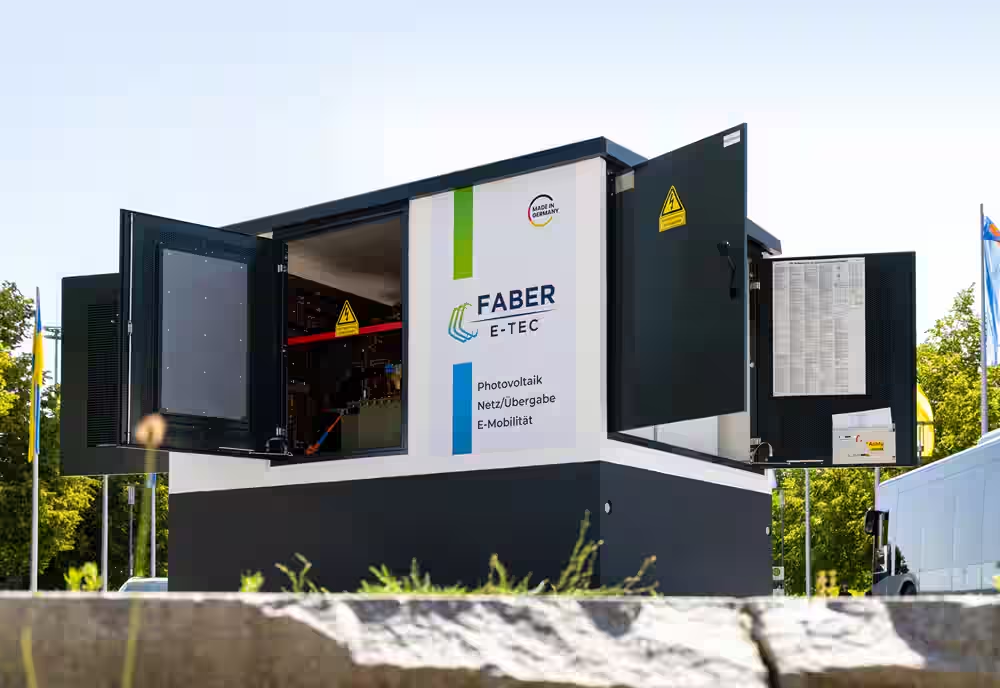
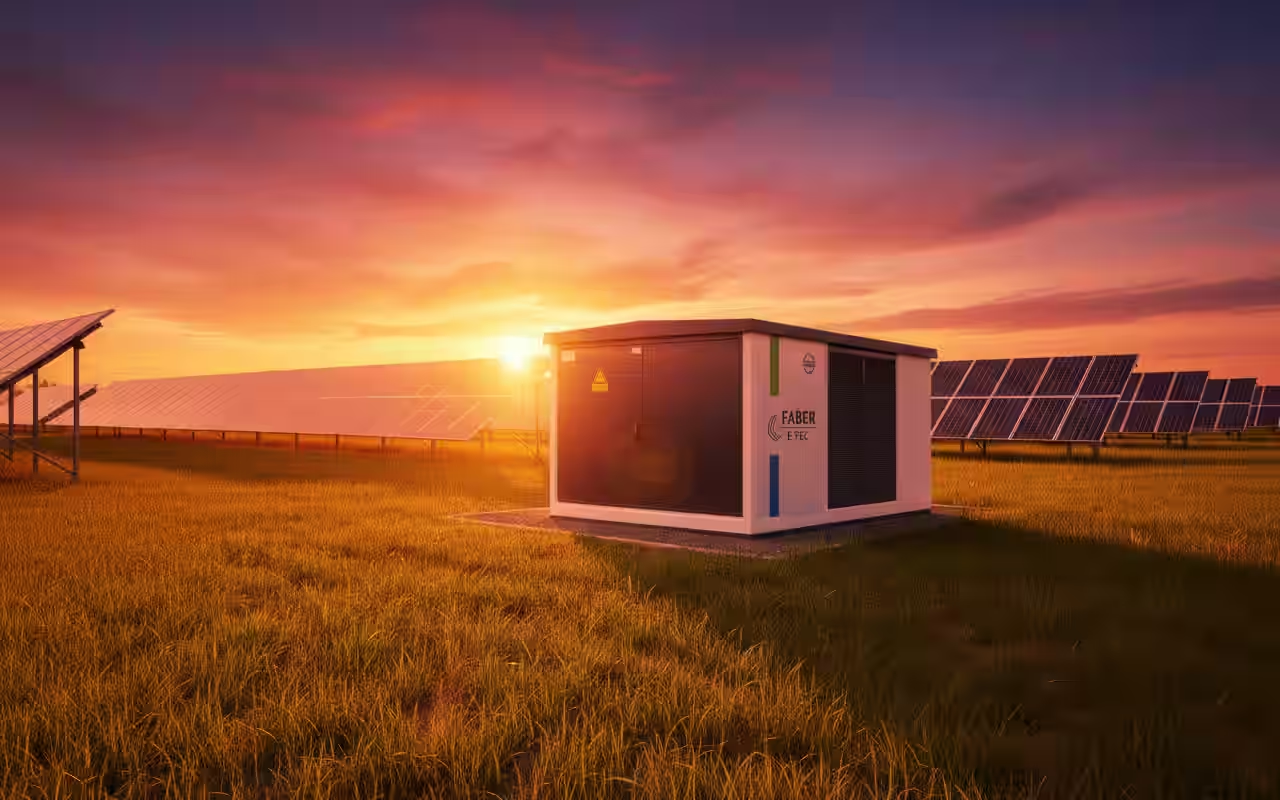
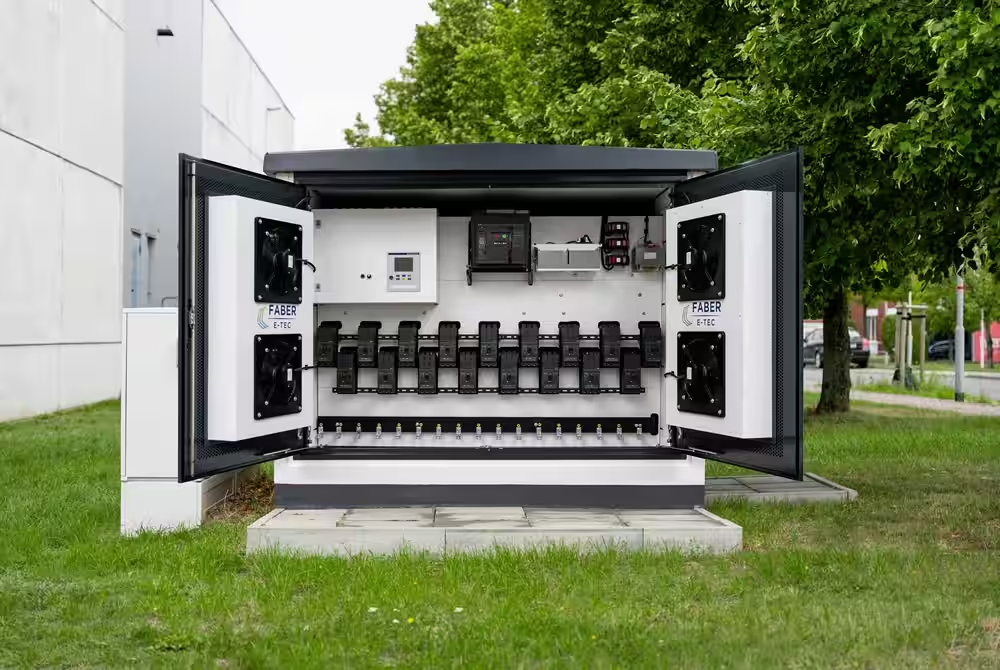
Enquire about the Kaiserslautern solar park and structure the project start cleanly
Smooth operation begins with a clean start. If the feed-in power, area, grid requirements and expansion targets are clear at an early stage, the Kaiserslautern Solar Park be planned precisely. This reduces queries, avoids subsequent corrections and creates a solution that remains stable even as it grows.
Those who consider the expansion path early on save on later conversions and downtime. This creates a medium-voltage basis that supports the site long-term and enables further development.
"*" indicates required fields
"*" indicates required fields
"*" indicates required fields
"*" indicates required fields
"*" indicates required fields
Frequently asked questions about the Kaiserslautern solar park
What information is important for the initial planning of a solar park station?
The planned feed-in power, the available area, the desired voltage level and the planned expansion stage are important. In addition, information on the later development of the project helps to ensure that the station can be planned with a sensible reserve structure from the outset.
How can a solar park station remain technically manageable in the event of later expansion?
The decisive factor is a clear station logic instead of a pure initial design. If switch panels, protection technology and connection structure are properly prepared, additional power steps can be integrated in an organised manner. This keeps the system stable and makes subsequent conversions much easier.
Why is protection coordination so important for PV feed-in?
Because it determines how the station reacts in the event of a fault and how selectively protective functions work. Proper protection coordination improves availability, reduces consequential risks and helps to localise faults more quickly. This is a key factor for smooth system operation.
What are the real benefits of good documentation during operation?
It saves time and increases safety. Maintenance, troubleshooting and subsequent adjustments can be implemented much more efficiently if the protection parameters, switching logic and station structure are clearly documented. This is a major advantage, especially for growing projects.