Background generated by AI
Detmold solar farm station for smooth day-to-day feed-in and expansion without disruption
- Solar park station Detmold planned to suit feed-in capacity, operating mode and expansion stages
- Medium-voltage substation Detmold with clear switchgear bay structure and consistent protection logic
- End-to-end project management with Faber E-Tec
- Made in Germany - standard-compliant & future-proof
One Detmold Solar Park Station is the technical point at which photovoltaic power transitions cleanly into grid operation. The initial connection is often straightforward to calculate. It becomes demanding when the project grows later: additional inverters, new outgoing feeders, repowering or a modified operating strategy. It is precisely then that medium voltage determines whether expansion can remain orderly or whether every update triggers retrofitting of existing infrastructure.
For stable operation, the internal logic of the station therefore counts. A Detmold medium-voltage substation must function as a system: panel layout, cable routing, protection technology, metering and documentation must all match. Spare capacity here does not mean simply building bigger across the board. Spare capacity means preparing the next step in the setup so that future extensions can be integrated cleanly and the substation remains easy to understand.
If this structure is correct, operations will become easier to plan. Maintenance windows can be scheduled more efficiently, inspections will run in a more orderly fashion, and faults can be isolated more quickly because field allocation and the protection concept remain transparent. In this way, the grid connection becomes an infrastructure that sustains the site over the long term.
Streamlined field logic makes service faster and decisions safer
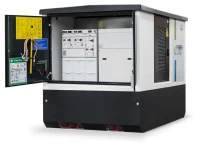
In everyday life, quality shows in how quickly you can find your bearings in the department. During a Detmold Solar Park Station does clear field allocation ensure that checks do not begin with a search. Easily accessible components, clear labelling and neat cable routing shorten maintenance and reduce the risk of interventions taking unnecessarily long.
Consistency in the protection concept is equally important. If protection functions match the field structure and are parameterised in a comprehensible way, fault conditions can be isolated in a targeted manner. This protects availability because no more of the system is switched off than is necessary. Operators also benefit because reserves and limits within the system remain visible and operational decisions can be made more quickly.
Planning without detours, so that later expansion doesn't tear the existing structure apart
Many projects develop in phases. Anyone who only maps the current state at the start will pay the price later: additional coordination, periods of downtime and rework on existing structures. Good planning for a Detmold medium-voltage substation therefore defines the expansion path early on: where later feeder exits will be connected, how the protection logic remains consistent, and how the substation remains serviceable.
Once these safety barriers are in place, expansion becomes predictable. New capability builds on the existing structure rather than breaking it apart. This brings calmness to schedules and ensures that the station remains easy to navigate even after the second or third step.
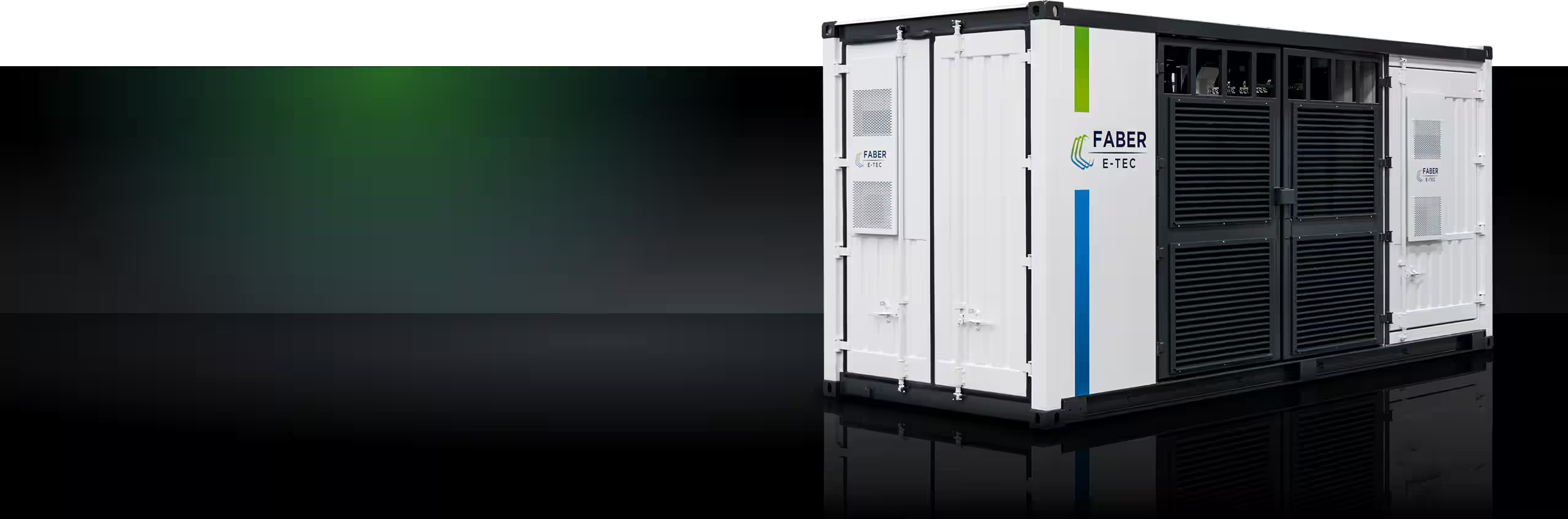
One Detmold transfer station needs to function over years. Recurring inspections, maintenance, switching operations and technical adjustments are normal. A design that supports servicing is therefore crucial: practical access points, accessible components and documentation that clearly reflects the actual state of the substation.
When switching logic and protection technology work together seamlessly, operation becomes more controllable. Service interventions can be prepared in a targeted manner, faults isolated more quickly, and expansions implemented step by step. This reduces downtime risks and ensures that the medium-voltage side remains stable even during growth.
Reliable in continuous operation.
Designed for outdoor use
Customisable to project requirements.
For industry and infrastructure.
Stable and powerful.
Simply by crane.
Space-saving and efficient.
Faber E-Tec. Detmold solar power station for a feed-in that runs smoothly in everyday life and does not become a construction site during expansion. Own production - power substation manufacturer from Germany.
Solar Park Station Detmold | Faber E-Tec Medium Voltage
Typical deployment scenarios for solar farm substations in Detmold concerning feed-in, expansion phases, and hybrid operation


Compact stations, when space is limited and service access still needs to be considered
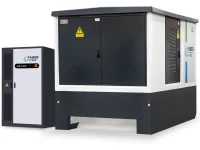
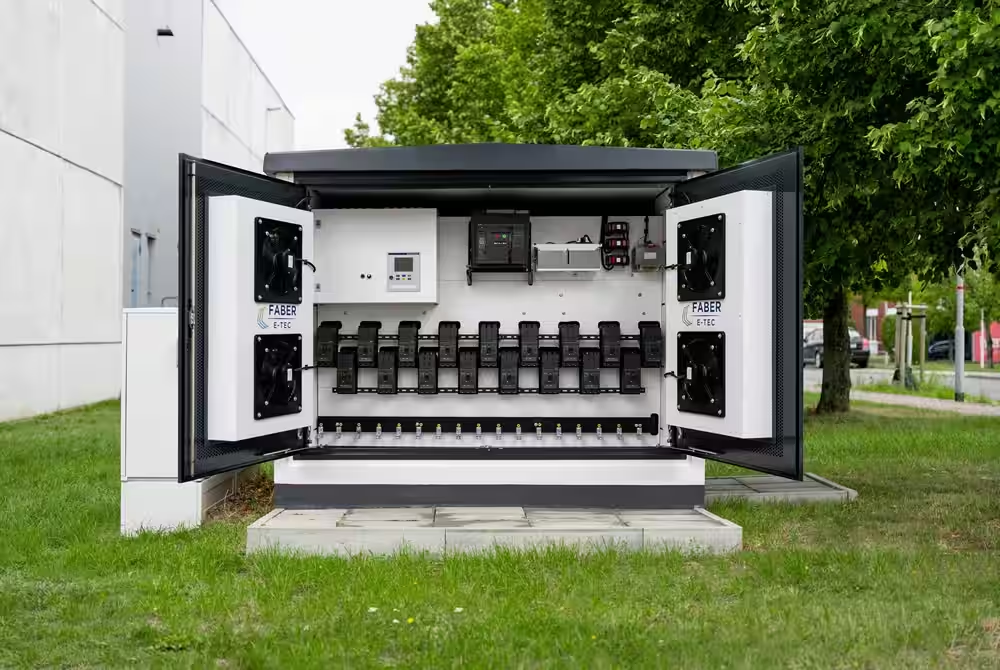
Compact solutions are sensible if compactness does not come at the expense of maintenance and accessibility. Good component layout, clear labelling and clean cable routing ensure that servicing is not hindered. Even with little space, internal organisation remains the most important factor.
If the station remains structured, later outputs can be added without blocking service paths or making the switching logic confusing. This means that the solution remains manageable, even with gradual development.

Thinking e-mobility and solar intelligently together instead of planning separately
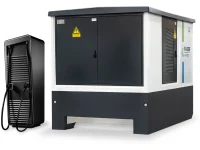
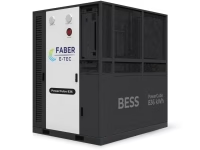
As soon as battery storage systems or charging infrastructure become relevant at the site, complexity increases. Feed-in, charging power and peak loads hit the medium-voltage side all at once. This only remains stable if station logic and protection coordination map these operating states and priorities within the system remain clear.
Those who consider these issues as an overall system at an early stage reduce conflicting objectives in terms of performance design and protection technology. Expansions remain possible without every new element upsetting the existing system. The station remains comprehensible, even if the location can do more than just supply power.
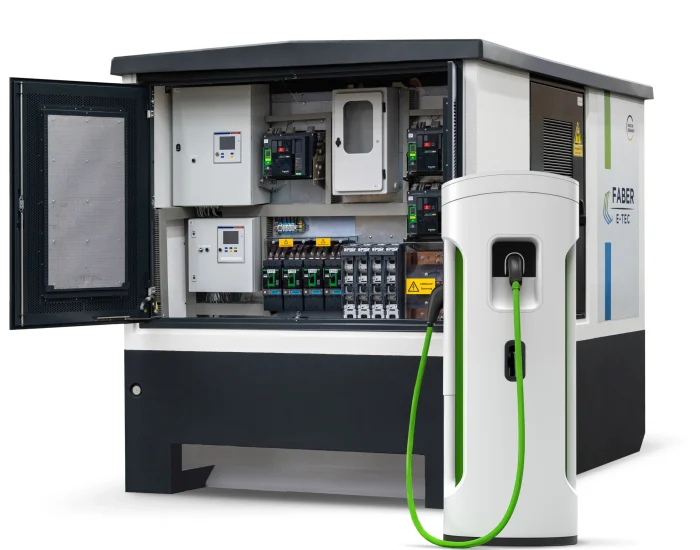
Solar park stations in Detmold with clear feed-in structure and prepared expansion path
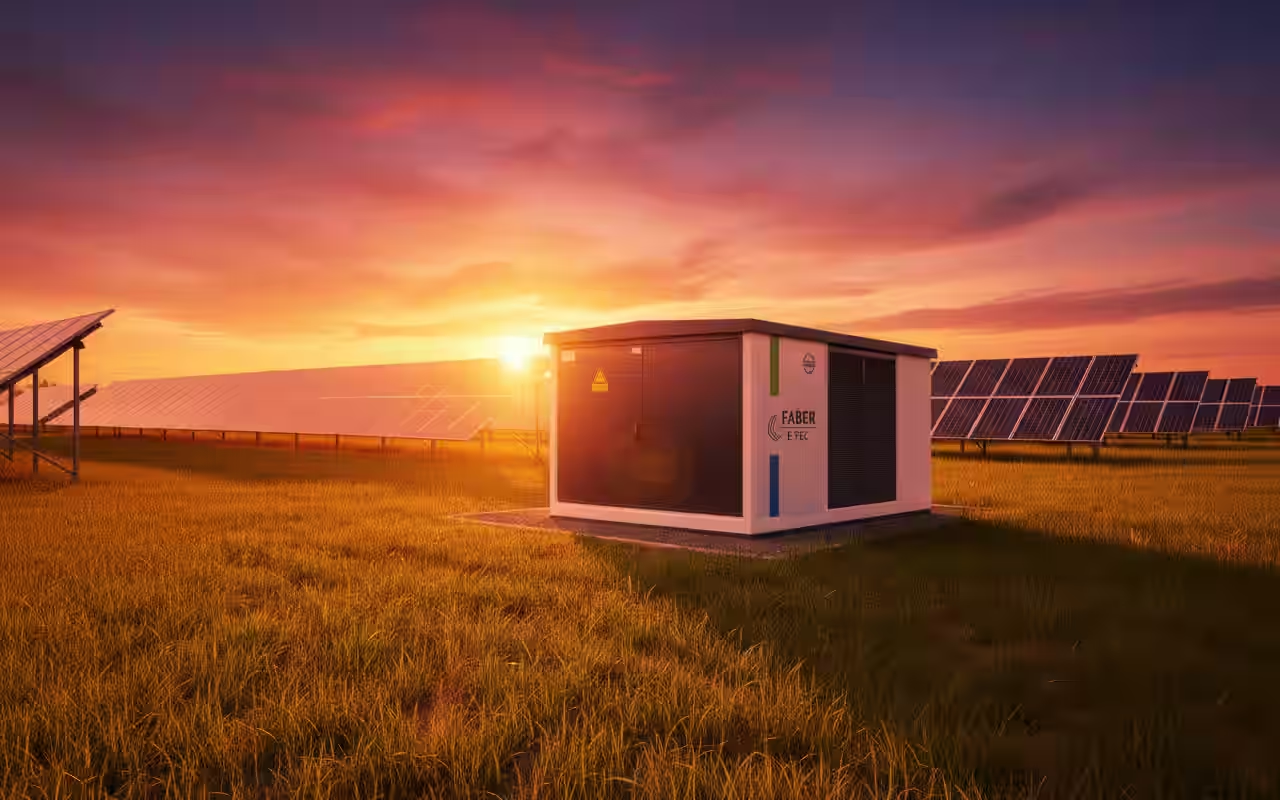
One Detmold Solar Park Station should reliably manage the feed-in and enable subsequent performance steps without every expansion becoming a conversion project. The key lies in a field logic that provides for expansion and in a connection routing that maps the next step in a technically clean way. If the protection concept and measurement match, the station remains manageable in everyday use and continues to develop in an orderly fashion.
If this preparation is missing, typical consequential costs arise: additional coordination, rework of existing assets and unnecessary interruptions to operations. With a clearly prepared structure, the next step remains predictable.
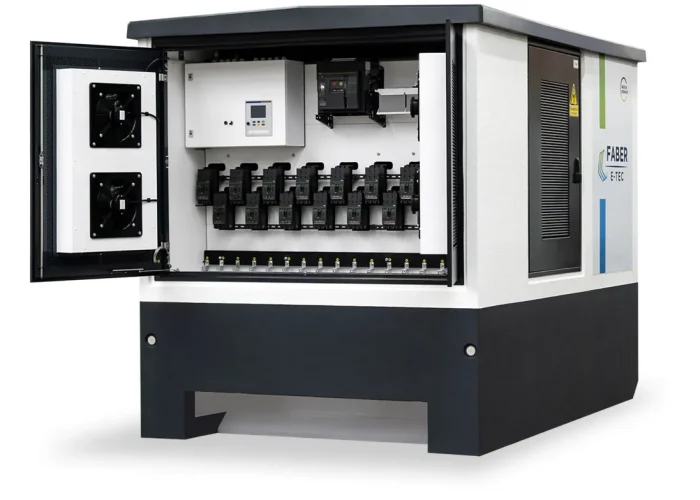
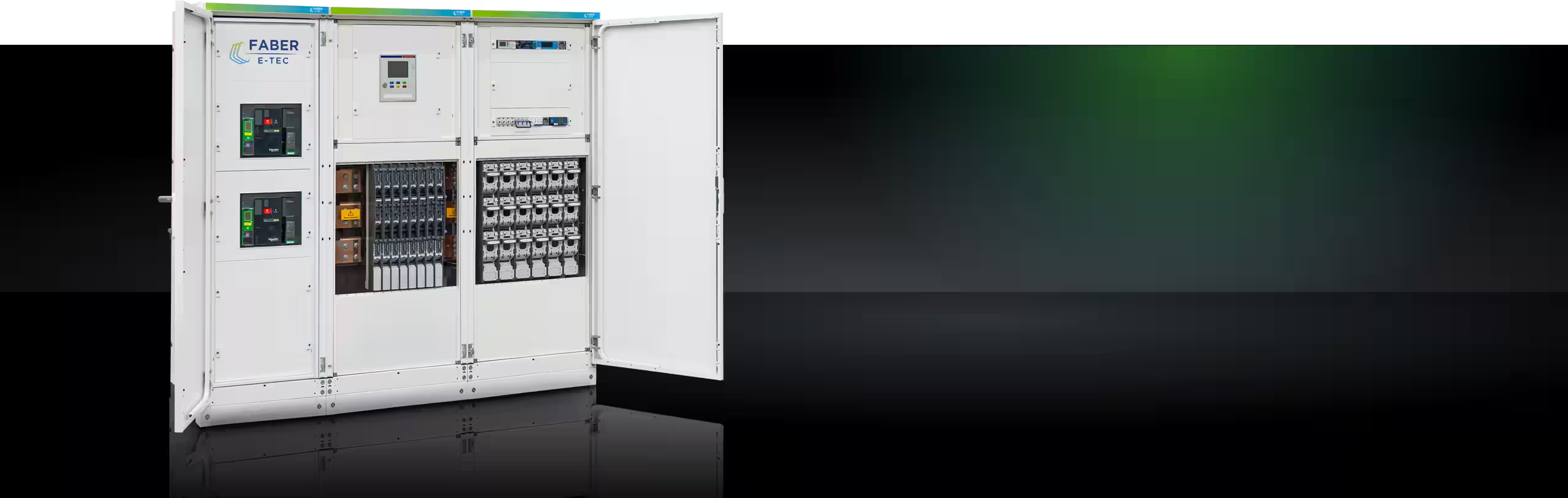
EPC solutions in Detmold with clear accountability and a seamless handover
If planning, procurement, implementation and commissioning are managed in one line, interface risks are significantly reduced. Decisions become reliable earlier, checkpoints clearer and handovers cleaner. This reduces the coordination effort and ensures that the station starts operation without any unresolved issues.
Technical quality from Germany for permanently traceable medium voltage
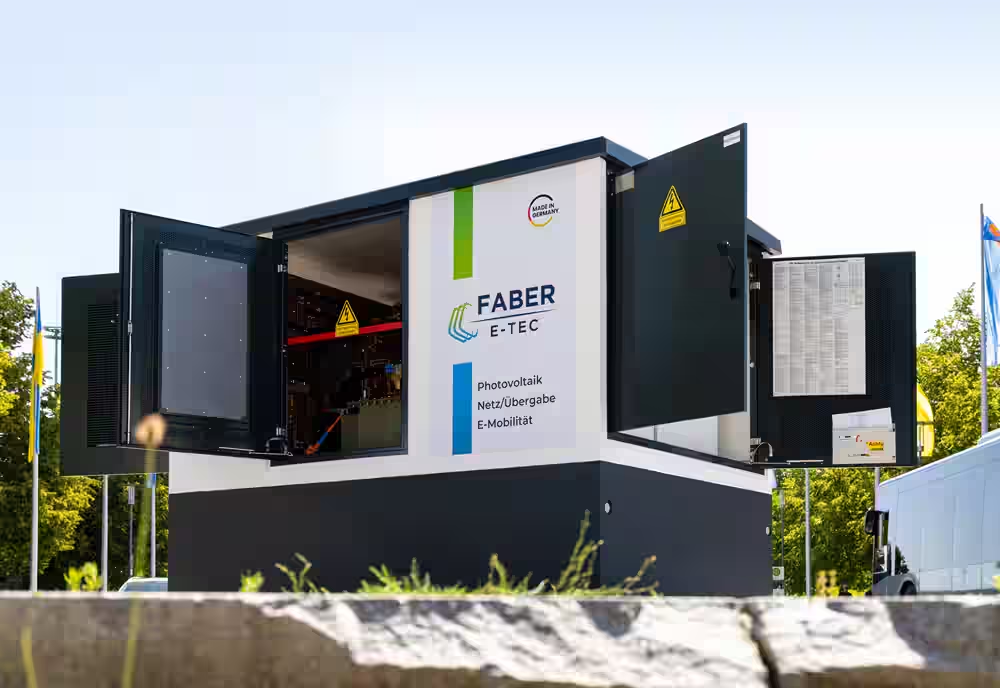
In the medium-voltage range, trust is created during operation. One Detmold Solar Park Station must be easy to understand, remain quickly accessible for servicing and function stably in the event of expansions. A clear structure, consistent protection logic and documents that reflect the actual structure make operation easier to plan and reduce risk.
Enquire about the Detmold solar farm station and set up the project start in a technically sound manner
Stable operation begins with a clean start. If the feed-in power, area, grid requirements and expansion targets are clear at an early stage, the Detmold Solar Park Station be planned precisely. This reduces queries, avoids subsequent corrections and creates a solution that remains stable even as it grows.
"*" indicates required fields
"*" indicates required fields
"*" indicates required fields
"*" indicates required fields
"*" indicates required fields
Frequently asked questions about the Detmold solar park substation
What information is important for the initial planning of a solar park station?
The planned feed-in power, the available area, the desired voltage level and the planned expansion stage are important. In addition, information on the later development of the project helps to ensure that the station can be planned with a sensible reserve structure from the outset.
How can a solar park station remain technically manageable in the event of later expansion?
The decisive factor is a clear station logic instead of a pure initial design. If switch panels, protection technology and connection structure are properly prepared, additional power steps can be integrated in an organised manner. This keeps the system stable and makes subsequent conversions much easier.
Why is protection coordination so important for PV feed-in?
Because it determines how the station reacts in the event of a fault and how selectively protective functions work. Proper protection coordination improves availability, reduces consequential risks and helps to localise faults more quickly. This is a key factor for smooth system operation.
What are the real benefits of good documentation during operation?
It saves time and increases safety. Maintenance, troubleshooting and subsequent adjustments can be implemented much more efficiently if the protection parameters, switching logic and station structure are clearly documented. This is a major advantage, especially for growing projects.