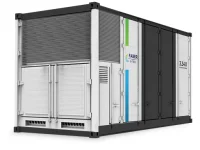
Background generated by AI
Solar Park Rhineland-Palatinate for secure grid handover and expansion phases that remain plannable
- Solar Park Station Rhineland-Palatinate appropriately designed according to feed-in performance, operating mode and project development
- Compact design with clear protection and switching structure
- End-to-end project management with Faber E-Tec
- Made in Germany - standard-compliant & future-proof
One Rhineland-Palatinate Solar Park is the technical point at which PV generation becomes stable grid operation. Initially, it's often about a clean connection and safe commissioning. The crucial part comes later: projects grow, outputs are added, capacity is increased, or the site develops further. It is precisely then that it becomes apparent whether the medium voltage was planned as a long-term infrastructure.
To prevent extensions from requiring interventions to the inventory every time, the station needs a clear internal structure. Field layout, connection routing, protection technology, measurement concept, and documentation must reflect the same technical approach. If this approach is consistently implemented, operations run more smoothly: recurring inspections become clearer, service calls can be better prepared, and faults can be pinpointed more quickly.
Genuine reserve is rarely created by simply building bigger. Structural reserve is key: expansion points in the right places, access routes without detours, and protection coordination that considers future operating states. This way, the station remains understandable and manageable even after further expansion phases.
Set up solar park stations compactly and keep them clearly organised during operation
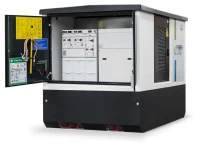
An overview saves time during operation. One Medium-voltage station Rhineland-Palatinate works particularly reliably when fields are logically structured, markings are clear, and components remain easily accessible. Maintenance then begins not with searching, but with a clear procedure. This reduces potential errors and shortens downtime, especially during recurring inspections.
Another advantage becomes apparent in the event of a fault. If protective functions are matched to the field structure and the parameterisation is clearly documented, an event remains controllable. It is precisely disconnected where technically necessary. This protects availability and ensures that service decisions can be made more quickly.
Cleanly coordinate interfaces and make grid integration plannable
Many delays arise at interfaces: network specifications, measurement concepts, protection coordination, remote control technology, and commissioning must be aligned early on. If this alignment is established too late, it leads to queries, adjustments, and additional deadlines.
For a Rhineland-Palatinate Solar Park This is why it's worthwhile to firmly establish the expansion path early on: Where should later departures connect, how does measurement grow consistently, how does the protection coordination remain stable? If these guardrails are cleanly set in the concept, expansion becomes calculable. New capacity builds on the existing structure instead of breaking it apart.
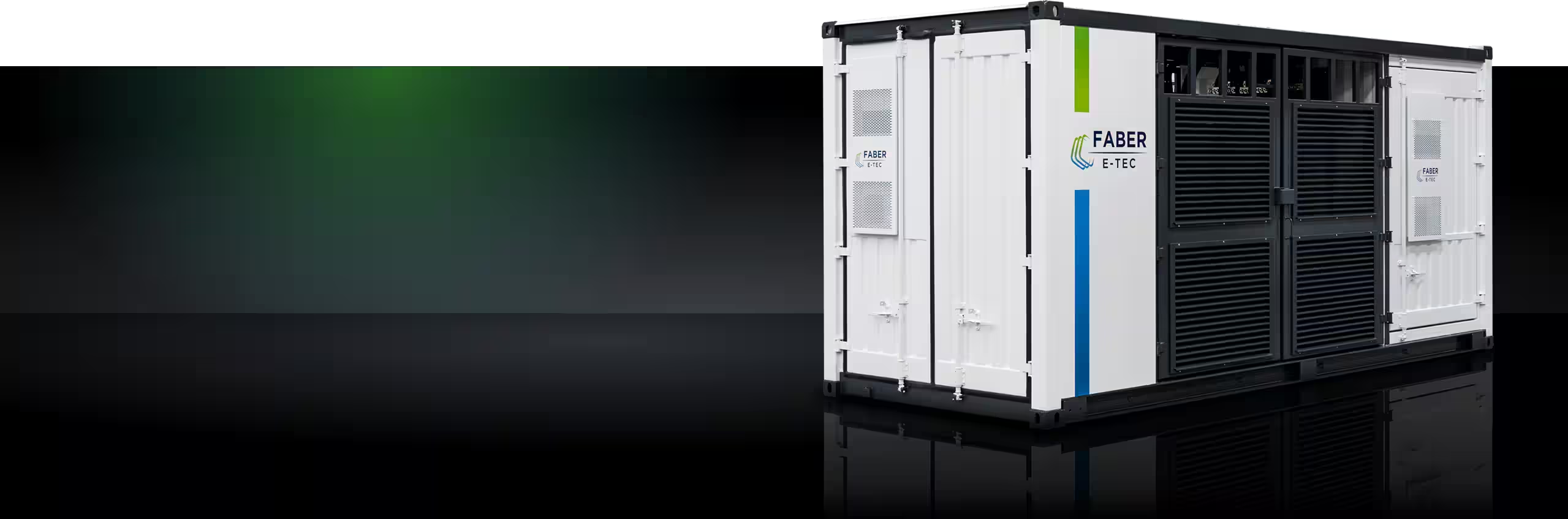
One Transfer station Rhineland-Palatinate must function reliably for years. This includes maintenance, tests, switching operations and technical adjustments. A structure that supports service is crucial: practical access, clear field allocation and documentation that clearly depicts the actual station status.
When switching logic, measurement control and protection technology work together harmoniously, operation becomes more controllable. Service call-outs can be prepared in a targeted manner, fault cases are quickly narrowed down and expansions can be implemented step by step. This keeps the medium-voltage side stable, even as the project scope and operational management continue to evolve.
Reliable in continuous operation.
Designed for outdoor use
Customisable to project requirements.
For industry and infrastructure.
Stable and powerful.
Simply by crane.
Space-saving and efficient.
Faber E-Tec. Rheinland-Pfalz solar power plant for secure grid transfer and expansion phases that remain predictable. Own production - transformer station manufacturer from Germany.
Solar Park Substation in Rhineland-Palatinate
Typical deployment scenarios for solar parks in Rhineland-Palatinate concerning grid connection, repowering, storage integration, and phased expansion


Compact stations, when space is limited and service access is a must
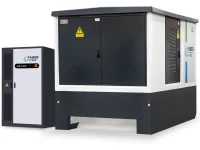
Compact solutions make sense when compactness does not come at the expense of maintenance and operability. A neat arrangement of components, clear labelling and tidy cable routing prevent service from being slowed down. Even with limited space, internal order remains a crucial factor.
If the station remains structured, later outlets can be added without blocking service routes or making the switching logic confusing. This means that compactness remains an advantage, even if the project grows in stages.

Hybrid sites in Rhineland-Palatinate: Coordinating PV, storage, and additional loads cleanly
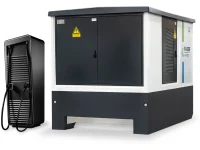
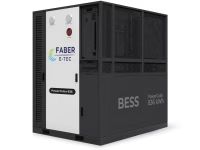
As soon as storage systems or additional consumers are added to the site, the demands on the medium voltage increase. Feed-in, load peaks and new operating states affect the switchgear at the same time. This only becomes stable if the substation logic and protection coordination map these scenarios and priorities in the system remain clear.
Those who consider hybrid issues as an overall system at an early stage reduce conflicting objectives in terms of design and protection technology. New components can be neatly integrated without the station becoming technically disjointed or more difficult to control during operation.
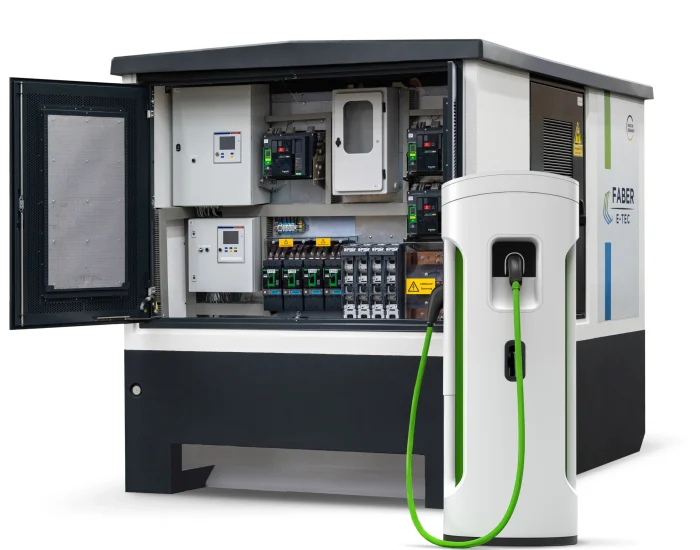
Solar power stations in Rhineland-Palatinate with clear handover logic and a clean expansion path
One Rhineland-Palatinate Solar Park Feed-in should be reliable and simultaneously enable expansion. The key lies in field logic that makes the expansion path visible, and in a connection concept that can accommodate additional outlets in a structured manner. If the measurement and protection concept aligns with this, the station remains understandable in everyday use and develops in an orderly fashion.
If this structure is missing, typical follow-on costs arise: additional coordination, redesign of existing structures, and unnecessary interruptions. With a prepared expansion path, the next stage remains plannable because the connection route and technical line are already defined.
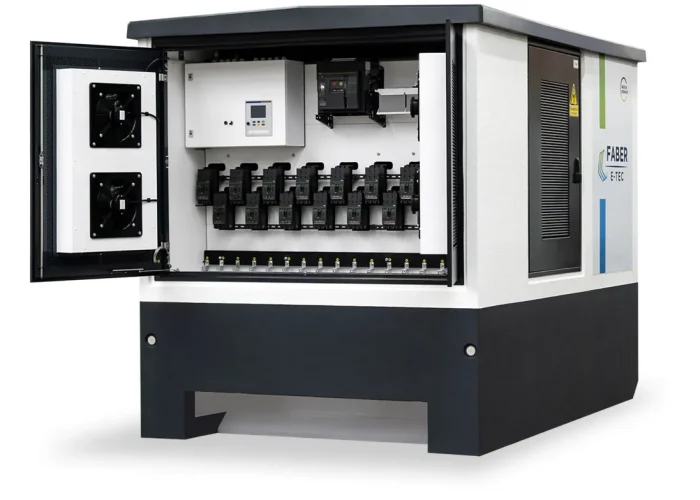
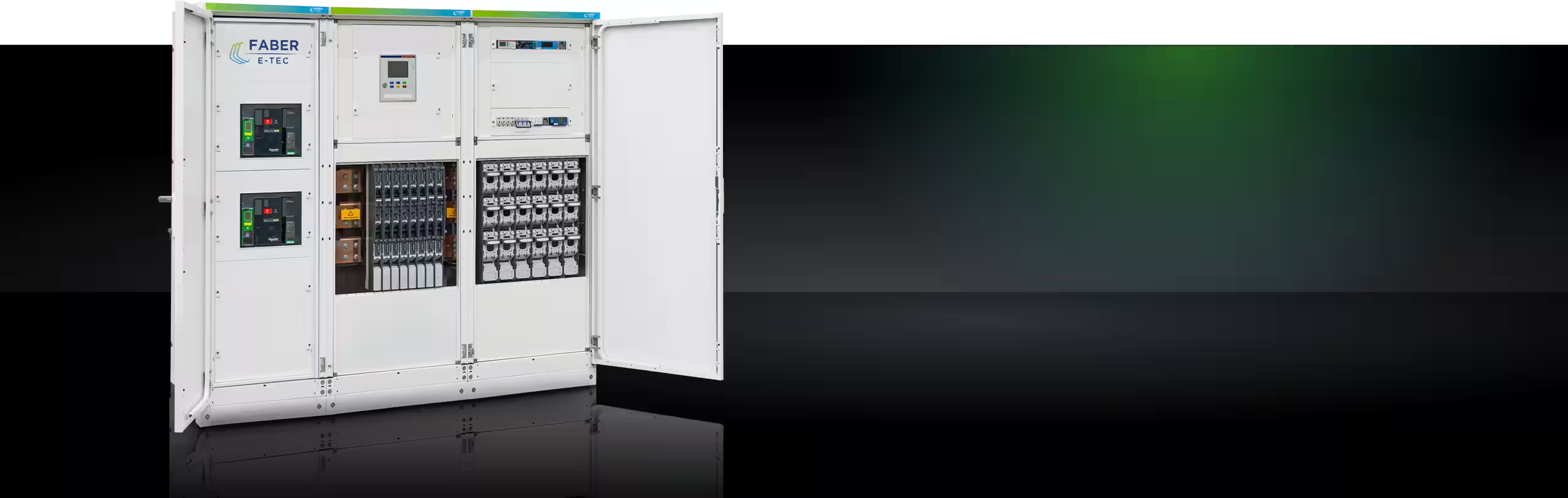
EPC Solutions in Rhineland-Palatinate with Clear Responsibility and Clean Handover
When engineering, procurement, implementation and commissioning are managed in a linear fashion, interface risks are significantly reduced. Decisions are more robust earlier on, checkpoints are clearer and handovers are smoother. This reduces friction loss and ensures that the station starts operation without any outstanding issues.
Technical quality from Germany for permanently stable medium voltage
In the medium-voltage range, trust is created during operation. One Rhineland-Palatinate Solar Park must be easy to understand, remain quickly accessible for servicing and function stably in the event of expansions. A clear structure, consistent protection logic and documents that reflect the actual structure make operation easier to plan and reduce risk.
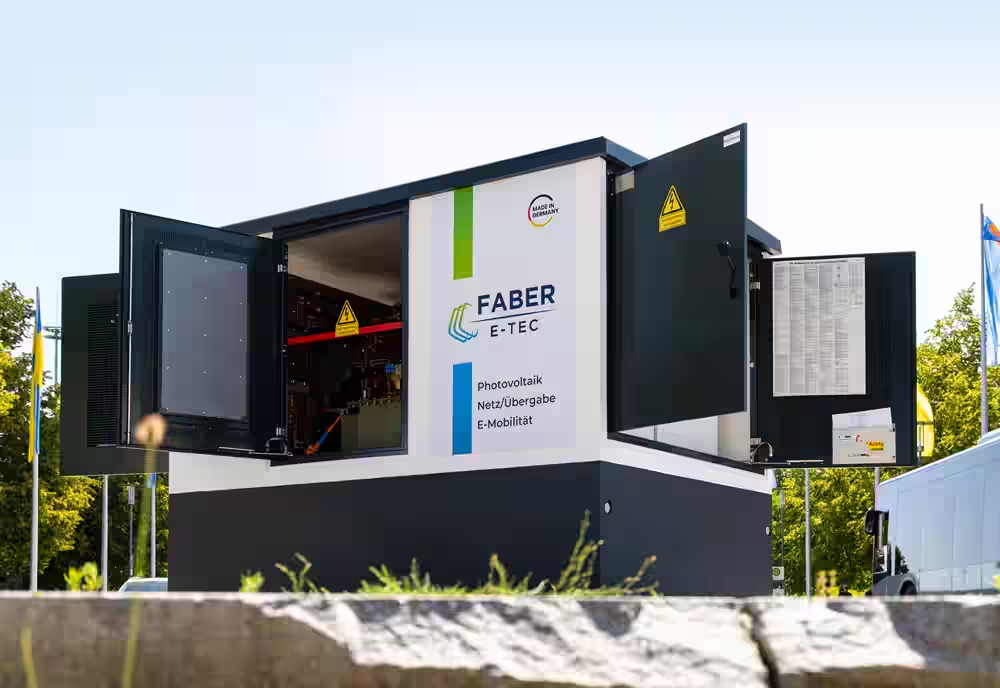
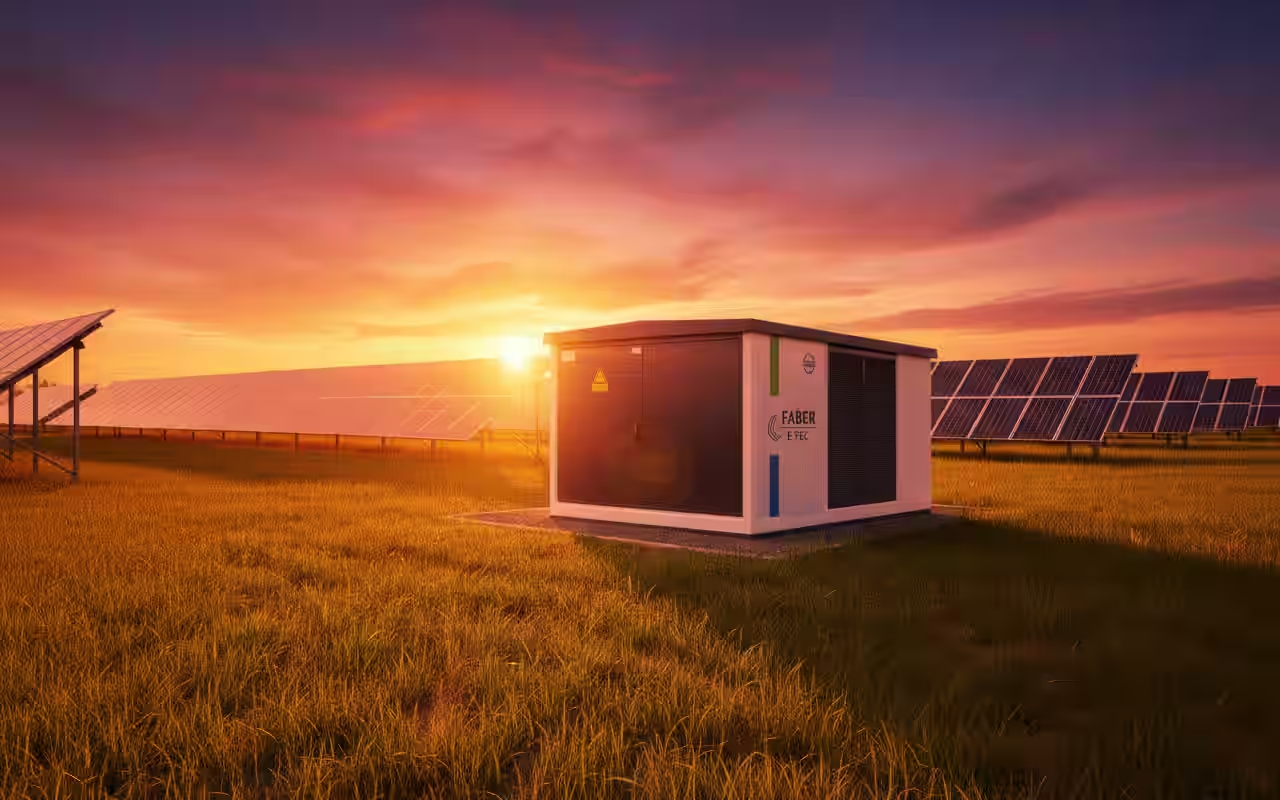
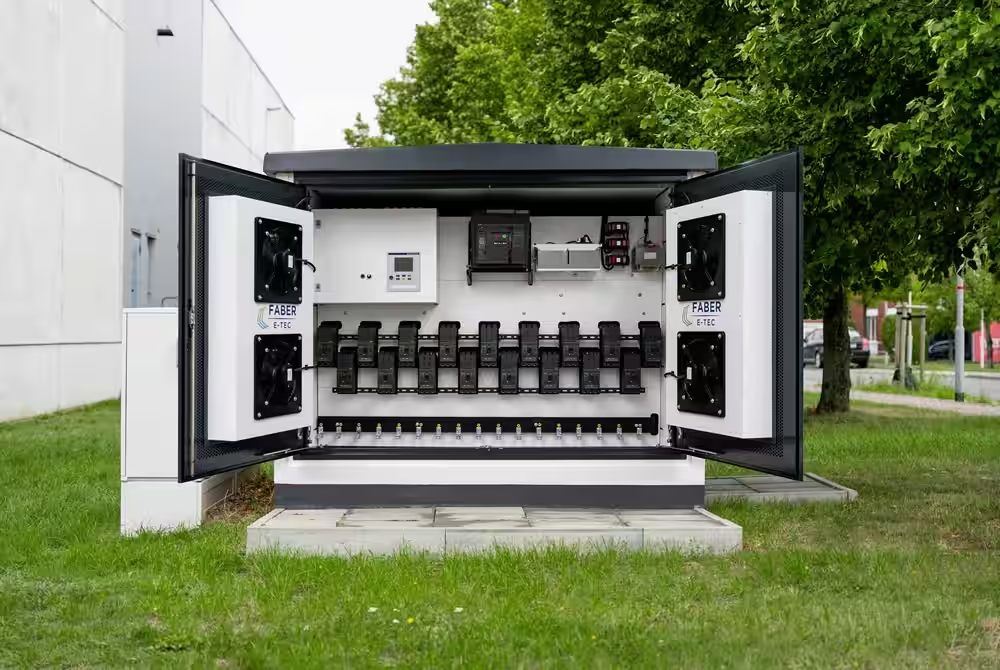
Enquire about the Rhineland-Palatinate solar park and start the planning technically soundly.
Stable operation begins with a clean start. If the feed-in power, available area, grid requirements and expansion targets are clear at an early stage, the Rhineland-Palatinate Solar Park be planned precisely. This reduces queries, avoids subsequent corrections and creates a solution that remains stable even as it grows.
"*" indicates required fields
"*" indicates required fields
"*" indicates required fields
"*" indicates required fields
"*" indicates required fields
Frequently Asked Questions about the Rhineland-Palatinate Solar Park
What information is important for the initial planning of a solar park station?
The planned feed-in power, the available area, the desired voltage level and the planned expansion stage are important. In addition, information on the later development of the project helps to ensure that the station can be planned with a sensible reserve structure from the outset.
How can a solar park station remain technically manageable in the event of later expansion?
The decisive factor is a clear station logic instead of a pure initial design. If switch panels, protection technology and connection structure are properly prepared, additional power steps can be integrated in an organised manner. This keeps the system stable and makes subsequent conversions much easier.
Why is protection coordination so important for PV feed-in?
Because it determines how the station reacts in the event of a fault and how selectively protective functions work. Proper protection coordination improves availability, reduces consequential risks and helps to localise faults more quickly. This is a key factor for smooth system operation.
What are the real benefits of good documentation during operation?
It saves time and increases safety. Maintenance, troubleshooting and subsequent adjustments can be implemented much more efficiently if the protection parameters, switching logic and station structure are clearly documented. This is a major advantage, especially for growing projects.