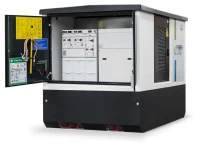
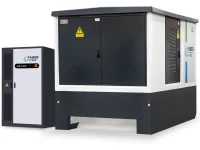
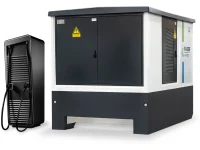
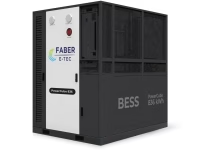
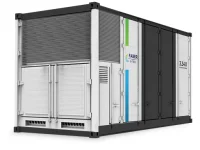
Reliable for solar parks of any size.
Compatible with all German medium-voltage networks, arc fault certified for nationwide use.
Faster implementation thanks to in-house production and semi-automated planning process.
Customised configuration of transformer power, voltage levels and balance circuits according to project requirements.
Konstanz solar park substation for a stable feed-in and a medium-voltage that doesn't stall on start-up
- Konstanz solar park station thoughtfully designed for feed-in, grid connection and subsequent power increments
- Medium-voltage substation Constance with clear protection logic and sensibly prepared reserve
- End-to-end project management with Faber E-Tec
- Made in Germany - standard-compliant & future-proof
One Solar Park Station Konstanz is not simply the point at which electricity flows into the grid. It is the technical foundation that ensures a site operates smoothly in everyday use, loads are managed cleanly, and future expansions do not disrupt the system every time. This is precisely where it becomes clear whether a project was only conceived for the first construction phase or whether the medium-voltage system will continue to operate reliably even as the site evolves.
With many PV projects, demand changes noticeably only after commencement. New module areas, additional inverters or a subsequent increase in output often shift the technical requirements significantly. Therefore, a Constance medium-voltage station not just be tailored to the initial state. What is crucial is a structure that clearly fits today and will not become a bottleneck tomorrow.
When switchgear layout, protection technology and documentation are cleanly coordinated from the outset, it delivers real benefits in day-to-day operations. Maintenance becomes more transparent, service calls can be prepared more specifically, and subsequent expansion steps can be implemented much more controllably. In this way, a mere connection solution develops into a robust medium-voltage base that supports the site over the long term.
With Faber E-Tec the focus is on a technical approach that is not only intended to work in the short term, but is designed for long-term operational reliability and expandability.
Organising the station cleanly on the inside saves you a lot of detours on the outside
With a Solar Park Station Konstanz the true quality often lies in the internal layout. A logically structured field layout, easily accessible components and a comprehensibly designed protection concept ensure that the system does not become unnecessarily complicated during operation. Tests can be carried out in a more structured manner, maintenance windows become easier to plan and faults can be isolated more quickly.
Especially in projects with multiple expansion phases, the advantage becomes apparent early on. If the substation is designed only for the initial state, additional feed-in capacity quickly becomes a problem for the existing system. In contrast, a forward-looking medium-voltage structure creates scope for the next step without having to reorganise ongoing processes every time. This saves time, reduces follow-up costs and keeps the technical line stable.
This is also noticeable internally. Operations, service and the technical management work together much more efficiently when conditions, reserves and expansion options are understandable at a glance. It is precisely this clarity that reduces coordination effort and noticeably improves operational quality.
A smooth project schedule starts long before commissioning
Many delays do not arise from individual components, but from open transitions between grid requirements, planning, implementation, and commissioning. For a Solar Park Station Konstanz an early technical pre-structure is therefore not a side issue, but a genuine foundation for a stable process. Feed-in capacity, substation layout, protection parameters and expansion targets should be cleanly aligned early on.
If these key data are reliably defined from the outset, approvals become more certain and queries during the project are significantly reduced. This not only relieves pressure on the schedule, but also improves the subsequent operational phase, because the station has been tailored to its actual usage from the beginning and does not have to be retrofitted later.
For operators, this primarily means greater peace of mind. The plant starts with a clear direction rather than open issues. Precisely this preparatory work saves time, corrections and unnecessary project loops later on.
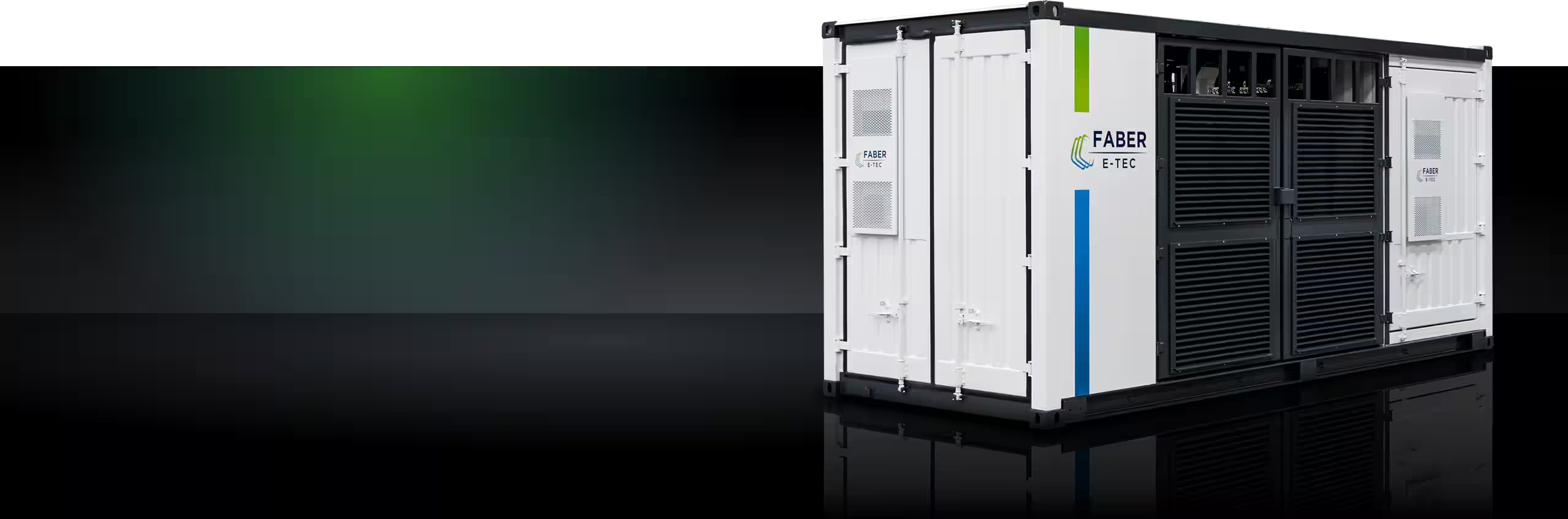
for the safe mounting and operation of transformer and switching technology.
One Konstanz Transfer Station must prove itself in everyday operation. What matters are not just clean connection ratings, but stable processes, defined protective responses and a structure that permits maintenance and technical modifications without unnecessarily slowing down the site every time. Therefore, the substation should be planned not only for grid connection, but for the time after that.
This pays off, especially for projects with growth potential. A well-structured Solar Park Station Konstanz remains resilient even when new capacity is added. This turns a technical interface into a viable medium-voltage foundation for long-term development.
Reliable in continuous operation.
Designed for outdoor use
Customisable to project requirements.
For industry and infrastructure.
Stable and powerful.
Simply by crane.
Space-saving and efficient.
Arc fault certified for use throughout Germany.
We take over the engineering and obtain approval from the responsible energy supply company
Application areas for solar park stations in Constance with a focus on feed-in, grid stability and expandable PV concepts

Solar parks & ground-mounted PV systems

Charging infrastructure & electromobility

Battery Energy Storage Systems

Energy supply & municipal utilities

Agriculture & Agri-PV
Powerful solutions for agri-PV systems throughout Germany.

Industry & Trade
Compact substations as a smart solution for areas with multiple energy flows
Not every location is a pure feed-in point. In many projects, PV generation, self-consumption and additional loads run in parallel within a joint energy concept. A compact medium-voltage solution makes particular sense for this because it brings together various energy flows in an orderly structure while using space economically.
Your advantage lies not only in the space required. A clearly structured compact substation also facilitates maintenance, testing and subsequent modifications, because the technology remains clear and central components can be accessed without major detours. This is particularly helpful where load profiles change over time or additional equipment is added.

Seamlessly integrating PV, energy storage and e-mobility in Constance using a medium-voltage framework
As soon as, in addition to PV generation E Mobility or storage technology is also considered, the demands on the medium-voltage side increase significantly. Feed-in, charging power and load peaks must then be cleanly coordinated in a common logic. A well-thought-out Constance medium-voltage station creates the right foundation for this.
Without clean planning, such concepts quickly reach their limits. Performance design, protection structure, and later expansion then do not mesh cleanly. However, with a clearly structured medium-voltage architecture, these requirements can be bundled early, allowing the site to remain stable and grow in a controlled manner.
This means more overview and less improvisation for operators. New components can be added in stages without the entire station structure having to be reorganised again and again. This is precisely what makes combined energy projects economically viable in the long term.
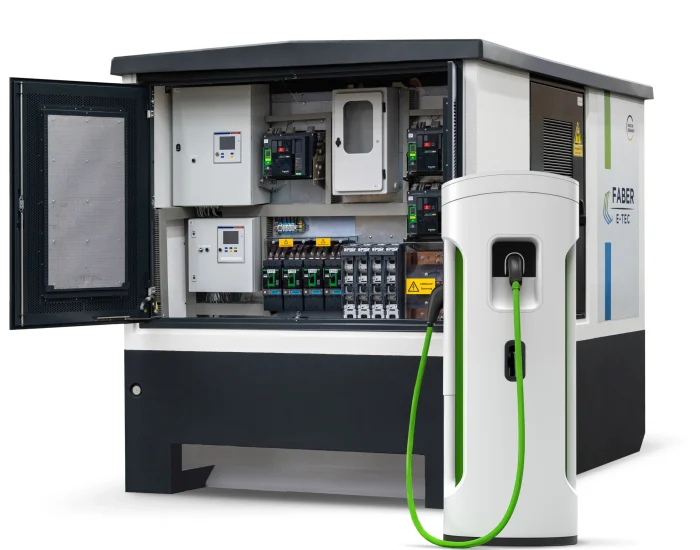
Solar park stations for Constance with clear feed-in management and a forward-thinking structure
One Solar Park Station Konstanz should be designed to safely handle current feed-in capacity and ensure that future expansions do not become a structural burden. This requires medium-voltage planning in which switching logic, protection coordination and service access are understood as an interconnected system. Only in this way will the substation remain straightforward in daily operation and cleanly controllable during expansion stages.
If planning only for the initial state, avoidable follow-up costs frequently arise later. Additional capacity then leads to retrofits, new coordination efforts and unnecessary interference with ongoing processes. A deliberately planned reserve prevents precisely that and ensures that the site remains technically flexible.
This is particularly relevant for projects in Constance if PV areas are built up gradually or expanded at a later date. A cleanly structured solar farm station provides the appropriate basis for this.
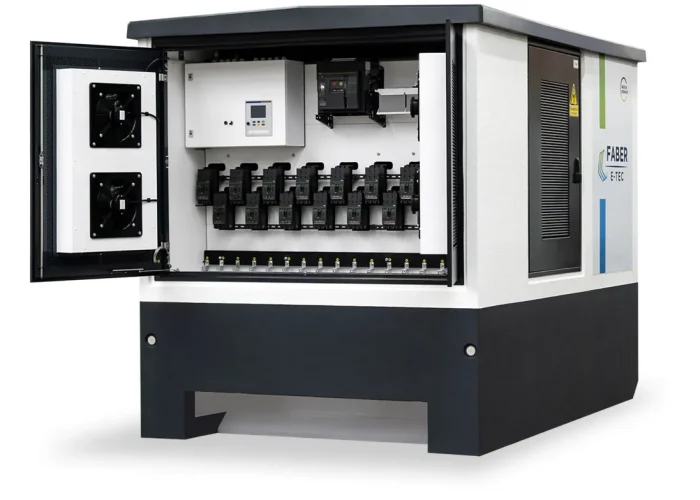
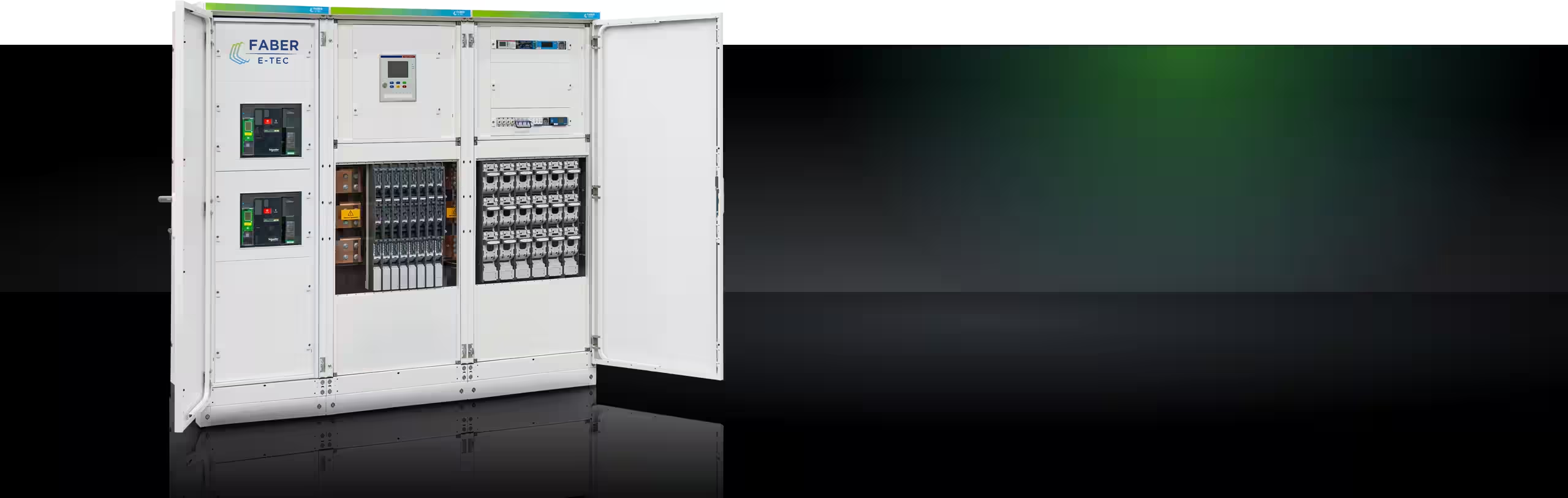
for safe and reliable power distribution in electrical installations.
EPC solutions in Constance with clear handovers and less friction in the project
In medium-voltage solar projects, friction losses often arise where technical handovers and responsibilities are not managed cleanly. For a Solar Park Station Konstanz therefore, a structured EPC process is a distinct advantage. If decisions are coordinated early and responsibilities remain clear, the entire project runs noticeably smoother.
A cleanly organised EPC approach brings order to approvals, checkpoints and technical interfaces. Queries are clarified earlier, the process remains more transparent, and the handover to operations is better prepared. This reduces the risk of delays and improves the quality of implementation.
For operators, this means greater schedule certainty, less rework, and a much more controlled project start. The station goes into operation with a clear technical foundation, rather than with outstanding issues.
Technical quality from Germany for reliable solar park operation
In the medium-voltage sector, trust is not built on grand pronouncements, but on technology that works in everyday life. Solar Park Station Konstanz must be clearly structured, easy to maintain, and stable even with later extensions. Precisely for this reason, well-thought-out station logic is more important than a short-term, fitting starting solution.
For operators, quality is primarily demonstrated in practice. When switching structure, protection technology, and documentation work together seamlessly, faults can be diagnosed faster and measures implemented more safely. This increases availability and significantly reduces ongoing maintenance effort.
With Faber E-Tec This centres on a quality requirement, geared towards robust solutions and a long-term sustainable medium-voltage base.
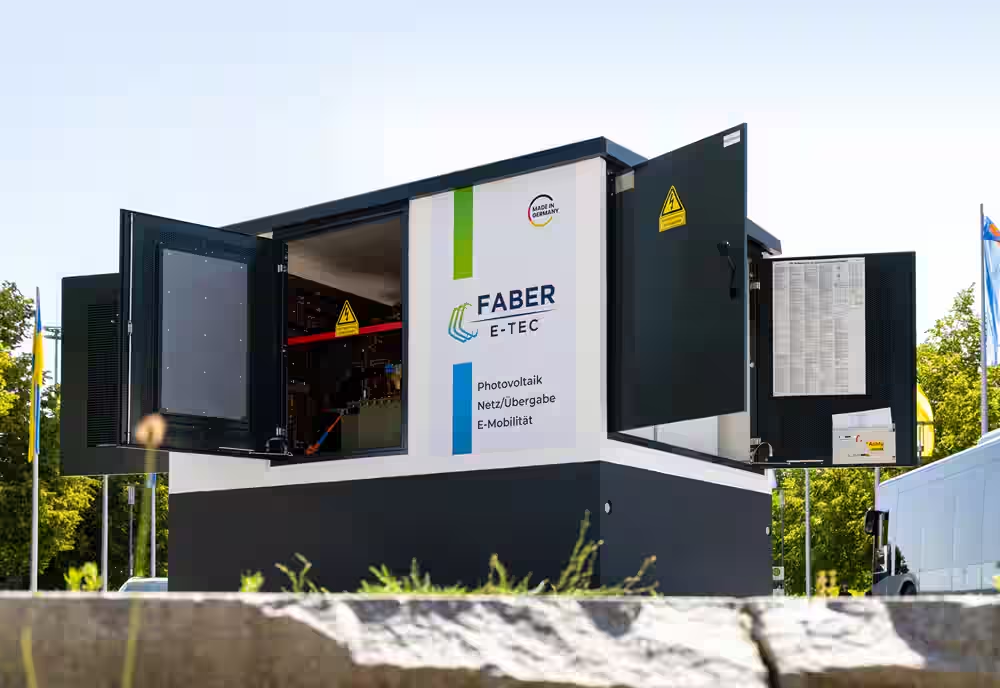
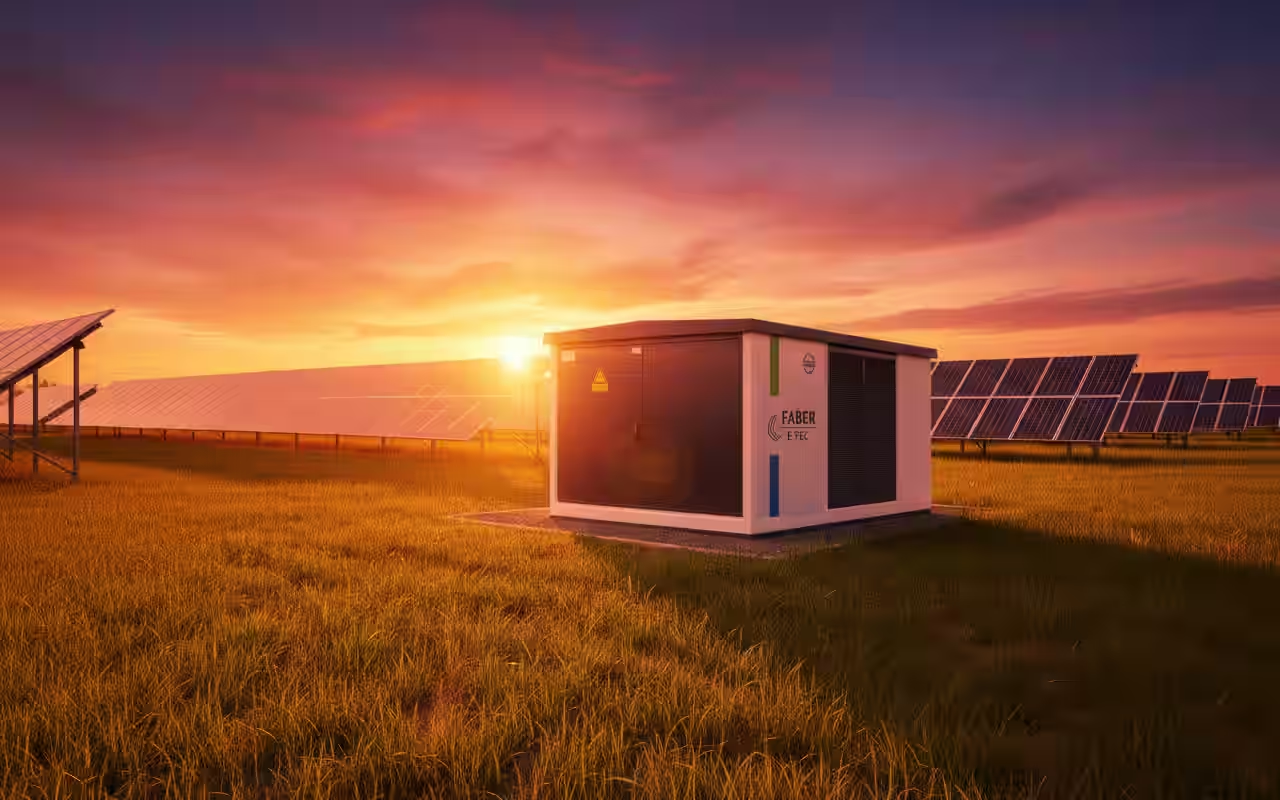
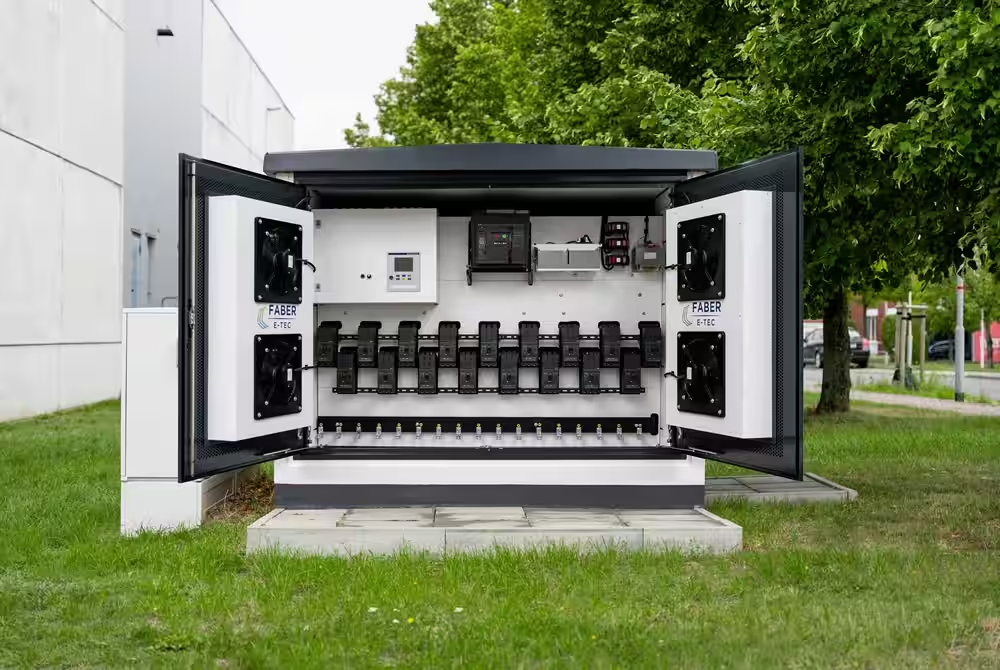
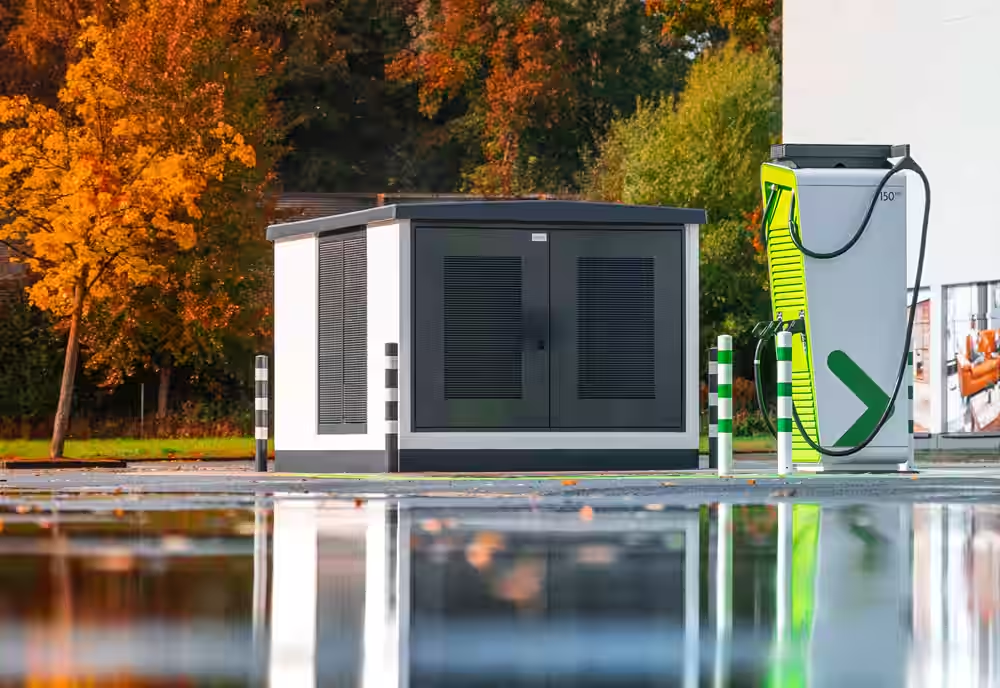
Enquire about the Konstanz solar park station and set up the medium-voltage planning properly at an early stage
Whether it is a new PV project, an expansion of existing feed-in capacity or the modernisation of an existing site: the quality in later operation is decided at the beginning. If feed-in capacity, area parameters, grid requirements and expansion targets are clearly defined early on, the Solar Park Station Konstanz be planned precisely.
This reduces coordination effort, prevents later corrections, and creates a solution that remains stable even with growth. Structured advance planning ensures that technology, timelines, and later expansion steps fit together cleanly.
Those who grasp the technical framework early on not only achieve a better start but also establish a robust infrastructure for long-term plant operation.
Compact station Request a quote
"*" indicates required fields
Order solar park station directly now
"*" indicates required fields
E-mobility made easy with us!
"*" indicates required fields
7200 KW Secure container offer
"*" indicates required fields
"*" indicates required fields
Frequently asked questions about the Constance solar park substation
How can you tell that a solar park station is genuinely prepared for future expansions?
Above all, because spare capacity in switchgear, protection systems and connection logic was visibly factored in from the start. Such a substation remains calm and manageable even when additional power is to be integrated at a later date.
Why do subsequent performance steps often incur unnecessary additional costs?
Mostly because the medium-voltage side initially only covers the first state. If a structured reserve is lacking, additional power steps quickly lead to retrofitting, new adjustments and unnecessary interference with ongoing operations.
Why is protection coordination so important for PV feed-in?
Because it determines how the station reacts in the event of a fault and how selectively protective functions work. Proper protection coordination improves availability, reduces consequential risks and helps to localise faults more quickly. This is a key factor for smooth system operation.
What are the real benefits of good documentation during operation?
It saves time and increases safety. Maintenance, troubleshooting and subsequent adjustments can be implemented much more efficiently if the protection parameters, switching logic and station structure are clearly documented. This is a major advantage, especially for growing projects.