Background generated by AI
Meißen solar park station for stable feed-in and medium voltage, the expansion stages neatly prepared
- Meißen solar park station suitably planned for feed-in capacity, mode of operation and subsequent expansions
- Meißen medium-voltage substation with clear bay structure and comprehensible protection logic
- End-to-end project management with Faber E-Tec
- Made in Germany - standard-compliant & future-proof
One Solar park station Meißen is the technical interface at which photovoltaic power is reliably transferred to grid operation. The first connection can usually be clearly defined. In everyday life, however, the decisive situations arise later. Additional inverters are added, feeders are extended, projects grow in stages or the operating strategy changes due to new requirements. It is precisely in this phase that it becomes clear whether the medium voltage was conceived as a long-term infrastructure or whether each expansion triggers further modifications to the existing system.
The internal logic of the station is what counts for smooth operation. One Meißen medium-voltage station must function as a system: Field distribution, connection routing, protection technology, measurement and documentation must fit together. In this context, reserve does not mean a generalised increase in size. Reserve means preparing the next step in the set-up so that subsequent power steps can be connected properly and the station remains comprehensible.
If this structure is right, processes can be planned. Maintenance windows can be reliably synchronised, inspections can be carried out in an orderly manner and, in the event of a fault, it is clear more quickly where to start. This turns the grid connection point into a basis that will support the site for years to come.
Station design that provides immediate clarity during operation
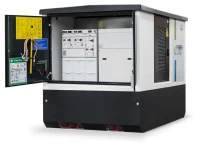
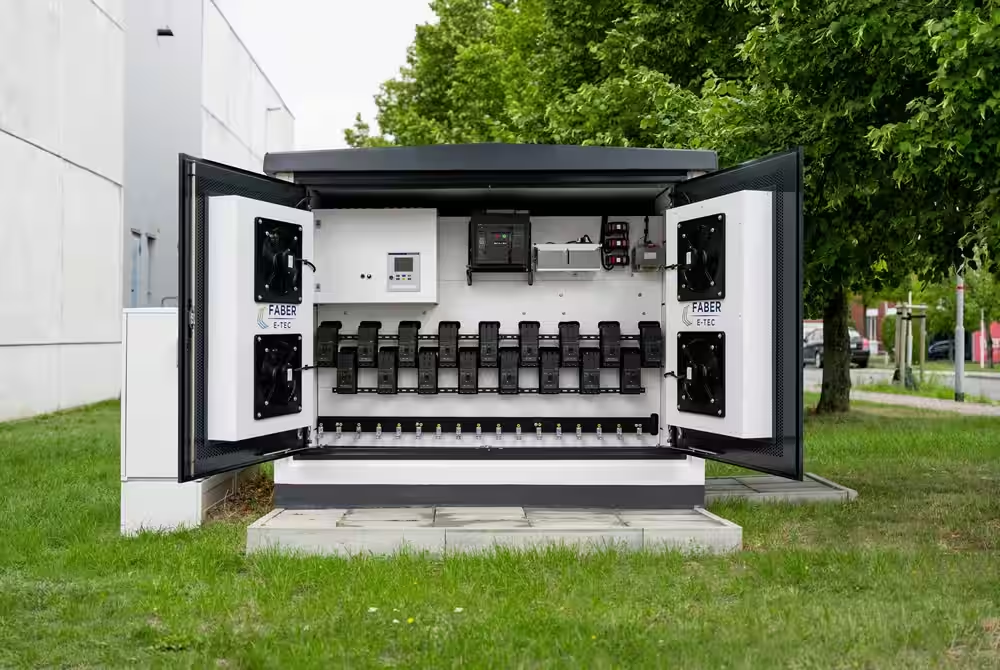
In operation, the station that can be read quickly wins. With a Solar park station Meißen This means clear labelling, logically structured fields, easily accessible components and service paths that also work after expansions. As a result, recurring inspections and maintenance are shorter because processes do not have to be reorganised each time.
The consistency of the protection concept is just as important. If protection functions match the field structure and are clearly documented, faults can be narrowed down in a targeted manner. This protects availability because only what is really necessary is switched off. Operators also benefit because reserves and limits remain visible in the system and decisions can be made more quickly
Plan expansion before the second step begins
Many PV projects grow in stages. Without a clear expansion path, the next expansion stage quickly becomes an intervention in the existing system, including additional tuning and downtime windows. Forward-looking planning for Meissen therefore determines at an early stage where later outlets are to be connected in a technically clean manner and how the measurement and protection logic are to run consistently.
Once these guard rails are in place, expansion becomes calculable. New services build on the existing structure instead of breaking it up. This brings calm to appointments and ensures that the station remains clear even after several expansion steps.
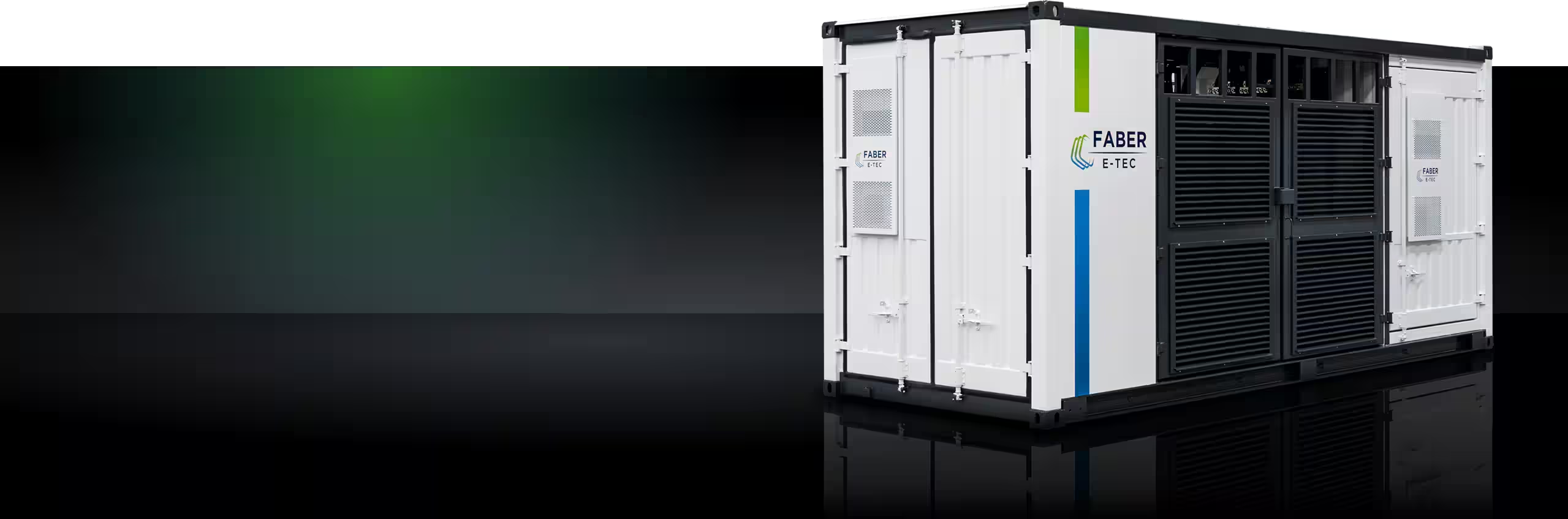
One Meißen transfer station must stand up to everyday use. This includes maintenance, recurring inspections, switching operations and technical adjustments. That's why a service-friendly design is crucial: practical access, accessible components and documentation that clearly depicts the actual station status.
When switching logic and protection technology work together harmoniously, operation becomes more controllable. Service calls can be prepared in a targeted manner, faults can be localised more quickly and expansions can be implemented step by step. This reduces unnecessary downtime windows and ensures that the medium-voltage side remains stable even during growth.
Reliable in continuous operation.
Designed for outdoor use
Customisable to project requirements.
For industry and infrastructure.
Stable and powerful.
Simply by crane.
Space-saving and efficient.
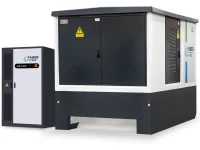
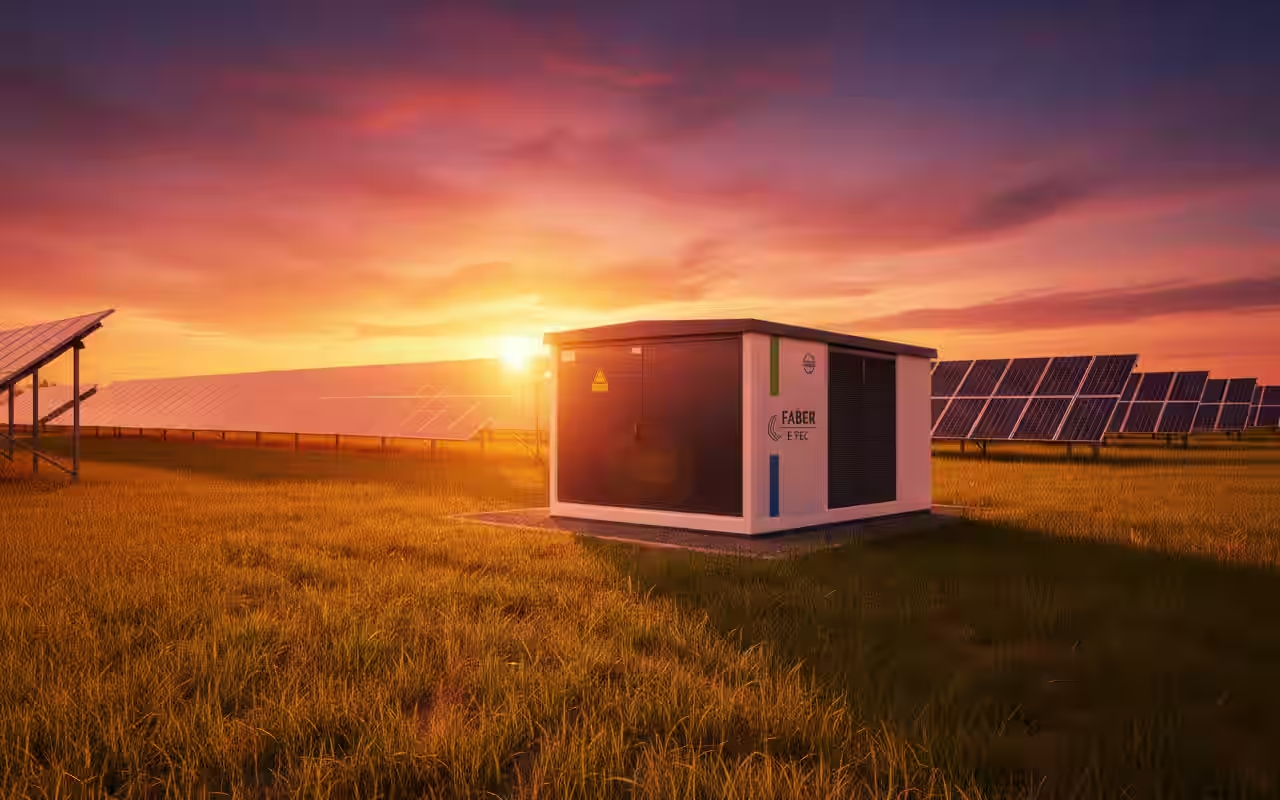
Faber E-Tec supplies the Meißen solar power plant for stable feed-in and medium voltage, cleanly prepared for expansion stages using its own production - transformer manufacturer from Germany.
Typical application situations for solar park stations in Meißen

Solar parks & ground-mounted PV systems

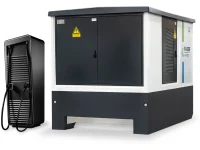
Charging infrastructure & electromobility

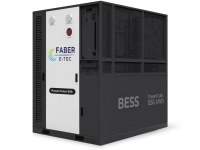
Battery Energy Storage Systems

Energy supply & municipal utilities

Agriculture & Agri-PV

Industry & Trade
Compact stations when space is limited and service access still counts
Compact solutions make sense when compactness is not at the expense of maintenance and accessibility. Good arrangement of components, neat cable routing and clear labelling ensure that service is not slowed down. Even when space is at a premium, internal organisation remains the decisive factor.
If the station remains structured, later outputs can be added without blocking service paths or making the switching logic confusing. This means that the solution remains manageable, even with gradual development.

Sensibly coordinate PV, storage and charging infrastructure in Meißen via medium voltage
As soon as storage or charging infrastructure become relevant on site, the dynamics increase. Feed-in, charging power and load peaks hit the medium-voltage side at the same time. This only becomes stable if the station logic and protection coordination map these operating states and priorities in the system remain clear.
Those who consider these issues as an overall system at an early stage reduce conflicting objectives in terms of performance design and protection technology. Expansions remain possible without every new element upsetting the existing system. The station remains comprehensible, even if the location can do more than just supply power.
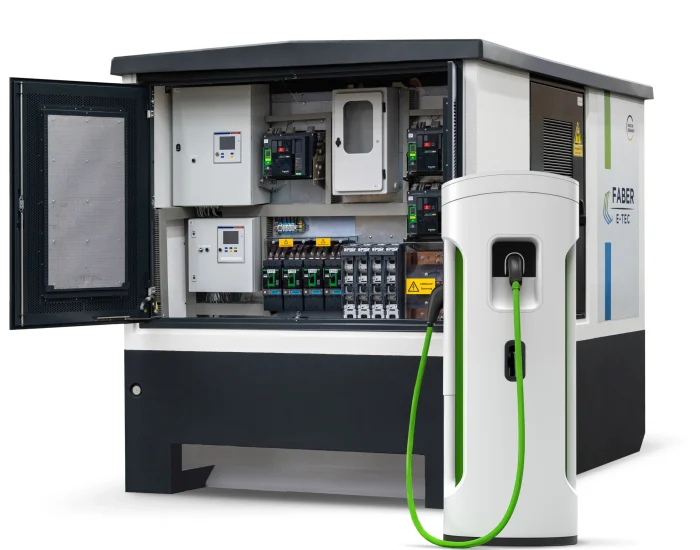
Solar park stations in Meißen with a clear feed-in structure and defined expansion path
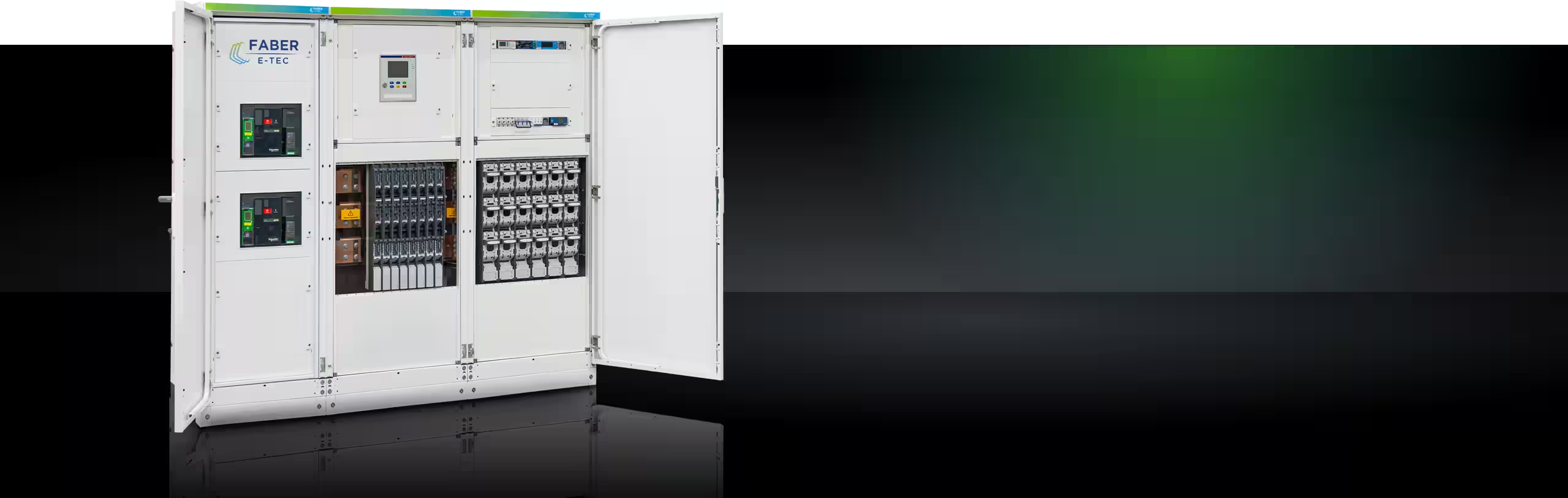
One Solar park station Meißen should reliably feed in power and enable subsequent power steps without every expansion becoming a conversion project. This is possible if the field logic and connection routing already provide for the next step and the protection concept and measurement are appropriate. The station then remains manageable in everyday use and continues to develop in an organised manner.
If this preparation is lacking, typical follow-up costs arise: additional coordination, reworking of existing installations and unnecessary interruptions to operations. With a prepared expansion path, the next step becomes calculable because the connection route and technical line are already defined.
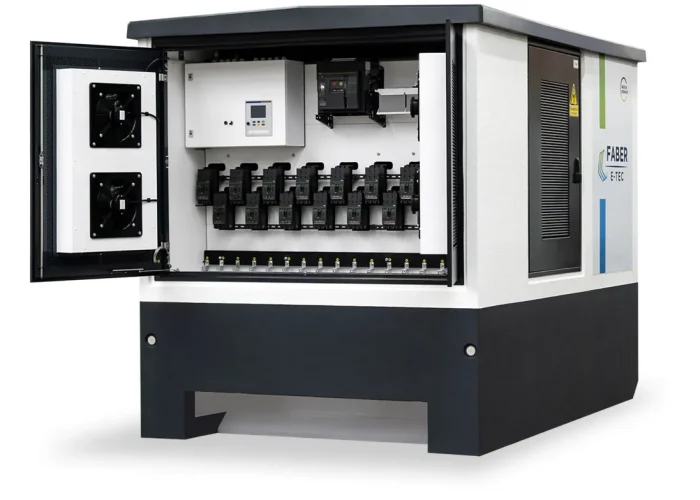
EPC solutions in Meißen with clear responsibility and clean handover
If planning, procurement, implementation and commissioning are managed in one line, interface risks are significantly reduced. Decisions become reliable earlier, checkpoints clearer and handovers cleaner. This reduces the coordination effort and ensures that the station starts operation without any unresolved issues.
Technical quality from Germany for permanently stable medium voltage
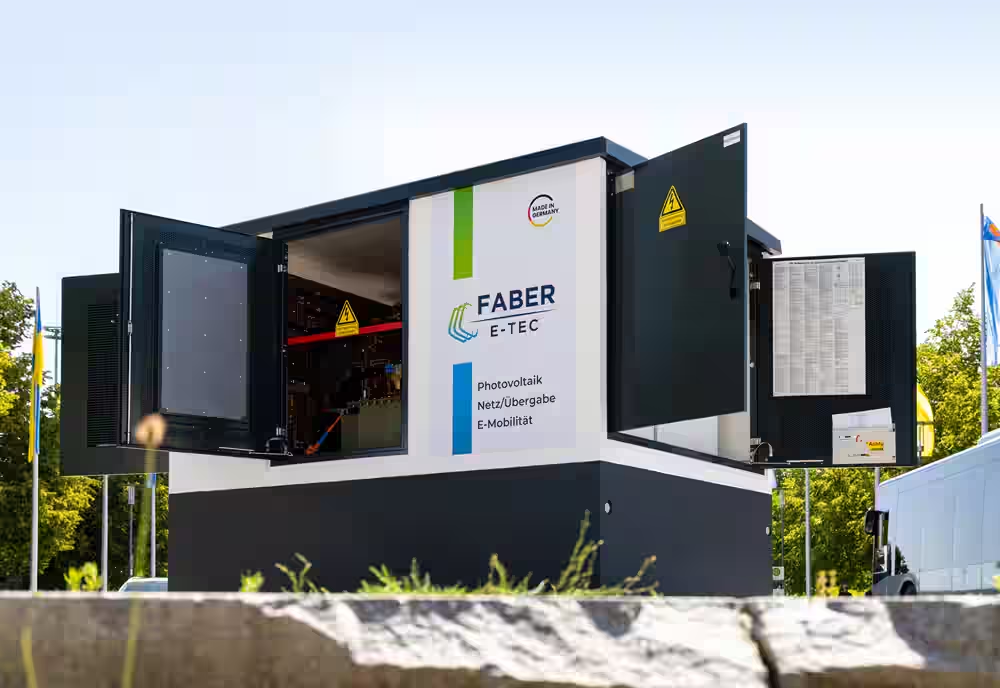
In the medium-voltage range, trust is created during operation. One Solar park station Meißen must be easy to understand, remain quickly accessible for servicing and function stably in the event of expansions. A clear structure, consistent protection logic and documents that reflect the actual structure make operation easier to plan and reduce risk.
Enquire about the Meißen solar park station and set up a technically sound project launch
Stable operation begins with a clean start. If the feed-in power, area, grid requirements and expansion targets are clear at an early stage, the Solar park station Meißen be planned precisely. This reduces queries, avoids subsequent corrections and creates a solution that remains stable even as it grows.
"*" indicates required fields
"*" indicates required fields
"*" indicates required fields
"*" indicates required fields
"*" indicates required fields
Frequently asked questions about the Meißen solar park station
What information is important for the initial planning of a solar park station?
The planned feed-in power, the available area, the desired voltage level and the planned expansion stage are important. In addition, information on the later development of the project helps to ensure that the station can be planned with a sensible reserve structure from the outset.
How can a solar park station remain technically manageable in the event of later expansion?
The decisive factor is a clear station logic instead of a pure initial design. If switch panels, protection technology and connection structure are properly prepared, additional power steps can be integrated in an organised manner. This keeps the system stable and makes subsequent conversions much easier.
Why is protection coordination so important for PV feed-in?
Because it determines how the station reacts in the event of a fault and how selectively protective functions work. Proper protection coordination improves availability, reduces consequential risks and helps to localise faults more quickly. This is a key factor for smooth system operation.
What are the real benefits of good documentation during operation?
It saves time and increases safety. Maintenance, troubleshooting and subsequent adjustments can be implemented much more efficiently if the protection parameters, switching logic and station structure are clearly documented. This is a major advantage, especially for growing projects.