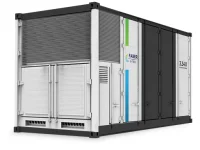
Background generated by AI
Solar park station Darmstadt for stable feed-in and a medium-voltage structure that can withstand growth
- Solar park station Darmstadt suitably planned for grid connection, feed-in and subsequent expansion stages
- Darmstadt medium-voltage substation with clear protection logic and sensible reserve in the station structure
- End-to-end project management with Faber E-Tec
- Made in Germany - standard-compliant & future-proof
One Solar Park Station Darmstadt is the technical connection between photovoltaic generation and the public grid. At the beginning, what counts is that feeding-in starts cleanly. Later on, what counts is that the site remains stable, even when output increases or additional components are added. Many systems continue to develop after commissioning. Areas are expanded, inverters are upgraded, and operational requirements change. If the medium voltage is designed only for the initial state, every subsequent step becomes unnecessarily complex.
This is not just about connection values, but about structure. A Medium-voltage station Darmstadt should be designed so that field allocation, connection routing, protection technology and documentation match one another. Spare capacity does not mean overdimensioning everything. Spare capacity means technically preparing the upgrade path so that extensions can be connected neatly and operations remain transparent.
If this foundation is right, everyday operations become noticeably simpler. Maintenance windows can be cleanly scheduled, service calls become more predictable, and performance upgrades can be implemented step by step without having to reorganise the substation each time. This creates a medium-voltage foundation that will sustain the site in the long term.
Clear station layout makes service faster and operations safer
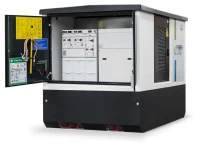
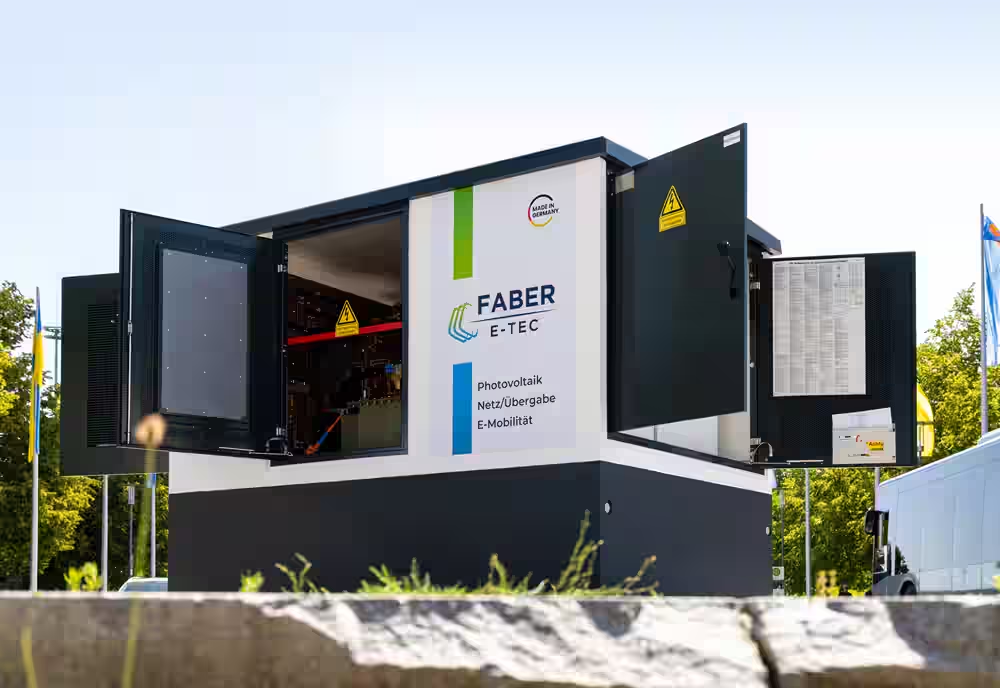
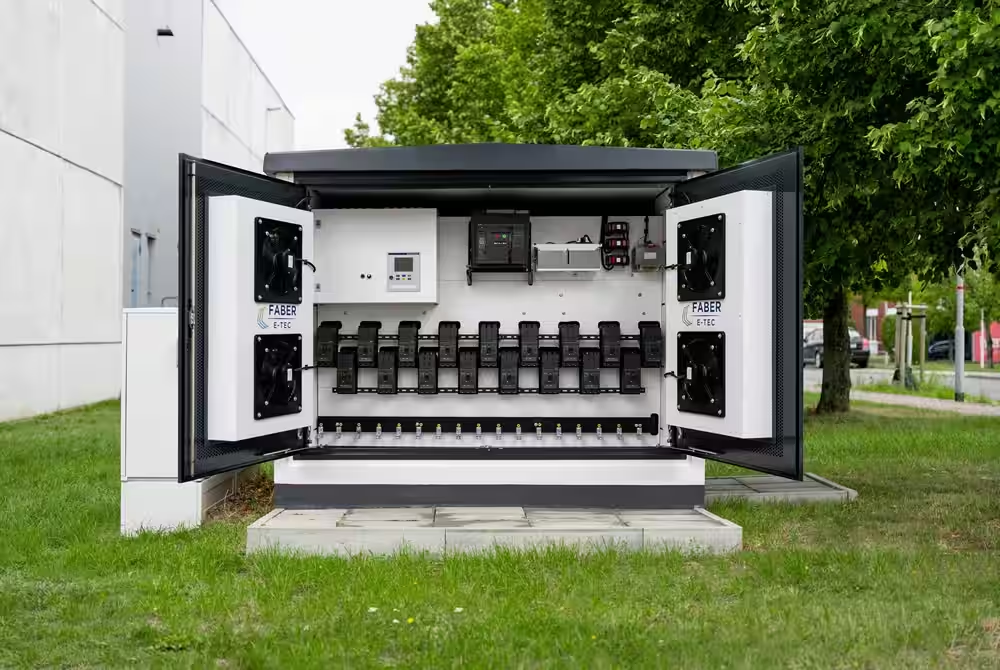
With a Solar Park Station Darmstadt internal layout determines later operational safety. A clear physical logic, good accessibility and clean labelling ensure that testing and maintenance are carried out in a structured manner. When protection logic and switching structure match, faults can be isolated more quickly and technical interventions become safer.
This has an especially strong effect when the site grows. Without a prepared expansion path, alterations to existing structures and additional downtime will occur. With sensibly planned reserves built into the structure, further performance increments can be integrated without constantly interrupting ongoing operations. This saves time, reduces follow-up costs and increases availability.
Organisationally, things will also become easier. Operations, service, and technical responsibility can make decisions more quickly because reserves, boundaries, and connection paths remain clearly recognisable.
Early technical line prevents later loops
Many delays occur at interfaces. Grid requirements, metering concepts, protection parameters, substation layouts and commissioning must align early on. If this baseline is only established late, queries, adjustments and schedule changes will follow.
For a Solar Park Station Darmstadt It is worth clarifying the key parameters early on: feed-in capacity, available area, realistic expansion stages and the way in which extensions will be connected later. Once these fundamentals are solidly established, approvals become more robust and the project flow becomes more predictable. At the same time, the substation does not start operation with unresolved issues, but with a structure that works in practice.
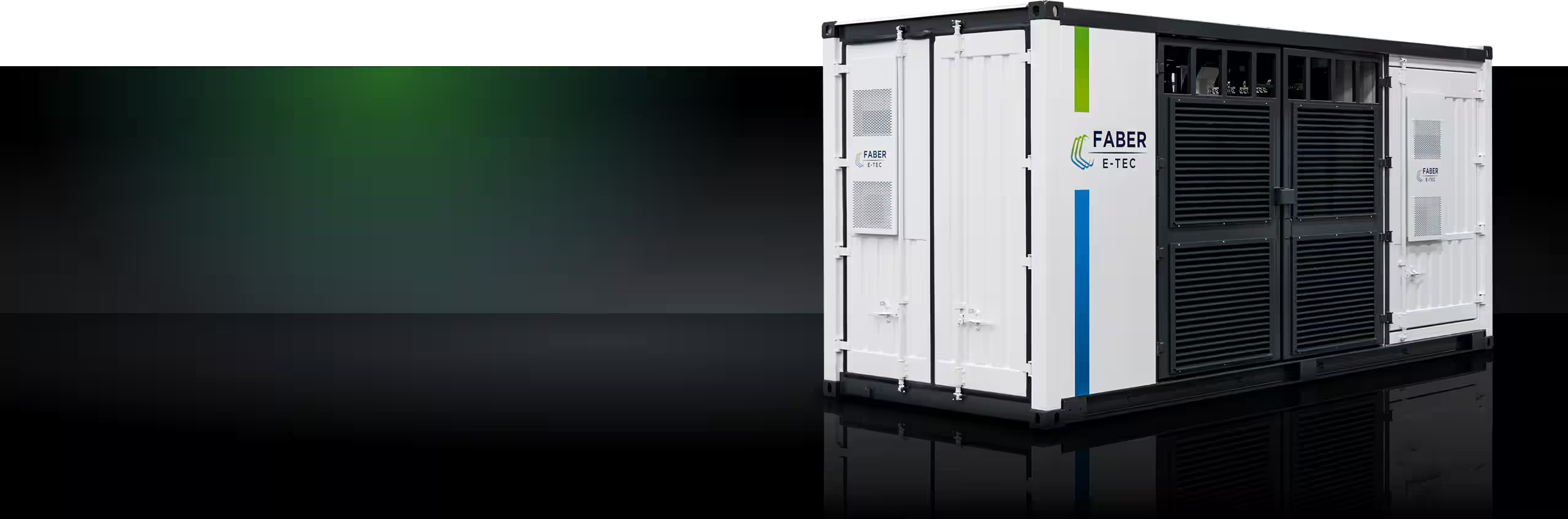
One Darmstadt transfer station must prove itself in everyday use. Maintenance intervals, inspections, load changes, and technical adjustments are part of this. A service-friendly design is therefore a prerequisite: practical access, reachable components, and documentation that clearly explains the actual design.
When protection technology and switching logic are properly harmonised, operation becomes more controllable. Service calls can be prepared in a targeted manner, faults can be localised more quickly and expansions can be implemented in stages. This reduces downtime risks and ensures that the medium-voltage side remains stable even during growth.
Reliable in continuous operation.
Designed for outdoor use
Customisable to project requirements.
For industry and infrastructure.
Stable and powerful.
Simply by crane.
Space-saving and efficient.
Faber E-Tec. Darmstadt solar power plant for stable feed-in and a medium-voltage structure that can withstand growth. Own production - transformer station manufacturer from Germany.
Solar Park Station Darmstadt | Medium Voltage Faber E-Tec
Application areas for solar farm stations in Darmstadt for feed-in, expansion and combined use


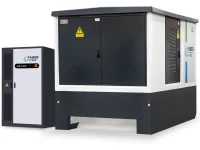
Compact stations when space is at a premium and tidiness is still a must
Compact solutions are strong when they remain logically organised despite the limited space. Good accessibility, clean cable routing and clear labelling ensure that maintenance is not complicated. This is a real advantage for locations with limited space, as operation and service are not slowed down.
For mixed use, for example with self-consumption or additional consumers, a compactly structured medium-voltage solution helps to organise energy flows. The aim is to create a station that remains clearly organised and does not become a bottleneck during operation.

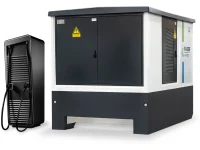
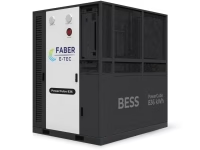
Clean coordination of photovoltaics, storage and e-mobility in one station logic
As soon as memory or E Mobility are added, the dynamics at the site change. Feed-in, charging power and load peaks hit the medium-voltage side at the same time. It is then crucial to have a station logic that coordinates these requirements properly instead of pushing individual components into the portfolio later on.
If this is planned together at an early stage, there are fewer conflicting objectives in terms of the design of services and the protection concept. Expansions remain possible in stages, the ward grows in a controlled manner and remains clearly organised.
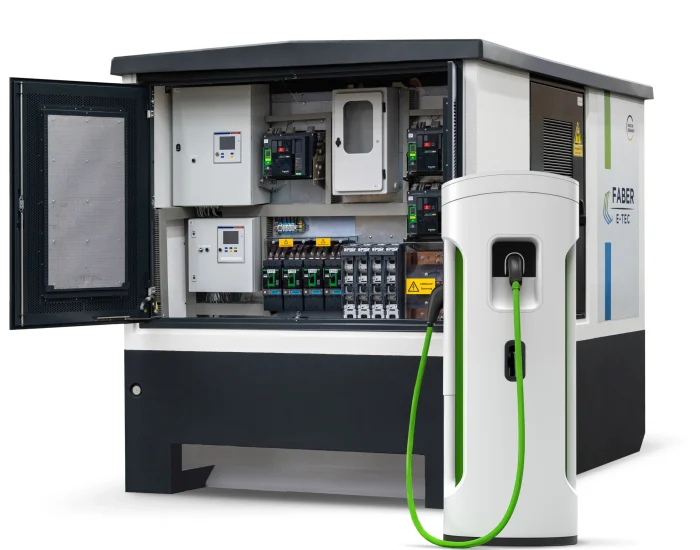
Solar park stations for Darmstadt with clear feed-in management and prepared expansion path
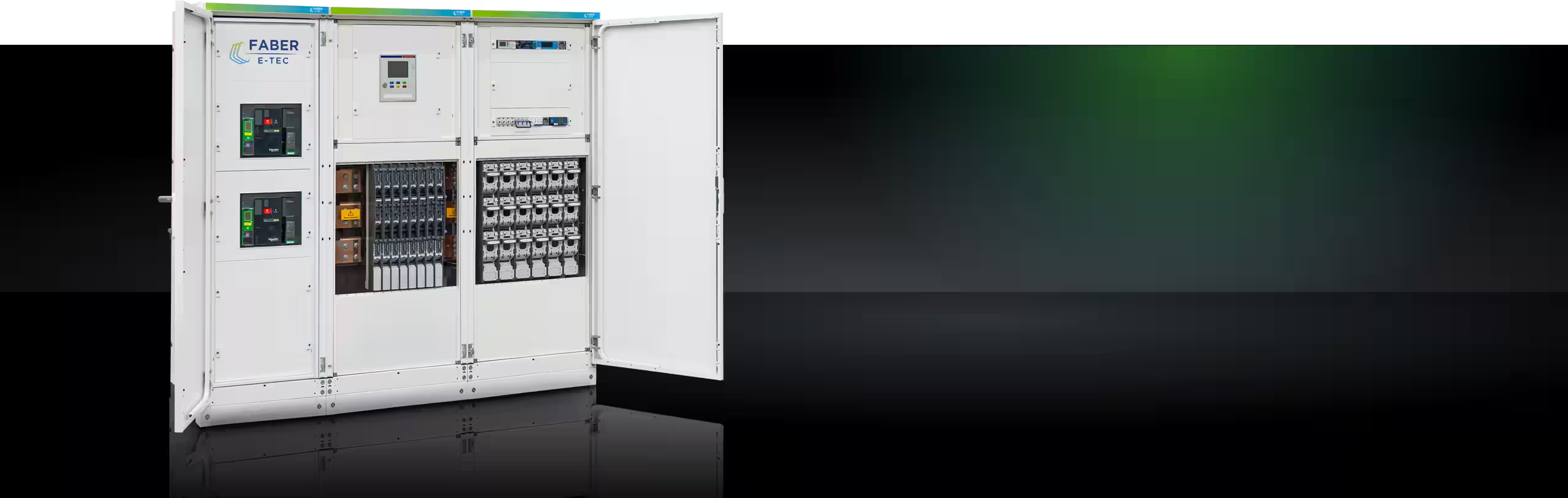
One Solar Park Station Darmstadt should provide a stable power supply and enable expansions without every adaptation becoming a conversion project. This is achieved with clear field logic, comprehensible connection routing and protection technology that not only maps the initial scope. In this way, the station remains comprehensible in everyday use and manageable in expansion stages.
Without a structure, typical follow-up costs arise: conversions in existing buildings, additional coordination and unnecessary downtime windows. With a sensibly planned reserve in the station structure, service steps can be added in an organised manner. Operators gain predictability and reduce risk.
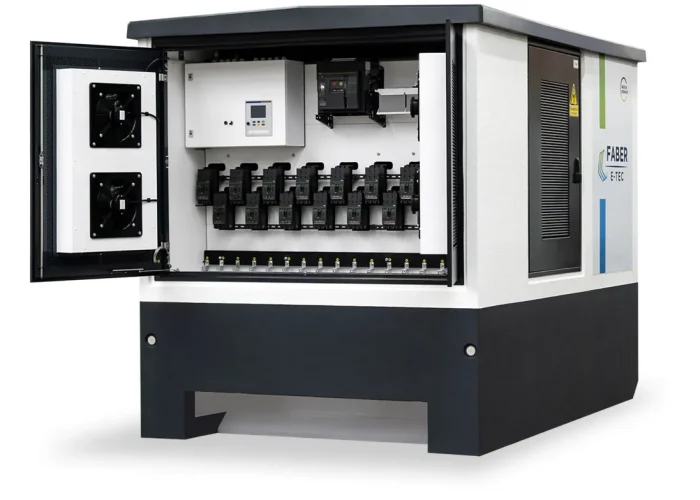
EPC solutions in Darmstadt with clear accountability and fewer interfaces
If planning, procurement, realisation and commissioning are managed in one line, interface risks are reduced. Decisions become reliable earlier, checkpoints clearer and handovers cleaner. For a Solar Park Station Darmstadt This means less coordination work and a handover that does not burden the company with unresolved issues.
Technical quality from Germany for long-term stable energy infrastructure
In the medium-voltage range, trust is based on suitability for everyday use. A Solar Park Station Darmstadt must be clearly structured, remain quickly accessible in the event of servicing and function stably in the event of expansions. A clear structure, clean protection logic and documents that reflect the reality of the station reduce risk and make operation easier to plan.
Enquire about Solarparkstation Darmstadt and cleanly structure the project launch
Smooth operation begins with a clean start. If the feed-in power, area, grid requirements and expansion targets are clear at an early stage, the Solar Park Station Darmstadt be planned precisely. This reduces queries, avoids subsequent corrections and creates a solution that remains stable even as it grows.
"*" indicates required fields
"*" indicates required fields
"*" indicates required fields
"*" indicates required fields
"*" indicates required fields
Frequently asked questions about the Darmstadt solar park station
What information is important for the initial planning of a solar park station?
The planned feed-in power, the available area, the desired voltage level and the planned expansion stage are important. In addition, information on the later development of the project helps to ensure that the station can be planned with a sensible reserve structure from the outset.
How can a solar park station remain technically manageable in the event of later expansion?
The decisive factor is a clear station logic instead of a pure initial design. If switch panels, protection technology and connection structure are properly prepared, additional power steps can be integrated in an organised manner. This keeps the system stable and makes subsequent conversions much easier.
Why is protection coordination so important for PV feed-in?
Because it determines how the station reacts in the event of a fault and how selectively protective functions work. Proper protection coordination improves availability, reduces consequential risks and helps to localise faults more quickly. This is a key factor for smooth system operation.
What are the real benefits of good documentation during operation?
It saves time and increases safety. Maintenance, troubleshooting and subsequent adjustments can be implemented much more efficiently if the protection parameters, switching logic and station structure are clearly documented. This is a major advantage, especially for growing projects.