Background generated by AI
Ludwigshafen solar park station Implementing feed-in safely and predictably
- Solar park stations for Ludwigshafen and the Rhineland-Palatinate region
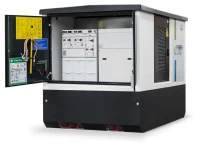
- Compact design with clear protection and switching structure
- End-to-end project management with Faber E-Tec
- Made in Germany - standard-compliant & future-proof
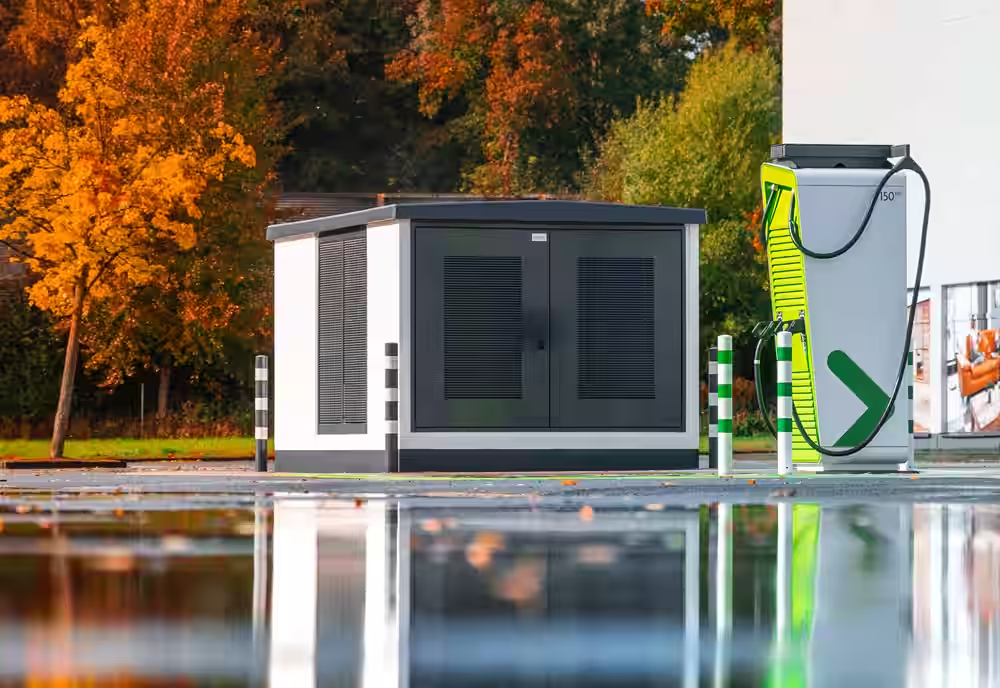
Ludwigshafen is a strong economic and industrial centre with a high demand for energy and growing requirements for a stable feed-in. For a solar project to work reliably, it needs a station that is technically coherent and does not cause any unnecessary delays in the project process. A Solar park station Ludwigshafen bundles Medium voltage, Transformer and Switchgear and creates a clear interface to the Network handover. The decisive factor is that the protection and switching logic match the power and the specifications and that the Documentation is structured in such a way that acceptance and commissioning run smoothly.
Faber E Tec realises solar park stations with a focus on clear interfaces, practical design and comprehensible documentation. This results in solutions that provide a stable feed-in, remain easy to maintain and reliably support project deadlines.
Solar park stations for Ludwigshafen when the grid transfer must be clearly defined
As soon as grid operators, project managers and construction partners work together, the grid handover becomes a crucial point. A solar park station must clearly map this handover so that tests, verifications and commissioning are possible without surprises. We make sure that switching paths remain comprehensible, that labelling is logically structured and that the Protection concept fits the system.
This makes the station a stable building block in the project and not an uncertainty factor.
Design that does not impede operation and expansion
A solar park station should not only work on the day it is handed over, but should also impress during subsequent operation. Maintenance access, clear operability and reserves for technical adjustments are important here. That's why we don't plan according to a blueprint, but base the design on the output, site conditions and feed-in requirements.
The result is a station that works stably, has a comprehensible structure and runs smoothly in the long term.
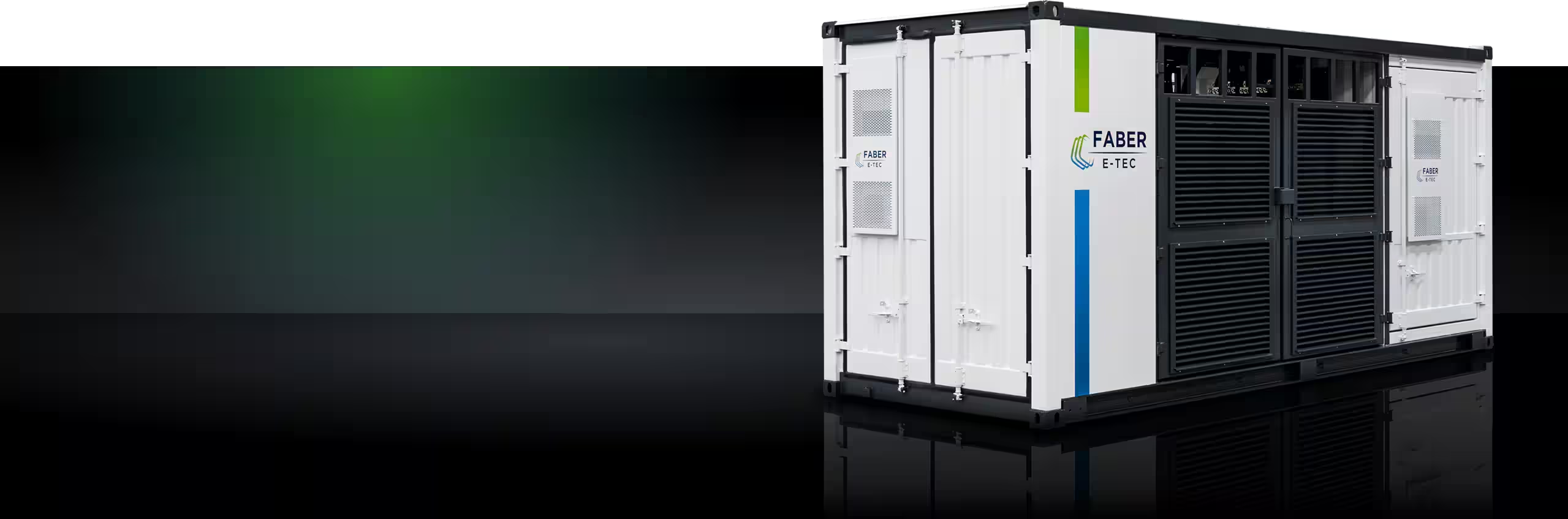
Quality is evident during acceptance, the first feed-in and during operation. That's why we rely on clean switching logic, clear grid transfer and a protection concept that works in everyday life. This also includes documentation that remains comprehensible and makes subsequent inspections and maintenance noticeably easier.
Especially when time frames are tight, a prepared solution counts. Structure and documents often determine the speed and security of the project.
Reliable in continuous operation.
Designed for outdoor use
Customisable to project requirements.
For industry and infrastructure.
Stable and powerful.
Simply by crane.
Space-saving and efficient.
Faber E-Tec. Solarpark station Ludwigshafen - secure and planable feed-in implementation. Own production - power substation manufacturer from Germany.
Solar Park Substation Ludwigshafen | Faber E-Tec


Solar park stations for Ludwigshafen Feed-in reliably realised
Solar park stations bundle transformation and grid transfer and are therefore a central component for every feed-in system. We pay attention to a clean technical line so that acceptance and commissioning are structured and the station functions stably during operation.

Compact stations for supplementary medium-voltage solutions in Ludwigshafen
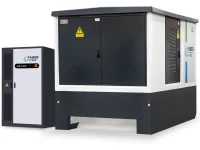
If space is at a premium or processes need to be organised particularly efficiently, compact stations are a suitable addition. Here too, the clear interface, a clean protection logic and a design that does not block subsequent adjustments remain important.
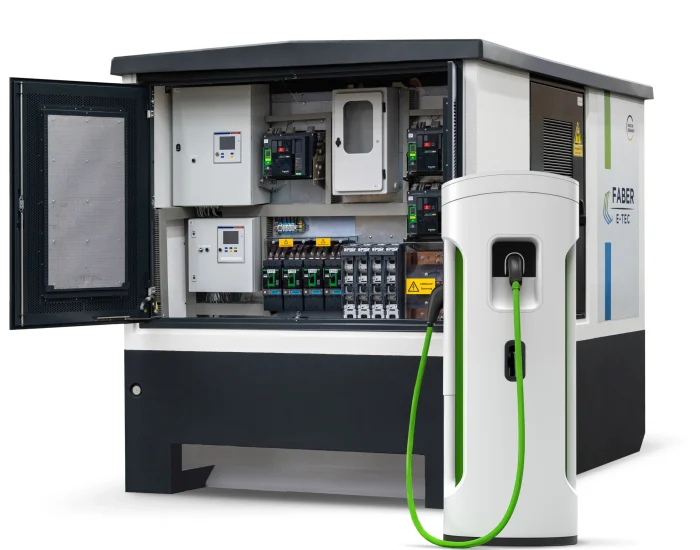
Stations for charging infrastructure in Ludwigshafen if performance is to grow predictably
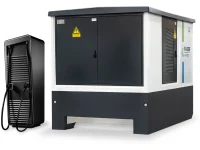
Charging infrastructure has similar requirements to feed-in projects. Power reserves, clear grid transfer and a comprehensible protection logic are crucial to ensure that expansion and operation function smoothly.
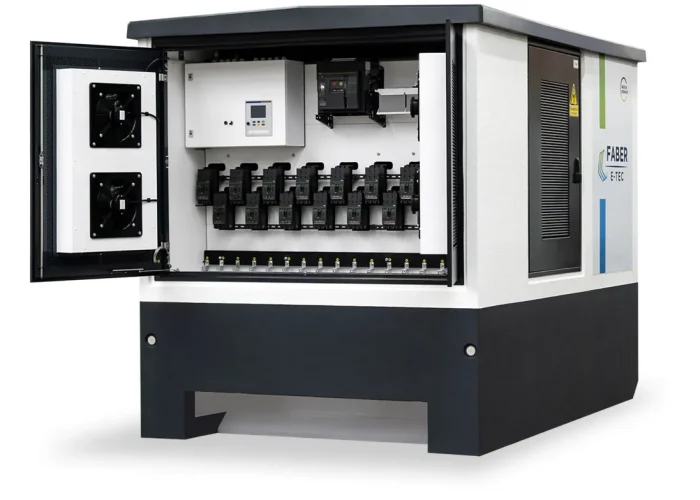
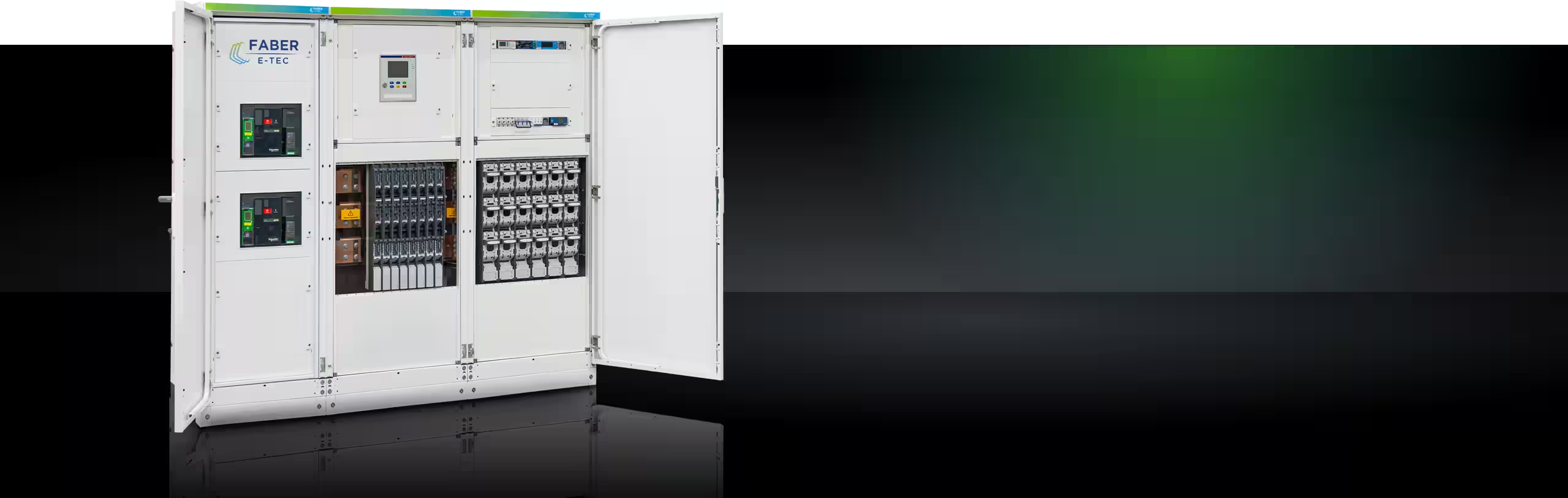
Planning, procurement and implementation for solar park stations in Ludwigshafen
When project coordination, technical planning and structured implementation are required in addition to the station, we provide support with clear steps and a clean handover. The aim is a process that reduces complexity and protects deadlines.
Technical quality from Germany for solar projects with high operational reliability
A solar park station must be stable in everyday use. That's why we pay attention to robust design, practical details and documentation that can still be understood later. For projects in Ludwigshafen, this means fewer queries, clearer approvals and a feed-in that works reliably.
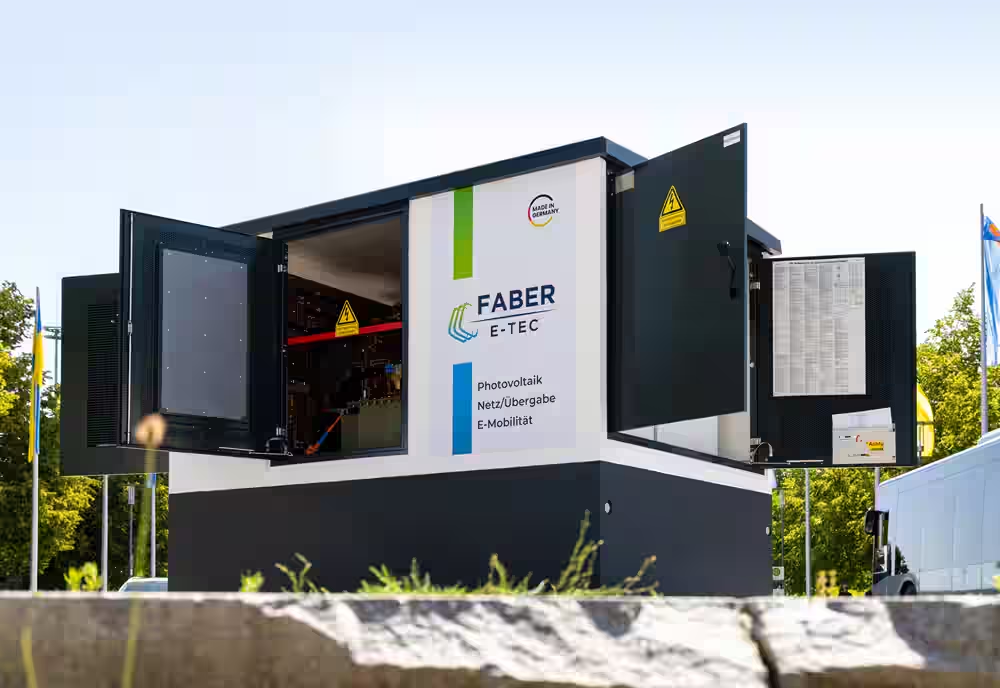
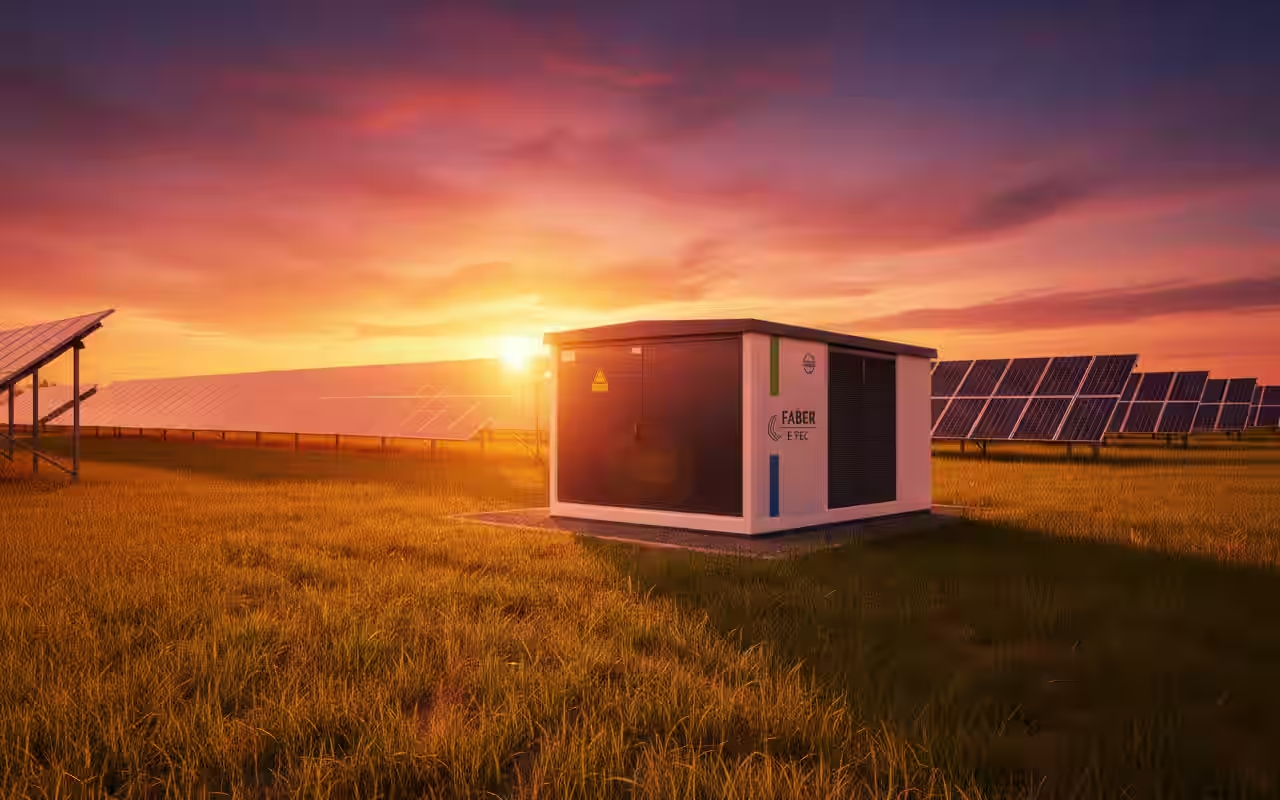
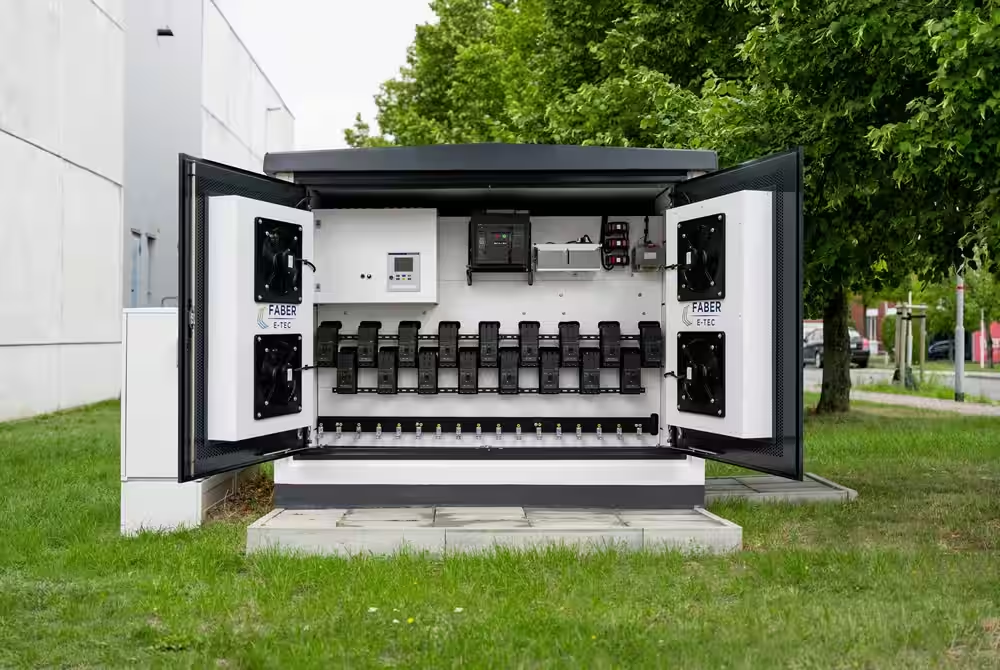
Request solar park station for Ludwigshafen
You are planning a project in Ludwigshafen or in Rhineland-Palatinate and need a solar park station for feed-in and grid transfer. Send us the most important key data on output, time frame and location requirements. We will get back to you with a clear assessment and suitable options.
"*" indicates required fields
"*" indicates required fields
"*" indicates required fields
"*" indicates required fields
"*" indicates required fields
Frequently asked questions about the solar park station in Ludwigshafen
What information is important for the initial planning of a solar park station?
The planned feed-in power, the available area, the desired voltage level and the planned expansion stage are important. In addition, information on the later development of the project helps to ensure that the station can be planned with a sensible reserve structure from the outset.
How can a solar park station remain technically manageable in the event of later expansion?
The decisive factor is a clear station logic instead of a pure initial design. If switch panels, protection technology and connection structure are properly prepared, additional power steps can be integrated in an organised manner. This keeps the system stable and makes subsequent conversions much easier.
Why is protection coordination so important for PV feed-in?
Because it determines how the station reacts in the event of a fault and how selectively protective functions work. Proper protection coordination improves availability, reduces consequential risks and helps to localise faults more quickly. This is a key factor for smooth system operation.
What are the real benefits of good documentation during operation?
It saves time and increases safety. Maintenance, troubleshooting and subsequent adjustments can be implemented much more efficiently if the protection parameters, switching logic and station structure are clearly documented. This is a major advantage, especially for growing projects.