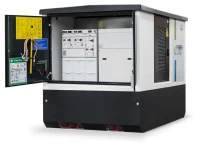
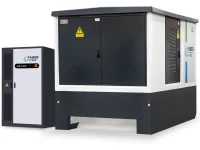
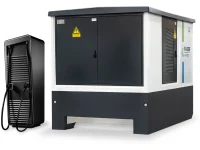
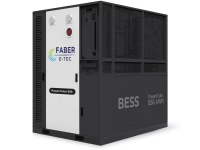
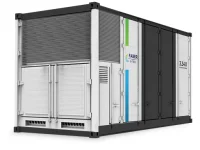
Reliable for solar parks of any size.
Compatible with all German medium-voltage networks, arc fault certified for nationwide use.
Faster implementation thanks to in-house production and semi-automated planning process.
Customised configuration of transformer power, voltage levels and balance circuits according to project requirements.
Transformer substation experts in North Rhine-Westphalia: Faber E-Tec for medium voltage that brings peace of mind during operation
- Substation experts NRW for design and implementation with a clear technical approach
- Compact design with clear protection and switching structure
- End-to-end project management with Faber E-Tec
- Made in Germany - standard-compliant & future-proof
Anyone implementing medium voltage in North Rhine-Westphalia needs more than just a substation on site. It is an infrastructure decision that must have an effect for years: in daily operations, during inspections, in the event of faults and for expansions. Precisely for this reason, the difference between „somehow connected“ and „technically soundly resolved“ is so vast. A transformer substation is the interface where the grid and the site meet. When this point is clearly structured, processes run more smoothly. When it is unclearly structured, it creates loops, queries and unnecessary periods of downtime.
When Substation experts in NRW thinks Faber E-Tec not only in kVA and voltage levels, but in operating scenarios. What happens when new consumers are added. What happens when the system grows in stages. What happens years later when protection functions still need to be selective. That requires structure. Field assignment, connection routing, metering, protection technology and documentation must form a technical line that can be understood immediately in the event of a service call.
In NRW, many project types come together: industry, logistics, municipalities, charging infrastructure, feed-in. The common denominator is almost always the same: time pressure and growth. Anyone who designs a substation solely for its initial state will pay for it later through redesigns of existing assets. Anyone who plans for structural reserve – meaning clear expansion points, sensible connection routes and a protection concept that also accounts for future states – remains capable of action.
Technical clarity so that inspections and servicing become plannable
In operation, what counts is whether you can „read“ a station. A well-planned transformer station in NRW has a switchgear structure that is logical and does not have to be guessed. Labelling is clear, components are accessible, and measurement points are neatly assigned. As a result, periodic tests take less time because procedures are repeatable. At the same time, the risk during interventions is reduced because the station dictates a clear order.
This becomes especially visible in the event of a fault. When protection functions match the field structure and operate selectively, an event remains small. It is isolated precisely where it is technically necessary. This protects availability and prevents minor fault patterns from affecting large areas. This is precisely where average performance separates from expertise.
Define expansion path in NRW early instead of losing out on the existing stock later
Many locations are growing. New halls, additional machinery, increasing charging capacity or an extra feed mean that medium voltage rarely remains static. Without a prepared expansion path, every extension becomes an intervention in the existing system, including coordination, shutdown and rework.
Expert planning therefore sets guardrails early on. Where should later outgoing circuits sensibly connect? How does the measurement consistently grow along with it? How does protection coordination remain stable, even when operating states change? If these points are cleanly resolved in the concept, expansion becomes predictable. New power builds on the existing structure instead of disrupting it.
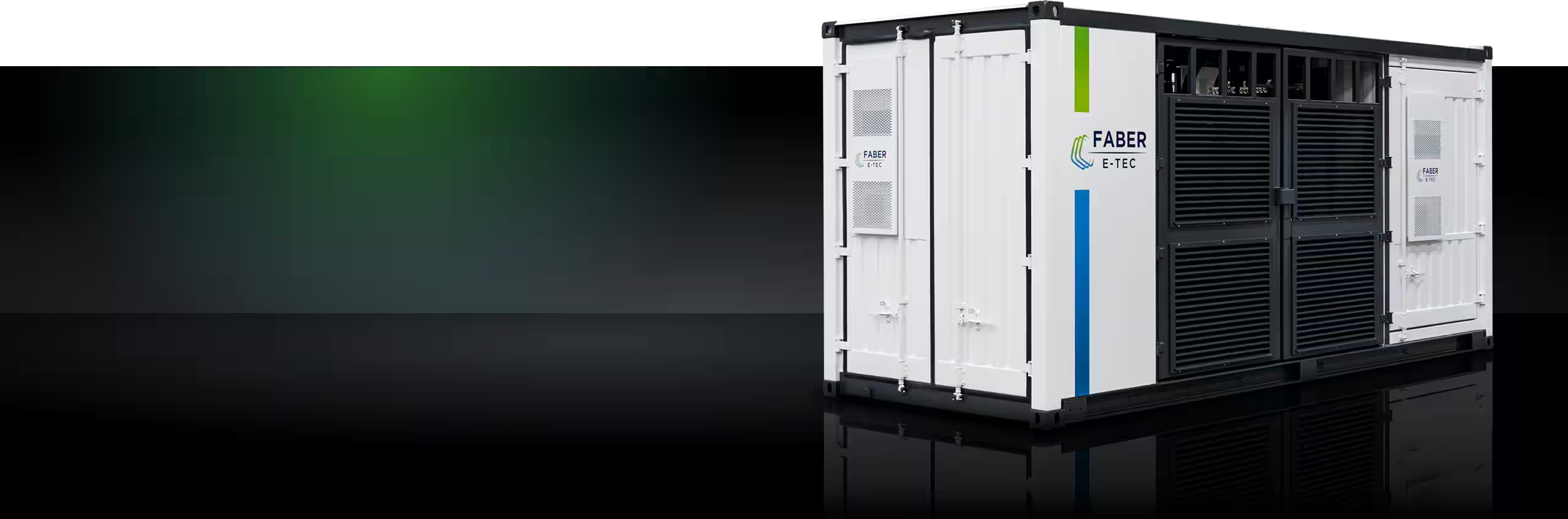
for the safe mounting and operation of transformer and switching technology.
A transformer substation is good when it does not become a question mark after acceptance. Everyday life consists of maintenance, testing, switching operations and occasional adjustments. This requires accessibility, clear bay allocation and documentation that reflects the actual setup. When documentation and reality match, decisions are made faster. When they diverge, every measure becomes more expensive.
Especially in NRW, where projects often run on tight timeframes, this is a real factor. Serviceability is not about comfort, but availability. Anyone who designs the station so that technology and process work together reduces downtime windows and keeps the system manageable in the long term.
Reliable in continuous operation.
Designed for outdoor use
Customisable to project requirements.
For industry and infrastructure.
Stable and powerful.
Simply by crane.
Space-saving and efficient.
Arc fault certified for use throughout Germany.
We take over the engineering and obtain approval from the responsible energy supply company
Use cases in NRW: industry, logistics, charging parks, feed-in and quarters

Solar parks & ground-mounted PV systems

Charging infrastructure & electromobility

Battery Energy Storage Systems

Energy supply & municipal utilities

Agriculture & Agri-PV
Powerful solutions for agri-PV systems throughout Germany.

Industry & Trade
Compact substations for North Rhine-Westphalia, when space is tight and order remains a must
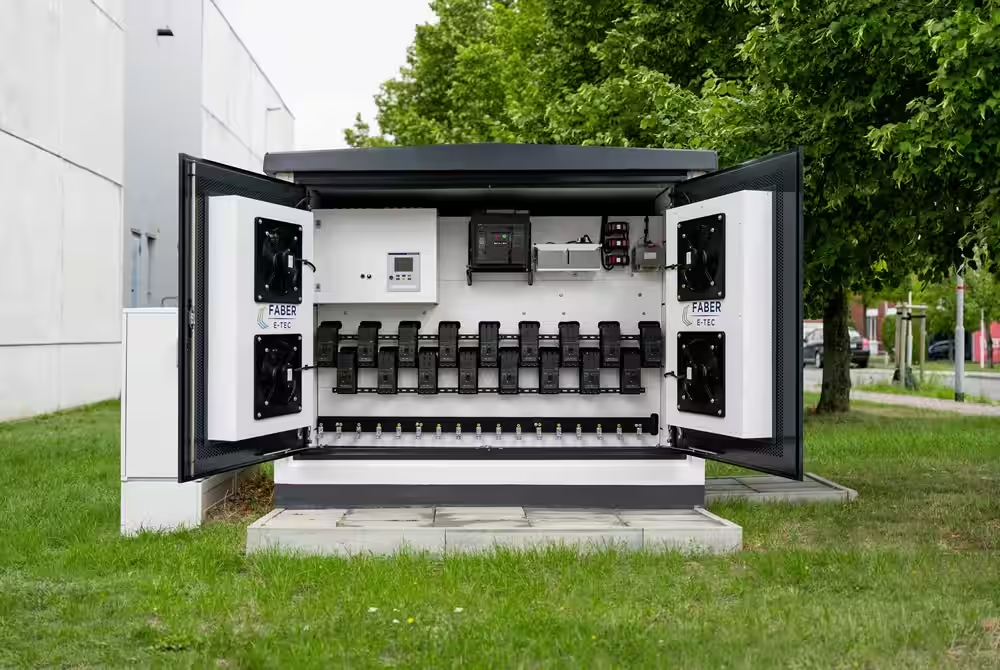
Compact doesn't mean narrow-minded, but space-saving yet structured. The crucial thing is that the internal logic is maintained: clear field allocation, neat cable routing, and sensible access points. This way, maintenance doesn't become fiddly and inspections remain predictable, even when space is limited.
It is also important to look ahead. If an additional outgoing feeder is needed later, this should be prepared technically. Structural reserve in the field logic is often more effective here than pure oversizing, because the expansion path remains clear and the existing installation does not have to be reorganised.

E-mobility and energy projects: enabling phased expansion
Charging infrastructure often grows faster than expected. It is a similar story with energy projects where capacity is added later or operating parameters change. A transformer station has to be able to keep up with this development. This requires prepared expansion points, connection paths that remain clear, and protection coordination that takes future states into account.
If these points are correct, additional capacity can be integrated in phases without having to reinvent the entire concept every time. This saves time, reduces downtime windows and keeps the site safe to operate.
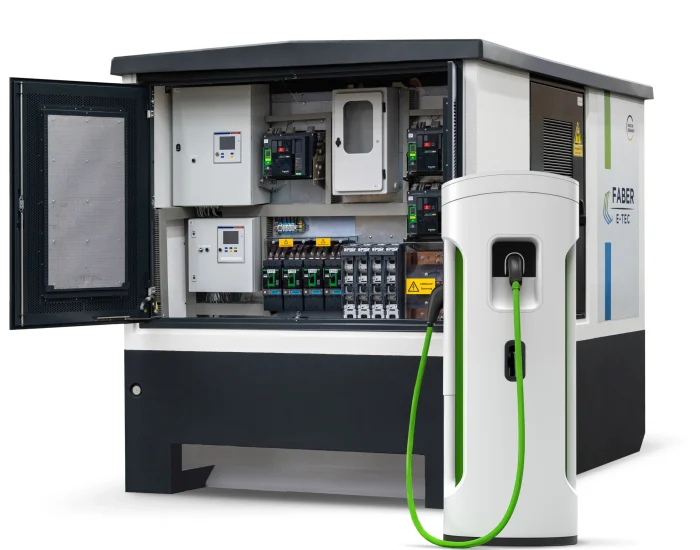
Industry and commerce in NRW: accurately mapping load profiles instead of just meeting kVA requirements
In industrial projects, the real load profile is what matters. Load peaks, coincidences, starting currents and planned expansions have a direct impact on the design and protection concept. Anyone who dimensions based on just a single figure risks erratic operation or expensive rework later on.
A clean solution takes the mode of operation into account and sets up protection, measurement and switching structures so that the site remains stable. The advantage is evident in everyday operations: fewer queries during inspections, clearer service procedures and controllable behavior in the event of a fault.
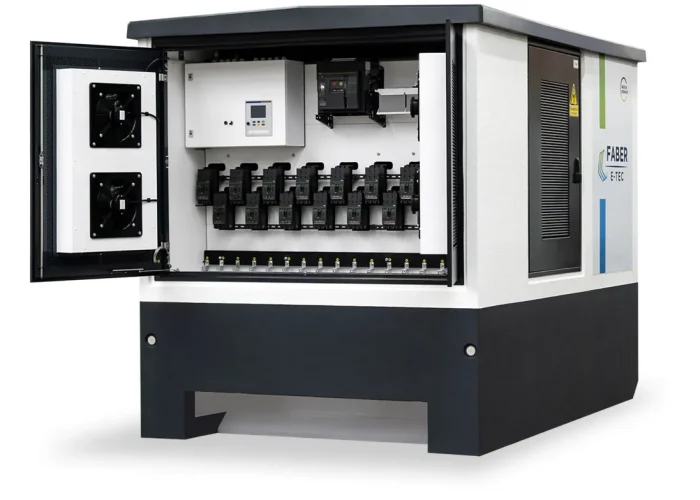
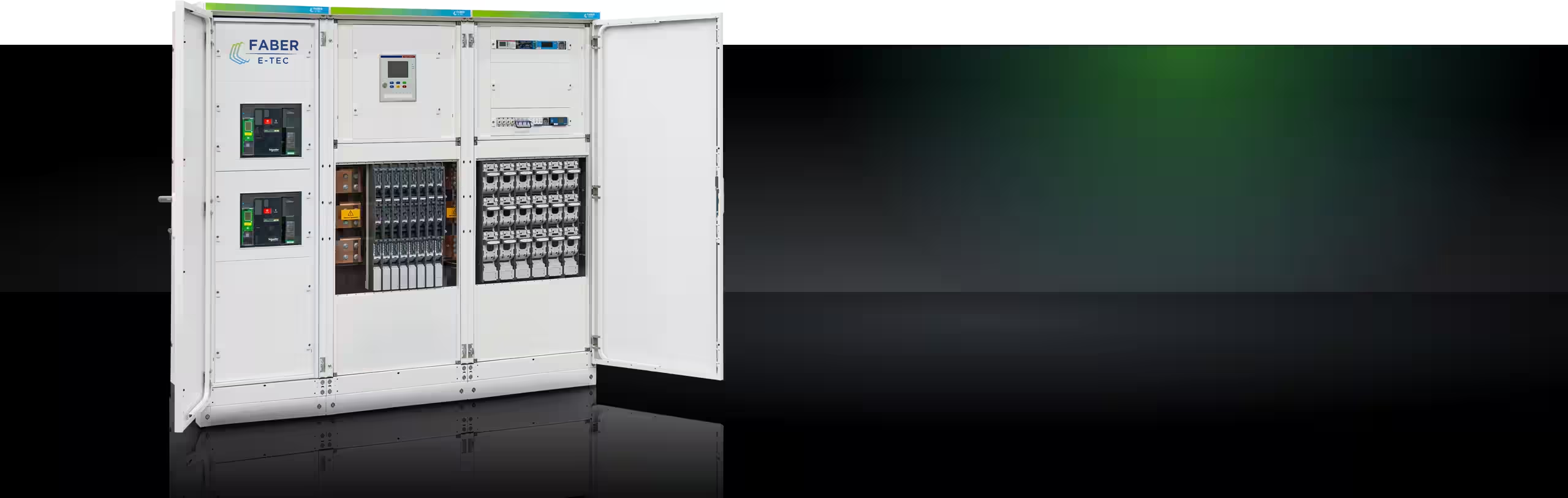
for safe and reliable power distribution in electrical installations.
EPC solutions in North Rhine-Westphalia with clear responsibility from planning to commissioning
When engineering, procurement, construction and commissioning are managed as a connected process, interface problems drop noticeably. Decisions become reliable earlier, inspection points clearer, documentation more consistent. For projects in North Rhine-Westphalia, this means fewer coordination loops and a handover that works in operation, not just on paper.
Technical quality from Germany for medium voltage in NRW with ambition
At medium voltage, trust is built in operation. A substation must have an understandable layout, remain quick to manage in the event of service, and function stably during expansions. Clear structure, consistent protection logic, and documentation that explains the actual setup are the factors that make the difference in the long term. This is precisely what the role as transformer substation experts in NRW is tailored to.
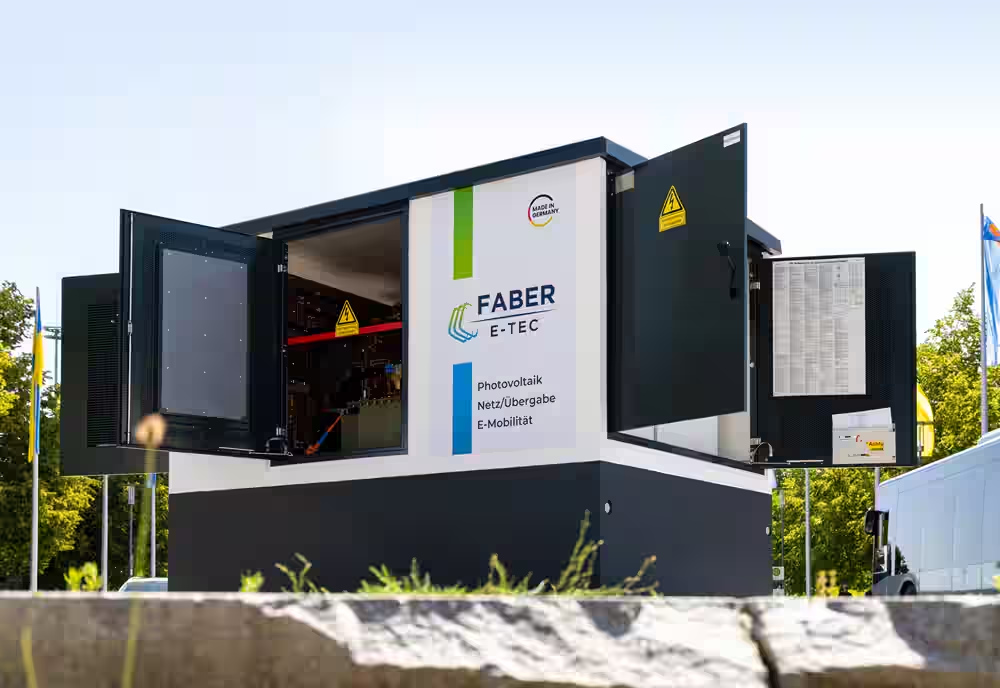
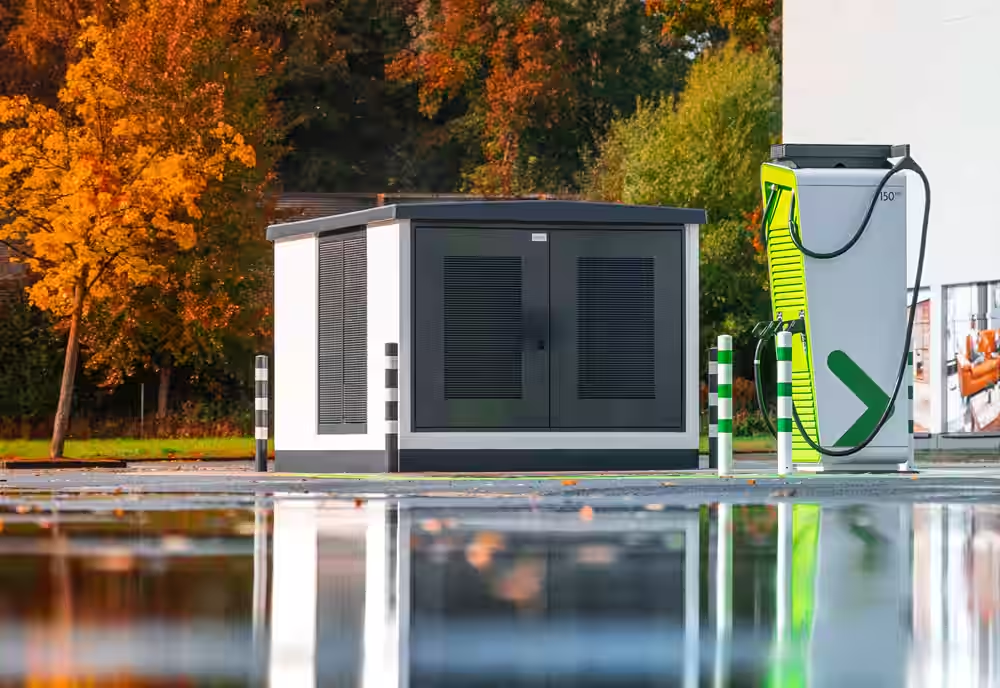
Transformer substation experts NRW: set up the project start cleanly from a technical perspective
A strong project start begins with clear specifications: required connected load, load profile, available area, grid connection point requirements, metering concept and planned expansion stages. If these points are neatly brought together early on, the substation can be planned precisely. This reduces queries, avoids later corrections and creates a solution that remains controllable even as growth occurs.
Compact station Request a quote
"*" indicates required fields
Order solar park station directly now
"*" indicates required fields
E-mobility made easy with us!
"*" indicates required fields
7200 KW Secure container offer
"*" indicates required fields
"*" indicates required fields
Frequently asked questions about transformer station experts in North Rhine-Westphalia
When a transformer compact station makes sense
When space is at a premium and a compact design makes assembly much easier
What information speeds up the initial assessment
Location Region, desired output, area of application, time frame and brief information on the grid connection
Why is grid handover so important
Because it defines the interface and noticeably simplifies acceptance and commissioning
What is the advantage of clean documentation?
It reduces queries, supports maintenance and makes subsequent expansions much easier