The energy transition in Germany has reached a critical phase. Moving away from purely abstract political targets towards massive, physical implementation on the ground. The transformation of the national energy supply is today primarily an infrastructure project. At the centre of this change is the energy infrastructure for photovoltaics, which goes far beyond the installation of modules on open spaces or industrial roofs. It is about the intelligent combination of generation, storage and feed-in.
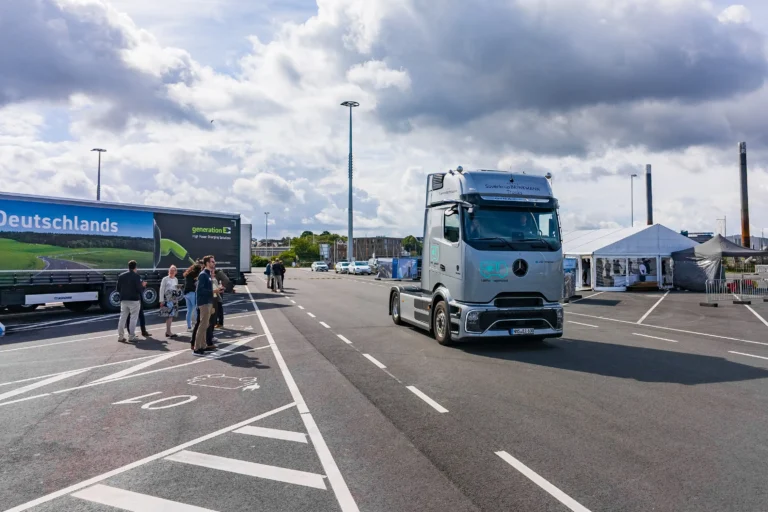
In a recent feature by the news channel WORLD the Faber Energy Group – and with it the expertise of Faber E-Tec GmbH – was presented as a pioneering example of this development. The article illustrates how the interplay between engineering, cutting-edge IT and traditional craftsmanship lays the foundation for a sustainable power supply.
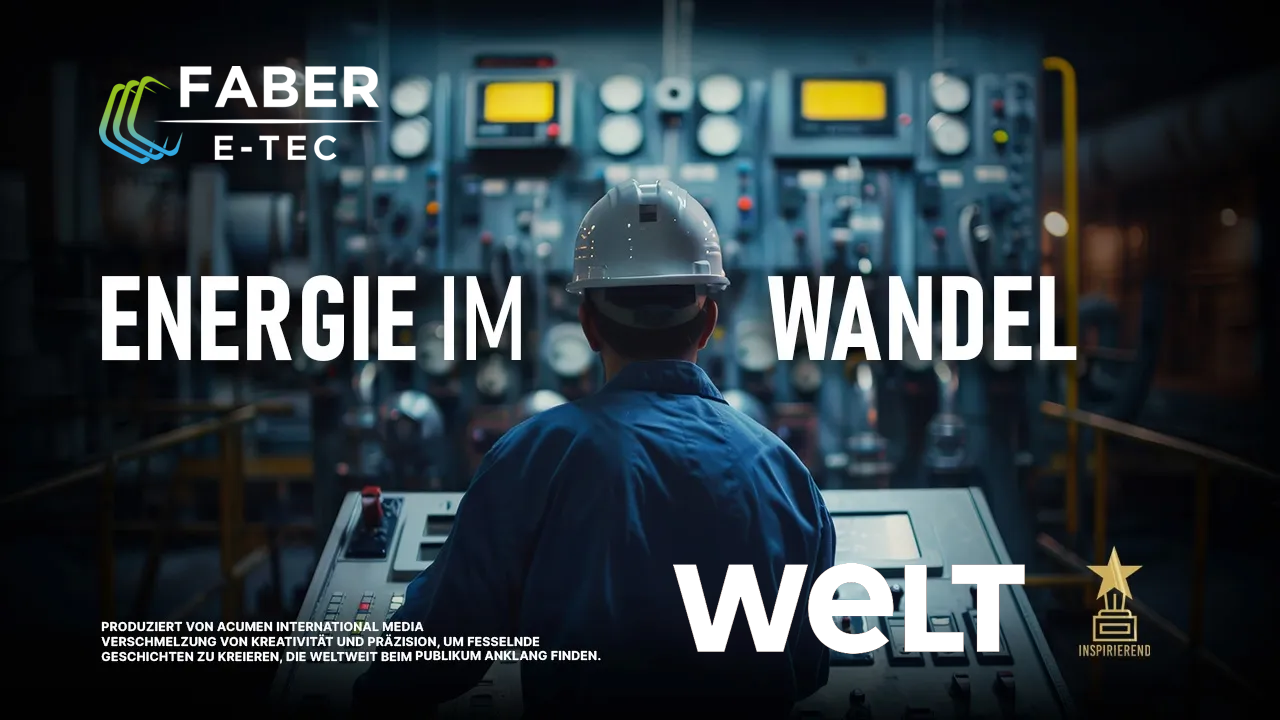
Table of Contents
Introduction: The energy transition as an infrastructural challenge
Faber Energy Group in WELT feature: Pioneering work in the solar sector
Medium-voltage engineering: The key to efficient grid integration
Artificial Intelligence and Trades: The Future of Electrical Engineering
Holistic solutions: From the transformer substation to the battery storage system
Faber Energy Group in WELT: Pioneering work in the field of solar energy
The expansion of solar energy is currently the most important driver of the German energy transition. With a share of over 60 % of newly installed electricity generation capacity from renewable sources, photovoltaics has become a cornerstone of the energy supply. Annual growth rates of around 20 % in the sector underscore its dynamism.
However, the sheer volume of solar energy systems is posing challenges for the German power grid. The grid integration of renewable energies requires companies that not only supply components, but also understand complex systems. As an owner-managed family business, the Faber Energy Group combines precisely these worlds. Whilst Faber Solartechnik focuses on the installation of the systems, Faber E-Tec provides the necessary electrical infrastructure to feed the generated electricity safely and efficiently into the grids.

What is an all-in-one EPC in the photovoltaic sector?
Featured Snippet: All-in-One EPC explained
An all-in-one solar EPC (Engineering, Procurement, Construction) handles the entire value chain of an energy project from a single source. This encompasses the technical design, the procurement of all components, the construction of the plant, and the complex grid integration, including medium-voltage technology. This holistic approach minimises interface losses, accelerates project timelines and ensures seamless commissioning for investors and industrial clients.
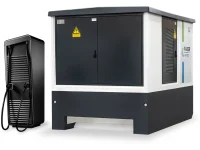
Transformer compact station - Fast delivery!
Medium-voltage engineering: The key to efficient grid integration
A central aspect highlighted in the WELT article is the technical superiority of modern grid feed-in concepts. For large photovoltaic projects, a conventional low-voltage connection is often no longer sufficient. This is where Faber E-Tec's expertise in the field of Medium-voltage engineering for PV a.
By using medium-voltage systems, solar power can be transported over longer distances with significantly lower energy losses. This is particularly crucial for decentralised solar farms in rural regions in order to increase transmission capacity and efficiently relieve the burden on local grids. According to the Federal Network Agency is coordinated grid expansion and intelligent injection at the medium-voltage level a fundamental prerequisite for achieving the 2030 climate targets.
We at Faber E-Tec develop for this purpose holistic energy infrastructure solutions, which are tailored precisely to the requirements of the respective site. This includes not only the technical design, but also compliance with strict standards, such as those required by the VDE be defined.
Artificial Intelligence and Trades: The Future of Electrical Engineering
A highlight of the company portrait in WELT is the use of innovative technologies within Faber E-Tec. In an industry that is traditionally heavily characterised by craftsmanship, we consistently focus on digitalisation. We use artificial intelligence (AI) to automate processes and increase the cost-effectiveness of projects.
AI supports us in the following areas, among others:
Automated planning: Accelerating the electrotechnical design of complex infrastructures.
Process optimisation More efficient resource planning in the construction of large-scale projects.
Cost-benefit analyses: More precise forecasts regarding the performance of installed systems by incorporating weather data and grid loads.
Holistic solutions: From the transformer substation to the battery storage system
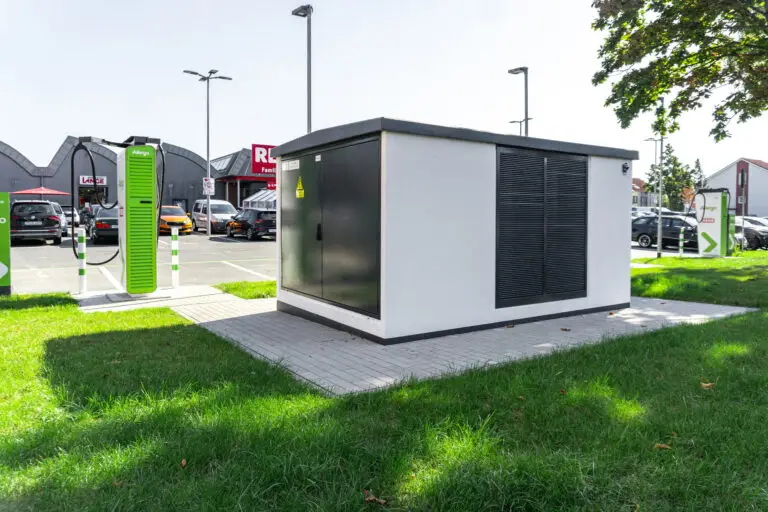
To reduce dependence on global supply chains and increase flexibility, the Faber Energy Group manufactures central infrastructure components in-house. This gives us control over quality and delivery dates – an invaluable advantage for our customers in times of volatile markets.
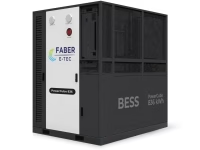
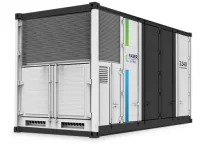
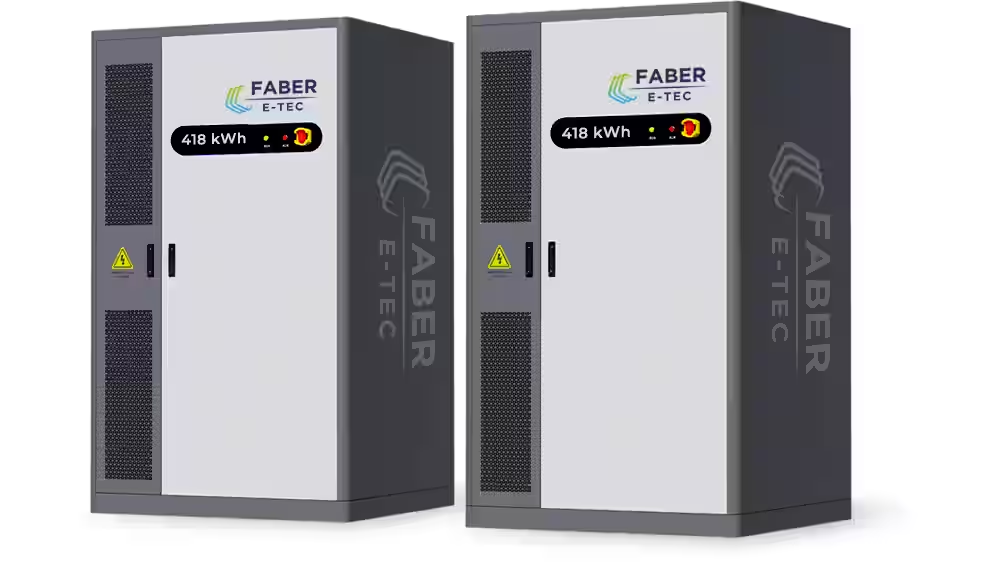
Alongside traditional grid integration, the topic of energy storage is gaining massive importance. The fluctuating generation of solar power requires high-performance battery energy storage systems (BESS). These systems buffer peak loads and ensure that the energy infrastructure for photovoltaics also contributes to the stability of the overall system at night or when it is cloudy. The BDEW regularly emphasises that storage provides the necessary flexibility to guarantee the resilience of our energy supply.
Faber E-Tec offers modular concepts here that can be used by industry through to energy suppliers. Our goal is to optimise self-consumption while simultaneously enabling attractive revenue through grid services.
Conclusion: Security of supply through technical excellence
The article on WELT has shown: the energy transition is not a utopia, but a real, technical process driven by courage and innovation. The Faber Energy Group acts as a bridge builder between the traditional energy world and the digital, renewable future.
With Faber E-Tec as a partner, companies not only secure a grid connection, but also a future-proof infrastructure designed for durability and efficiency. Whether medium voltage, AI integration or self-sufficient storage solutions – we support you from the initial sketch to the final acceptance.
Are you planning a renewable energy project or do you need to modernise your existing infrastructure? Use our expertise and arrange a Initial consultation for your energy project. Together, we are shaping Germany's solar future.

FAQ: Frequently Asked Questions
Why is medium voltage important for large-scale photovoltaic systems?
Medium voltage (usually 10 to 30 kV) makes it possible to feed large amounts of power into the public grid with minimal losses. From a certain system size (often from 135 kWp in accordance with VDE-AR-N 4110), a connection to the medium-voltage level is technically sensible or even regulatory required to ensure grid stability.
What distinguishes Faber E-Tec from traditional electrical contractors?
Faber E-Tec specialises in the interface between power generation plant and the electricity grid. As part of an all-in-one EPC provider, we deliver turnkey solutions including our own manufacturing of substations and AI-supported planning, which significantly shortens project duration and reduces technical complexity for the customer.
What role do battery energy storage systems (BESS) play in modern energy infrastructure?
Battery storage systems act as a buffer for the fluctuating feed-in of renewable energies. They enable so-called „peak shaving“, improve the self-consumption rate of industrial companies and offer the grid operator system services for frequency maintenance.